Everyday cooking
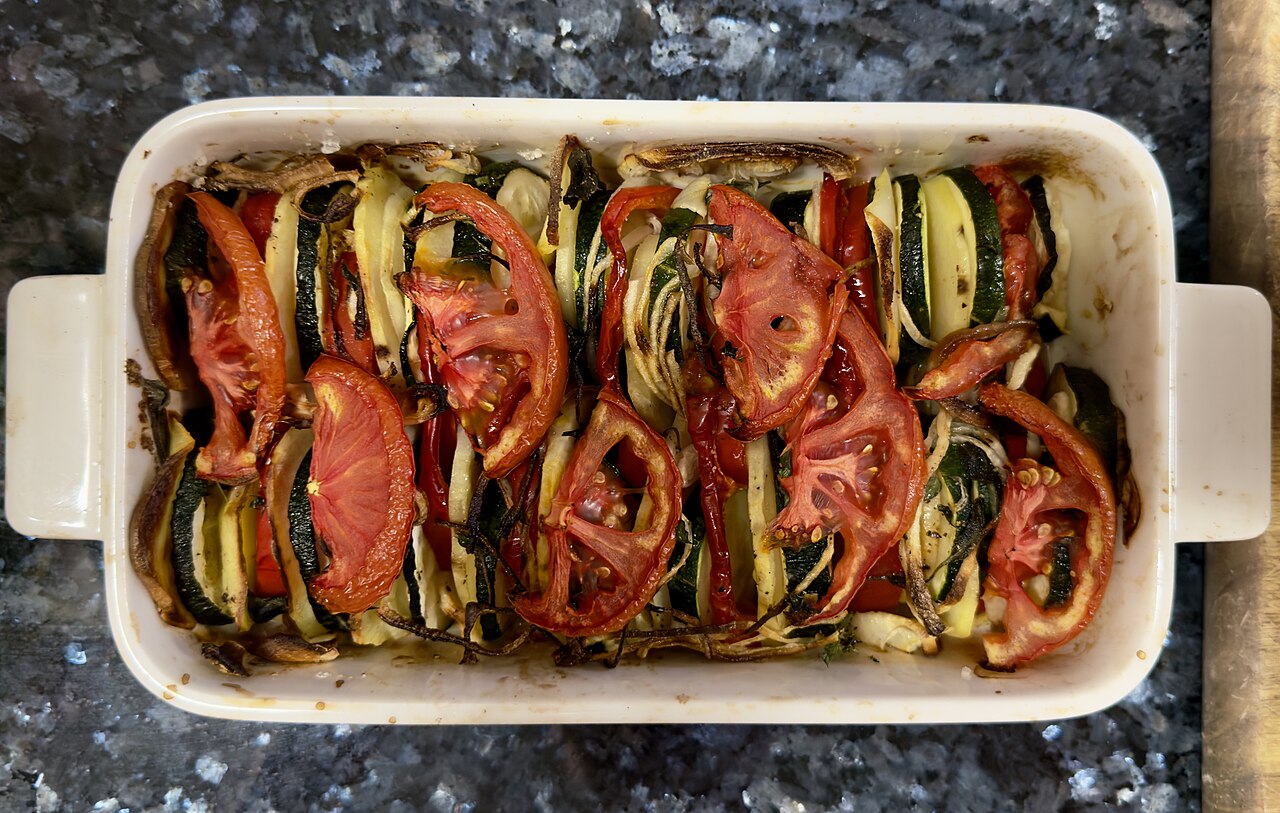
Layered roast vegetables with potatoes
Thin potato slices bake with courgettes, peppers, tomatoes, onion and garlic in a shallow dish.
No matches. Try another word or topic.
Thin potato slices bake with courgettes, peppers, tomatoes, onion and garlic in a shallow dish.
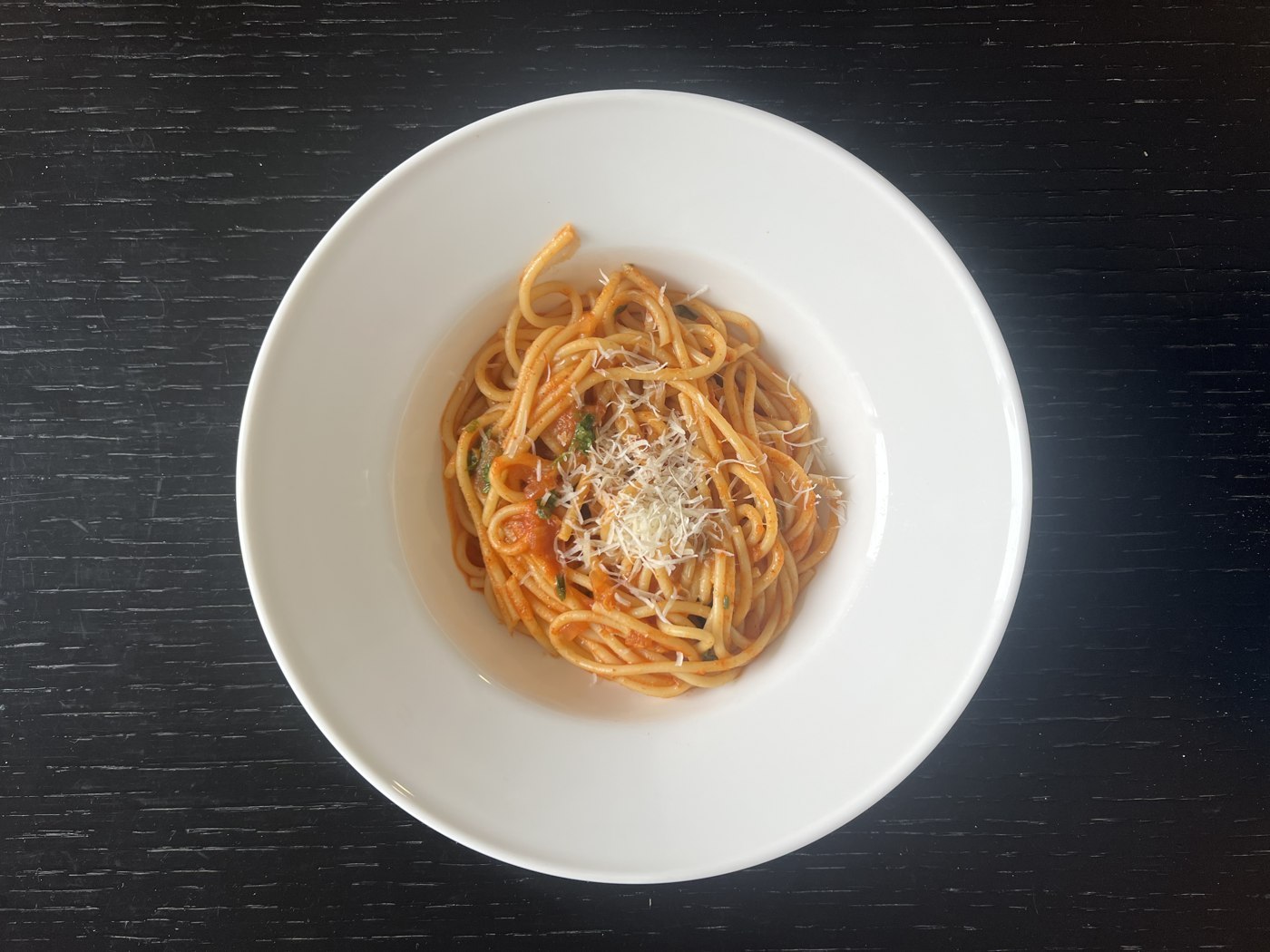
A reduced tomato and garlic sauce coats freshly cooked spaghetti.
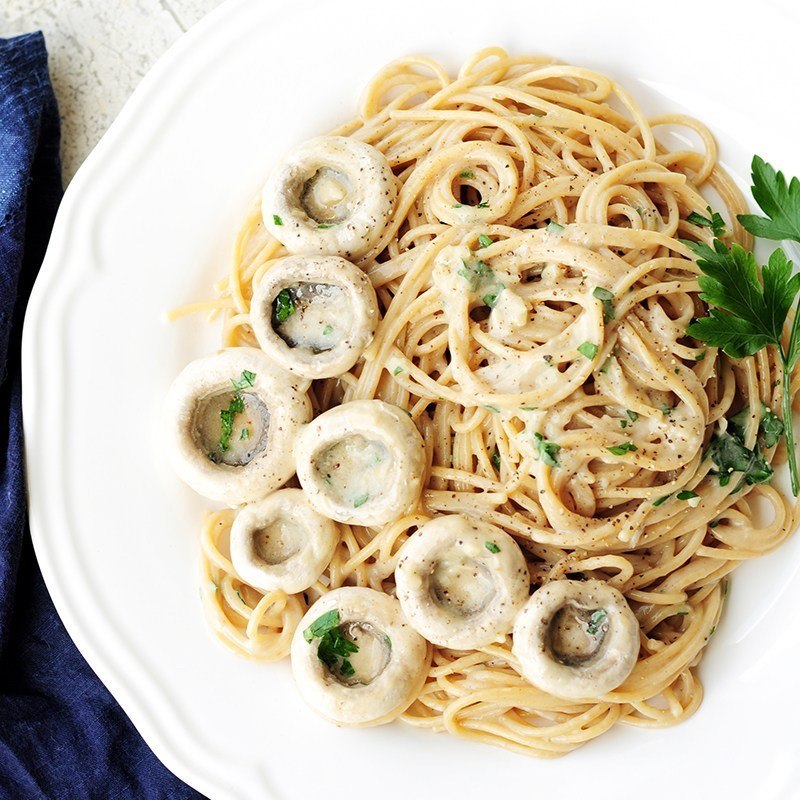
Browned mushrooms and a modest amount of cream make a silky pasta sauce.
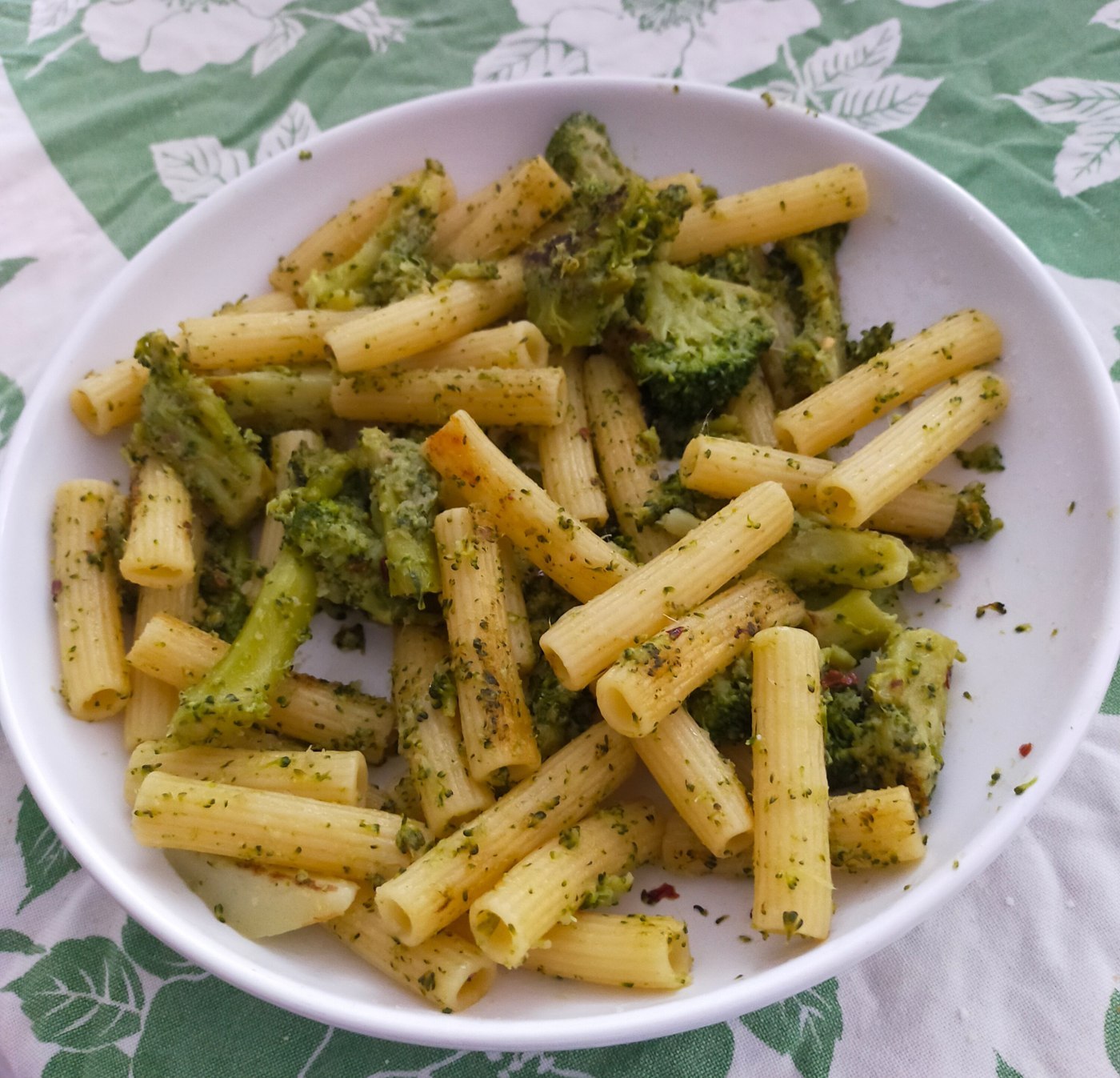
Some of the broccoli is crushed to make a green sauce around short pasta shapes.
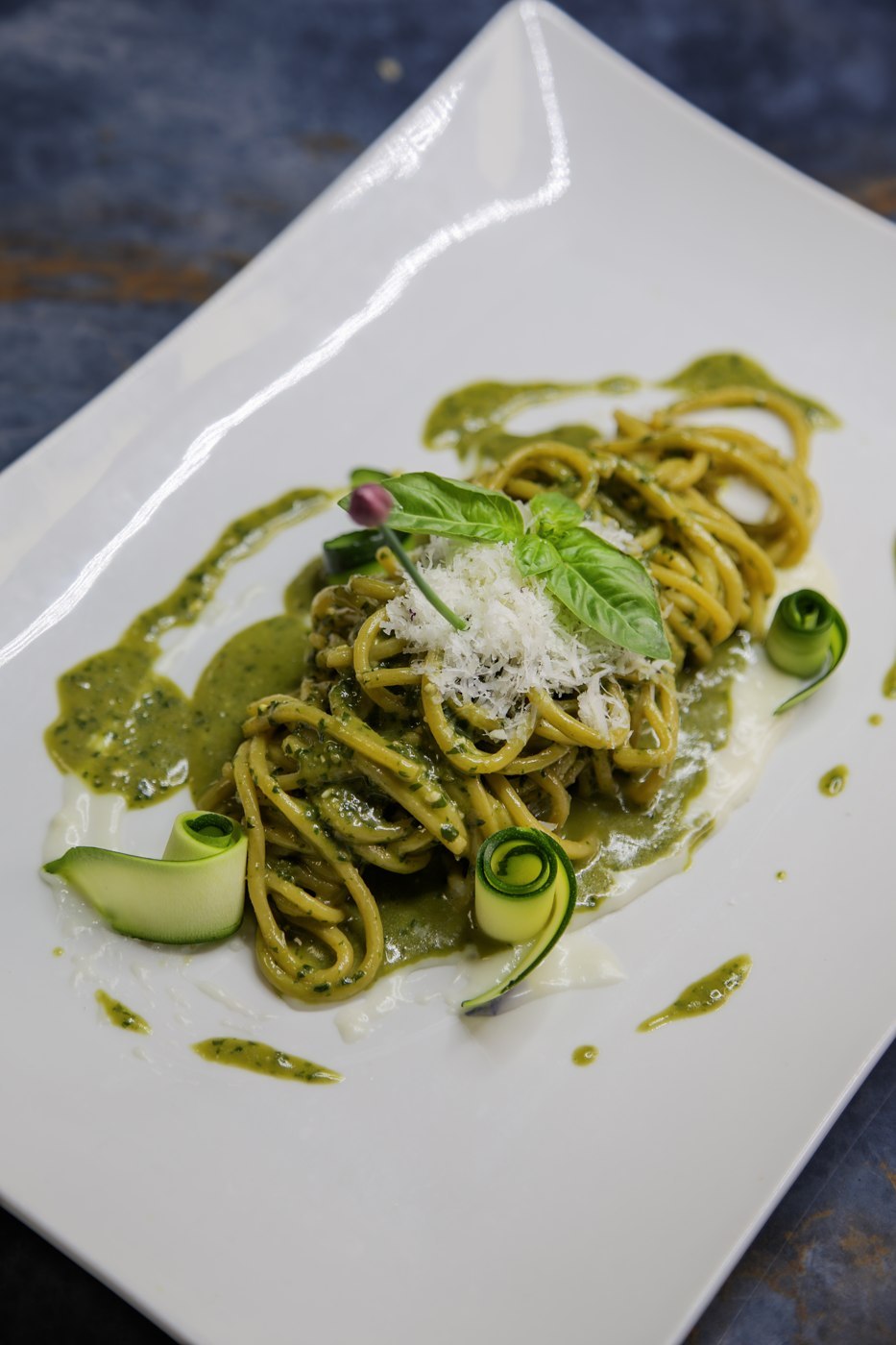
Fresh basil, pine nuts and hard cheese become an uncooked sauce for hot pasta.
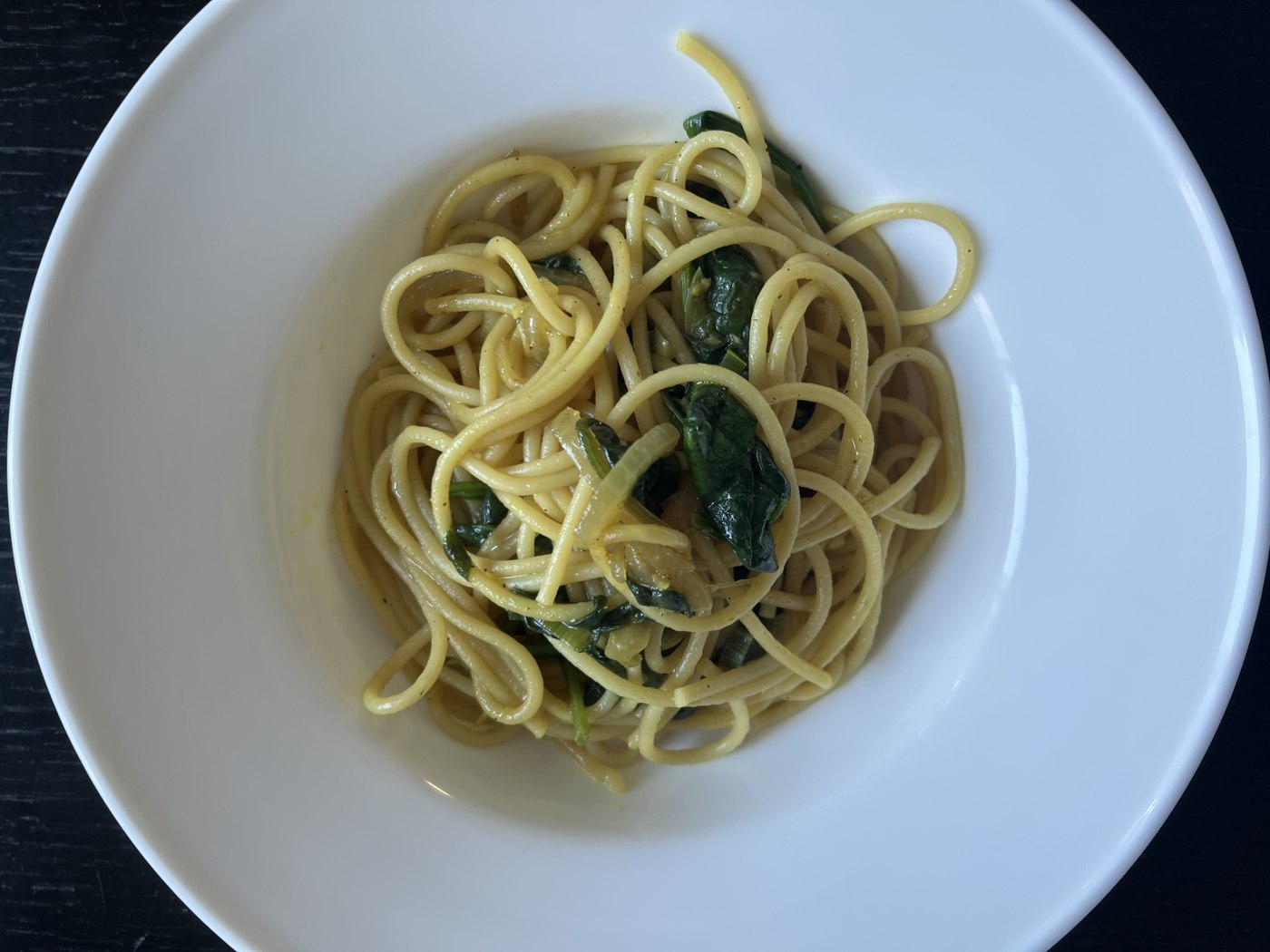
Leaf spinach, garlic and cream make a gentle sauce for spaghetti.
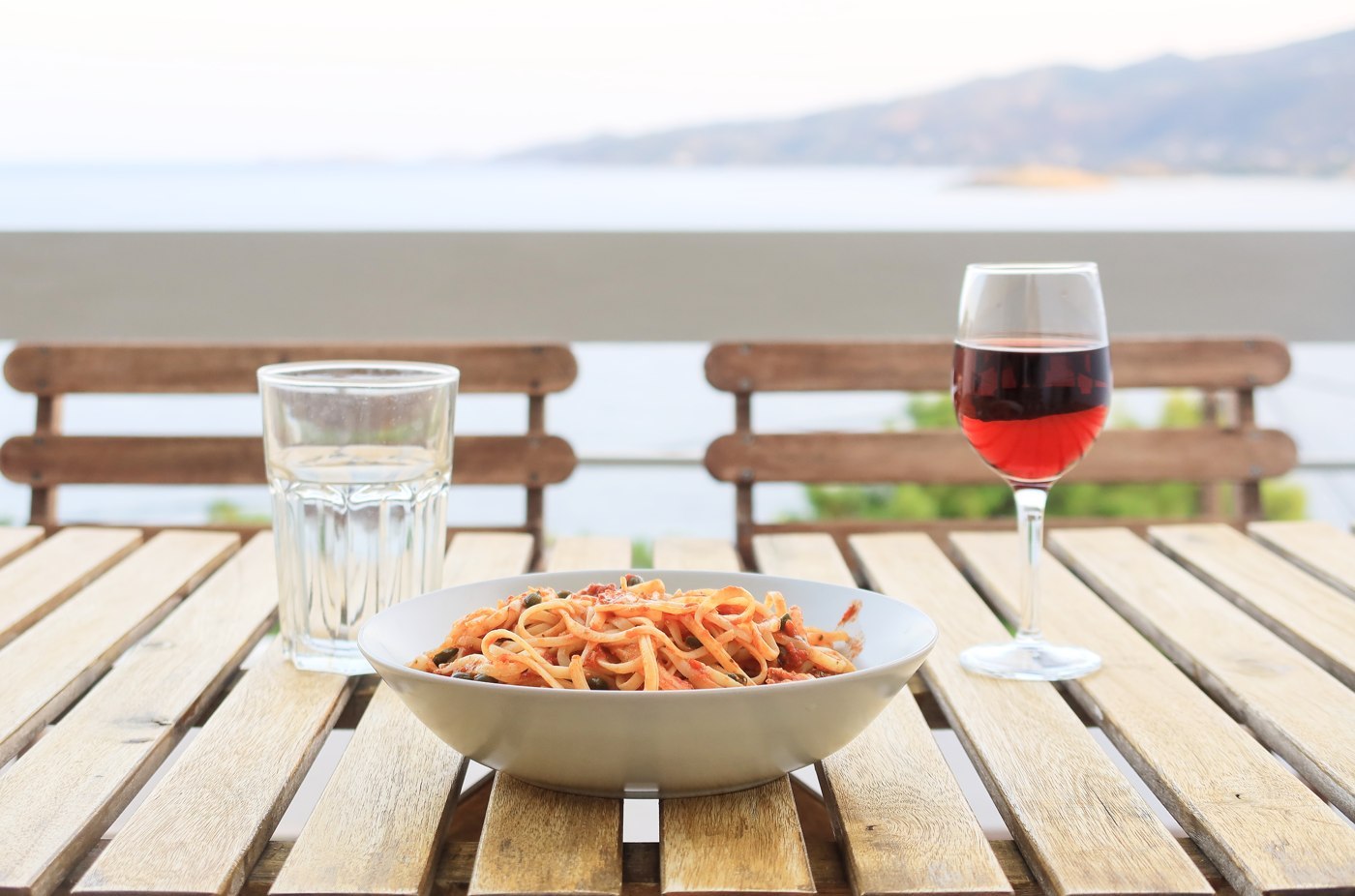
A tomato sauce with flaky tinned tuna and salty capers suits spaghetti or linguine.
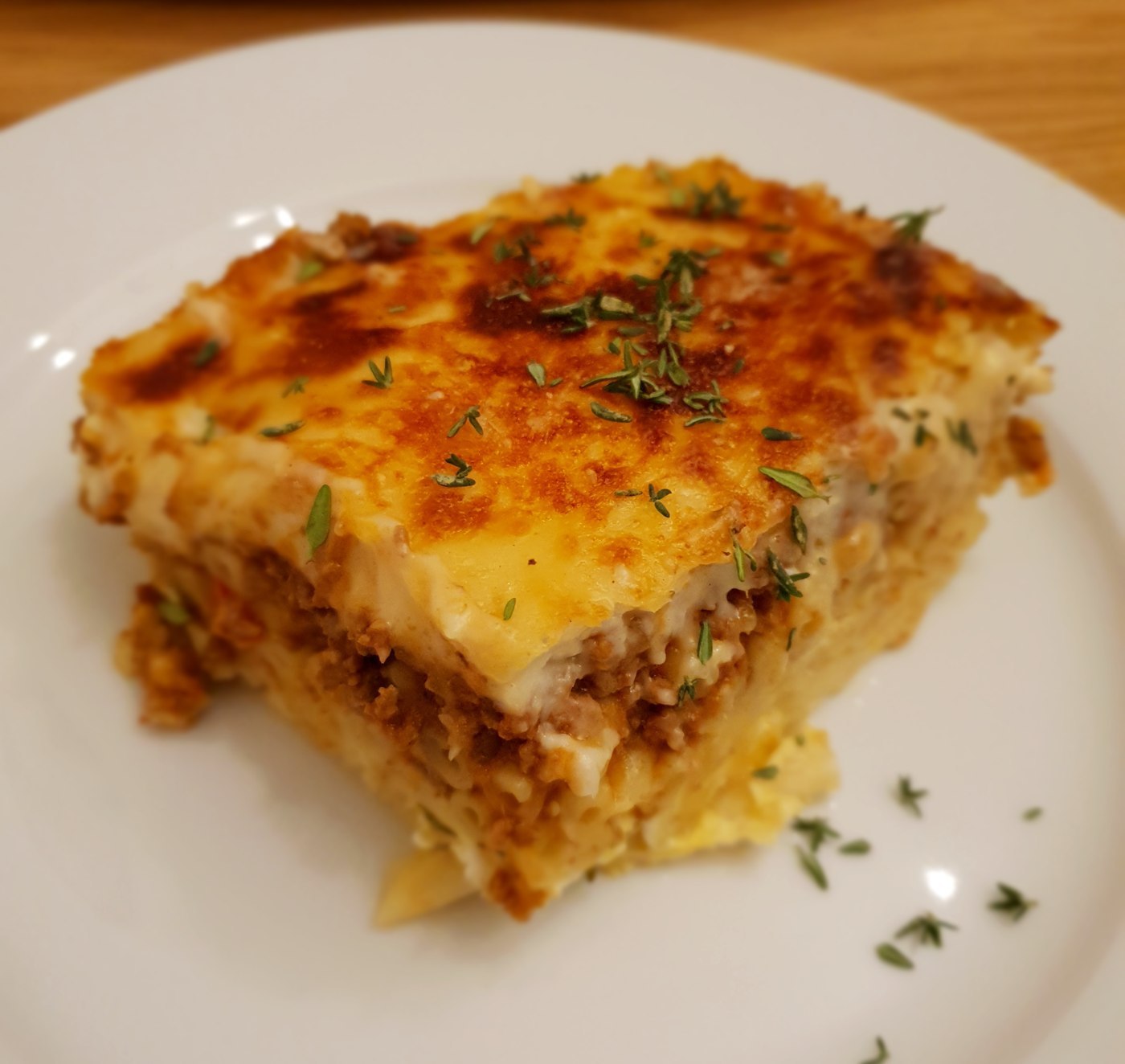
Tubular pasta, a spiced meat sauce and béchamel bake under a golden top.
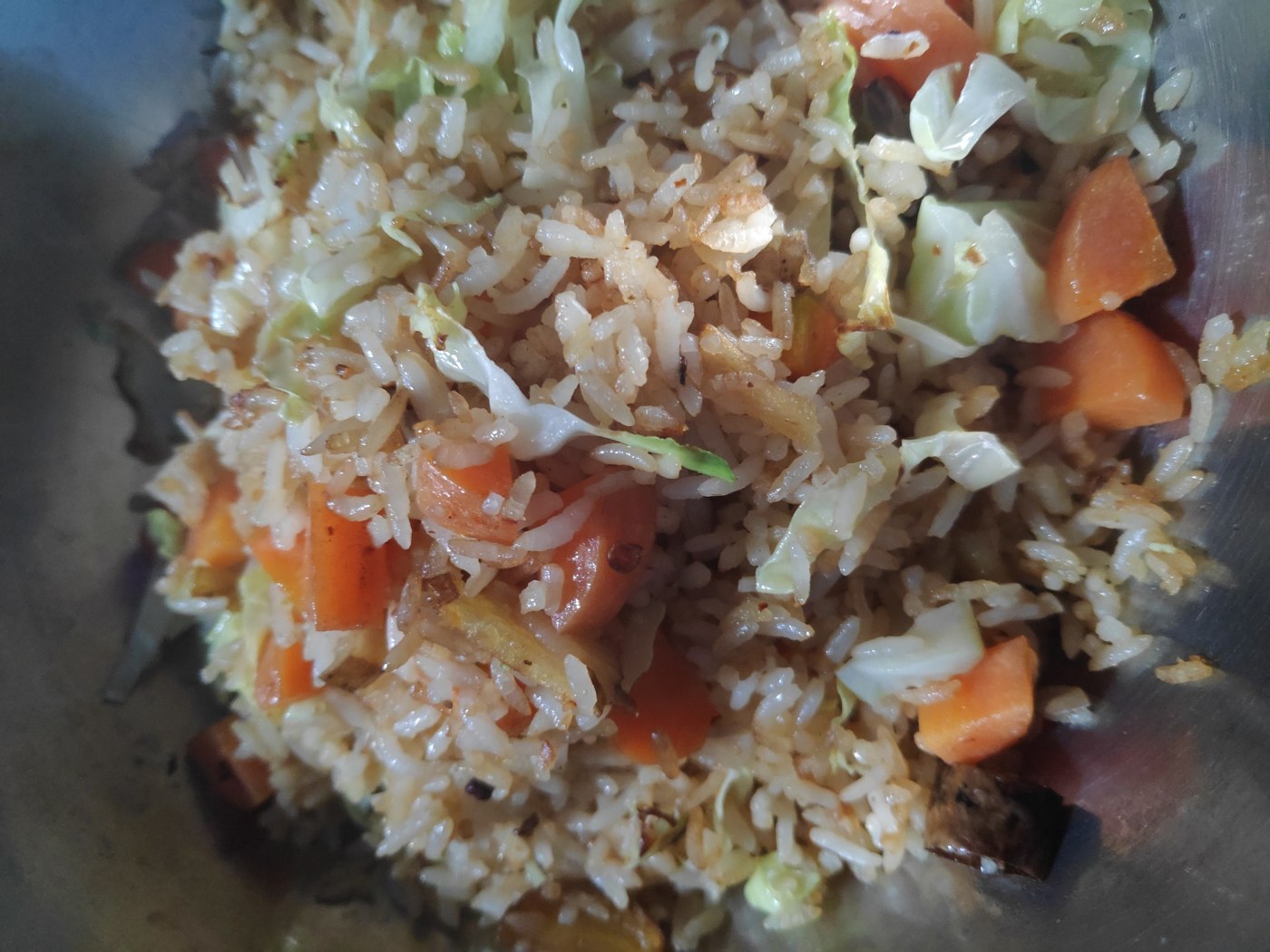
Separate rice grains fry with carrots, cabbage, peas and scrambled egg.
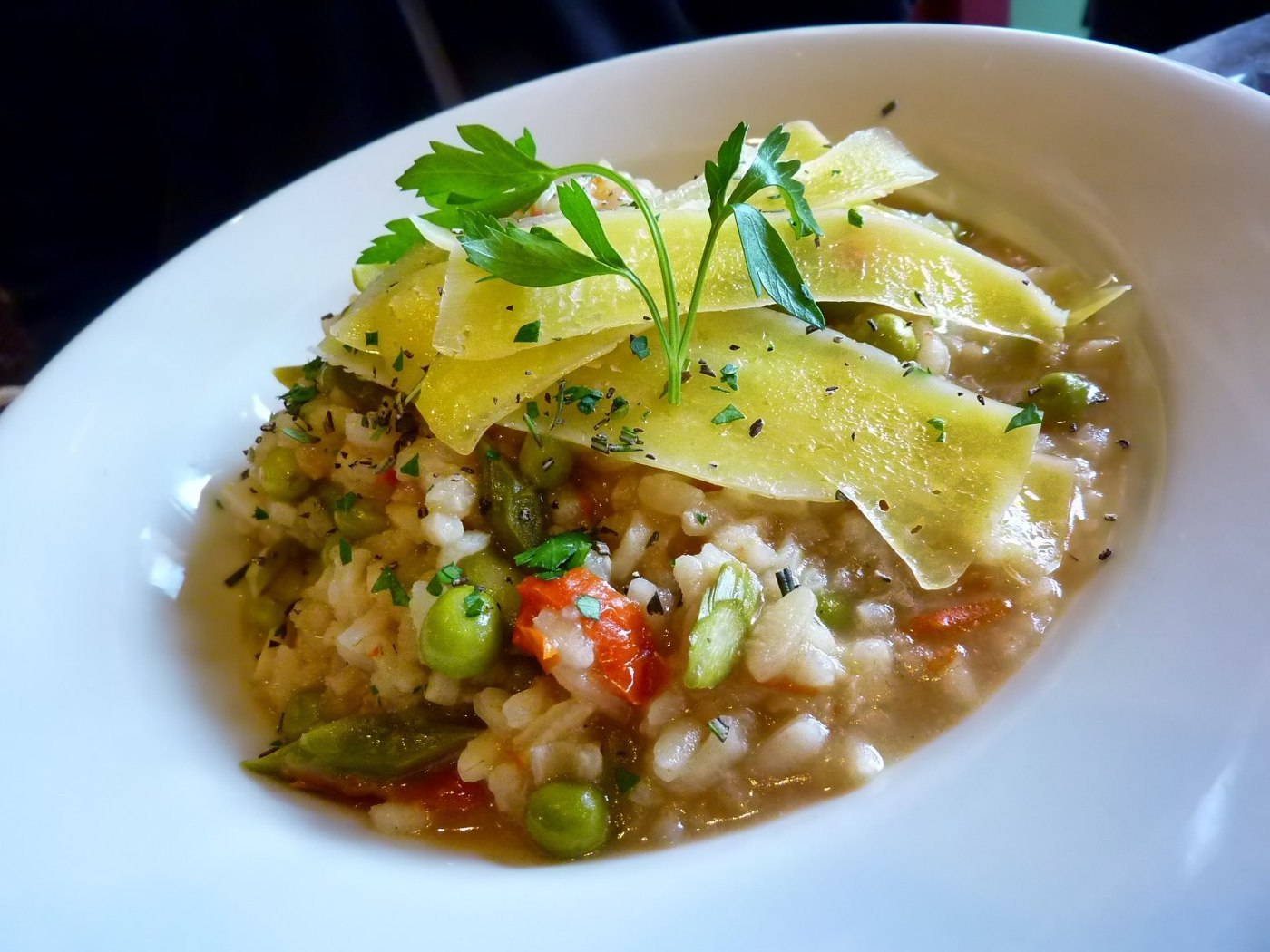
Risotto rice cooks with carrot and pepper, then finishes with peas and hard cheese.
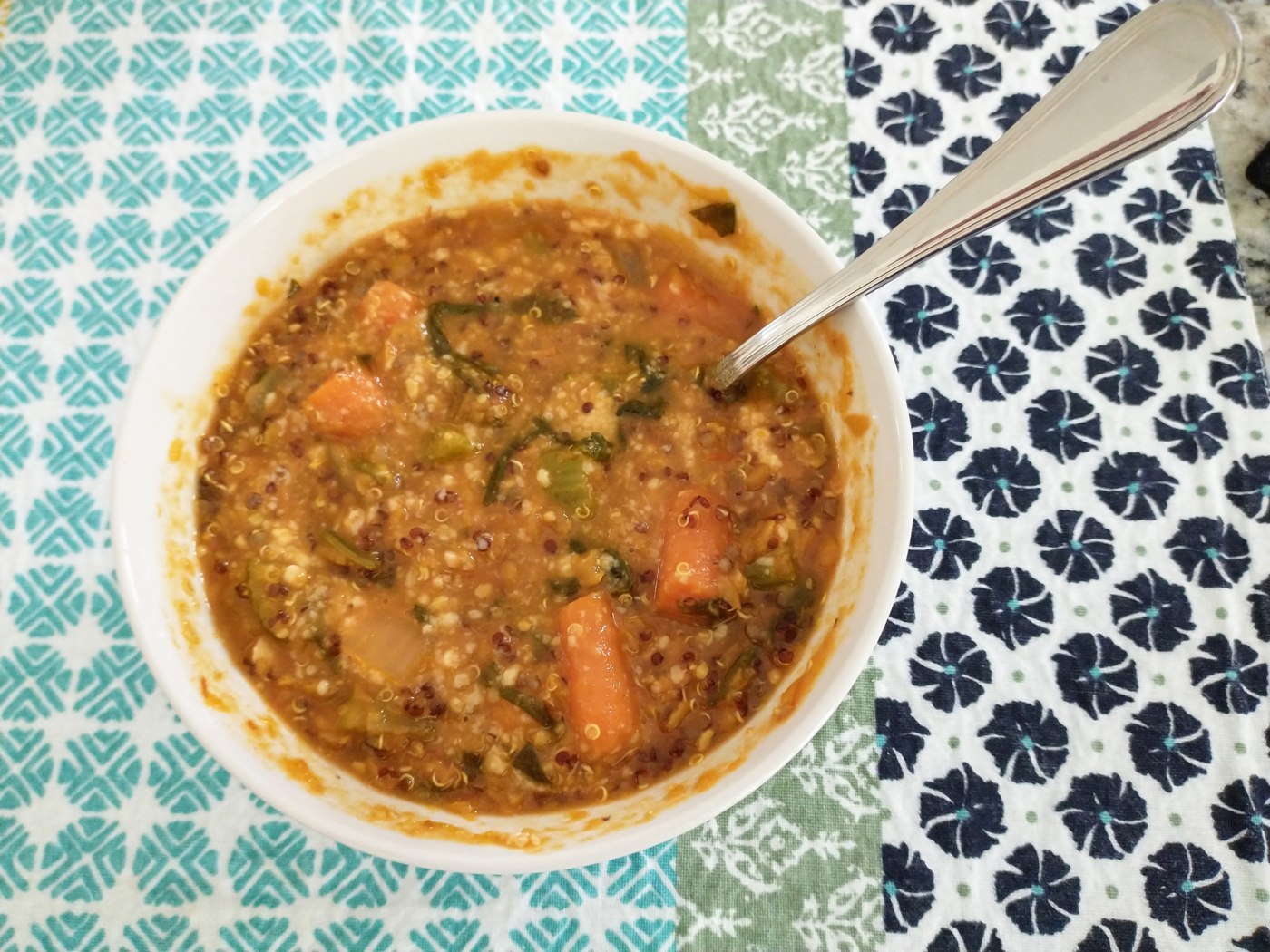
Brown and red lentils work together in a thick vegetable soup.
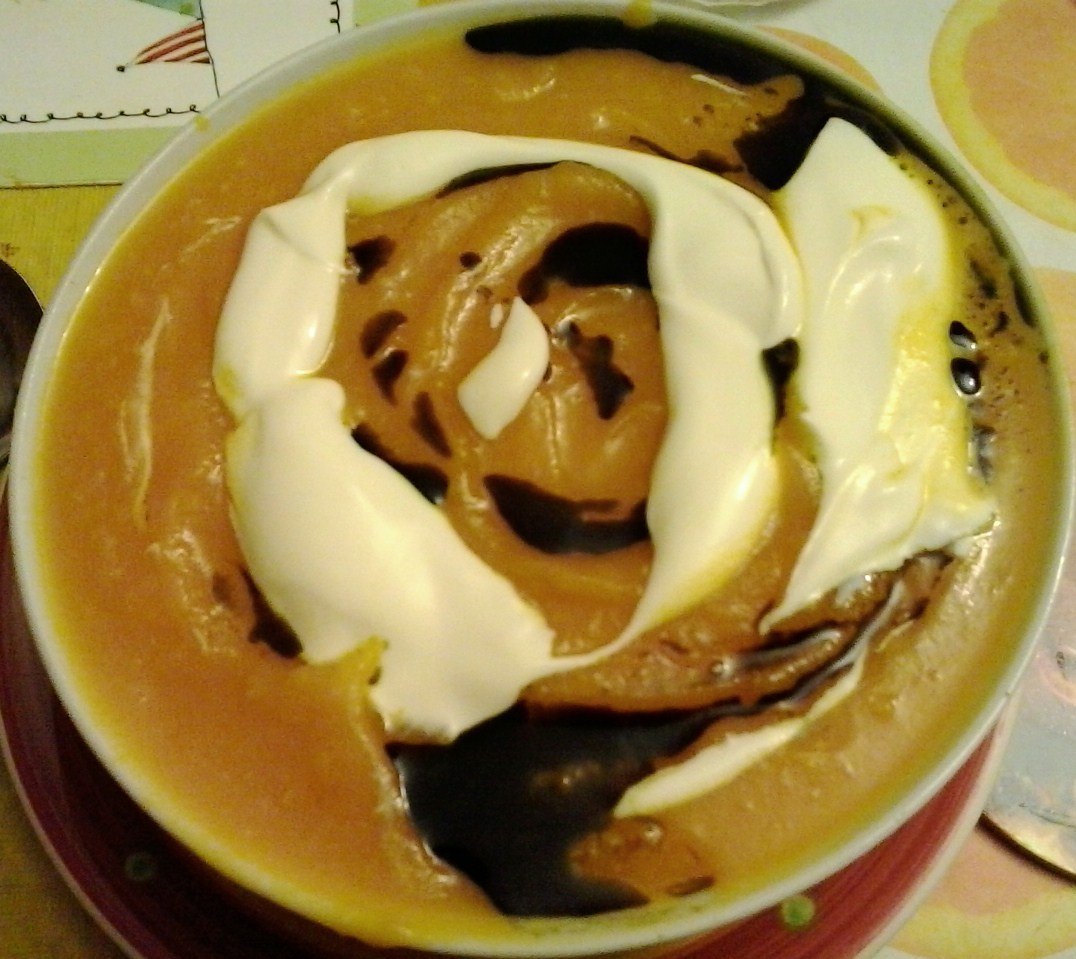
Tender Hokkaido pumpkin is blended smooth and finished with sour cream and pumpkin seed oil.
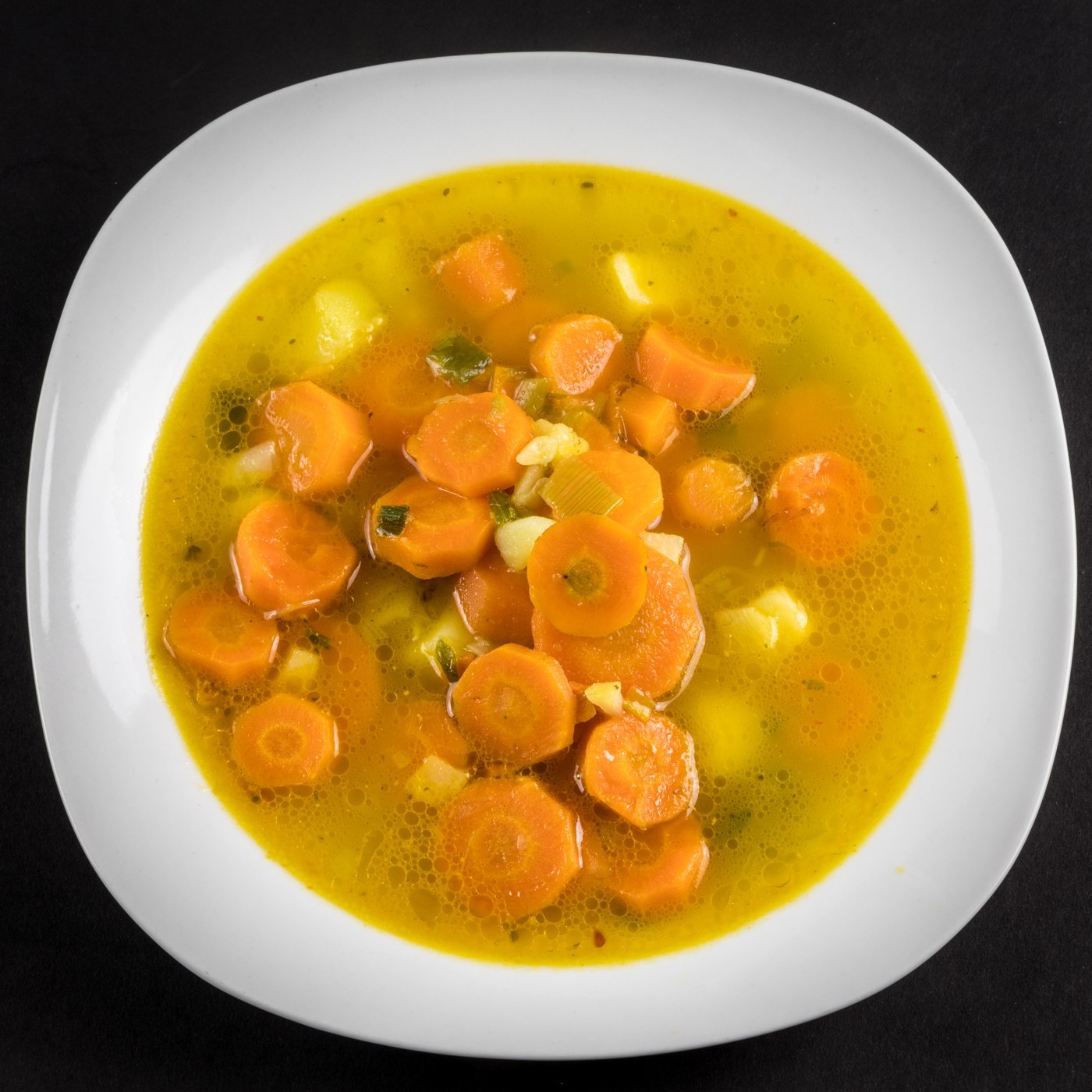
Carrot rounds and potato pieces remain visible in a gently seasoned vegetable broth.
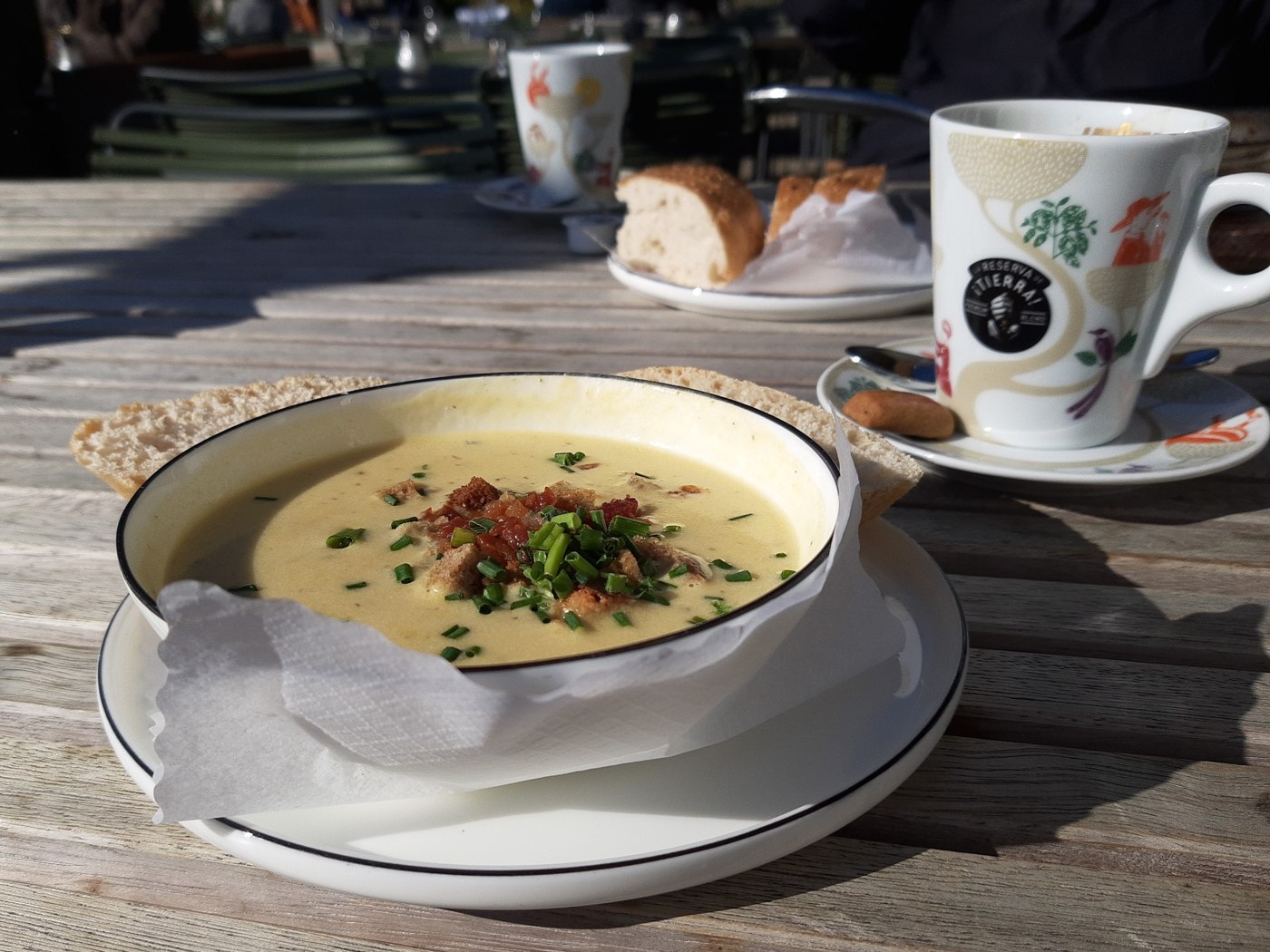
Floury potatoes make a creamy soup finished with separately fried bacon.
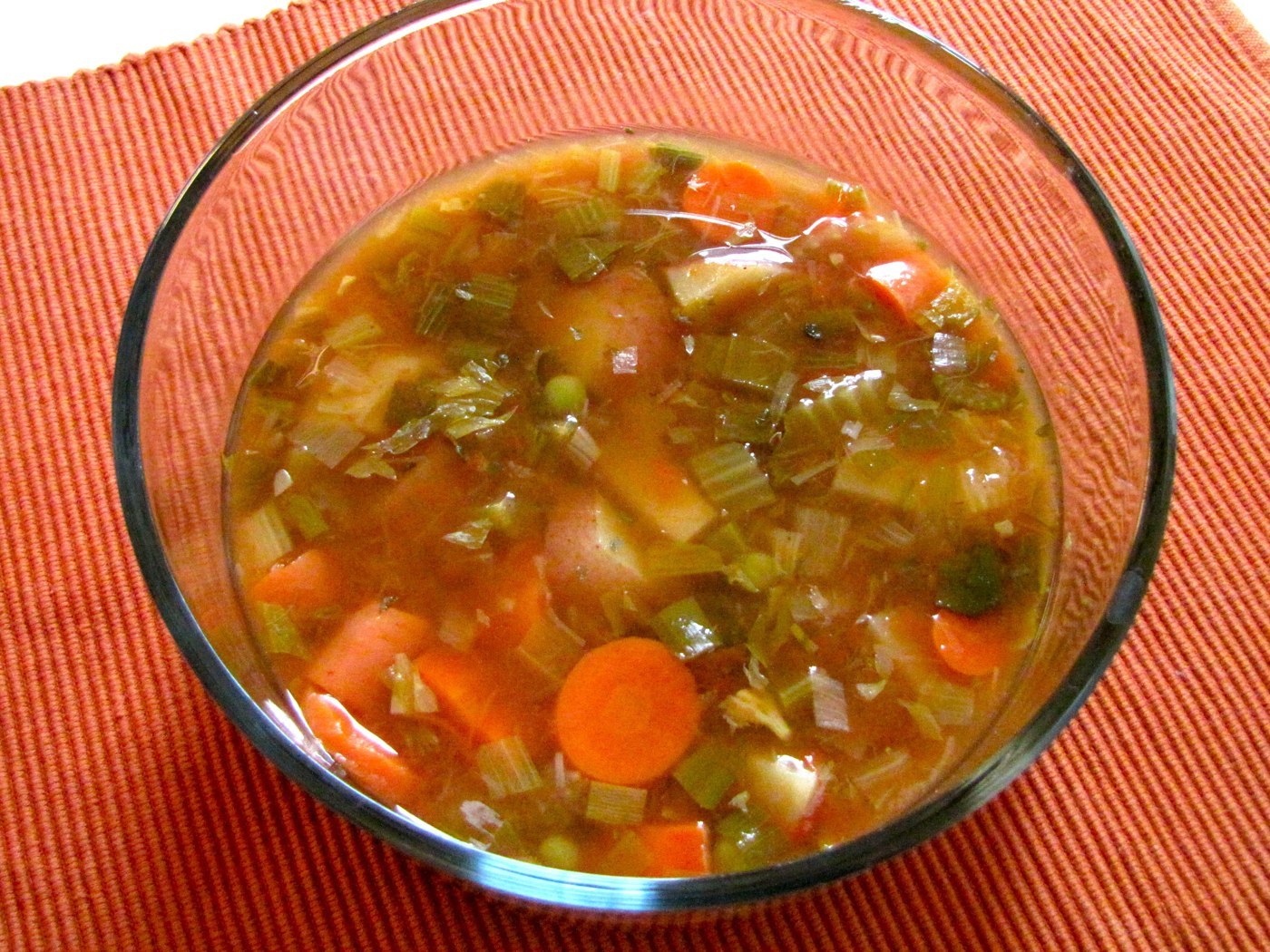
Carrots, potatoes, green beans and peas simmer in a light tomato broth.
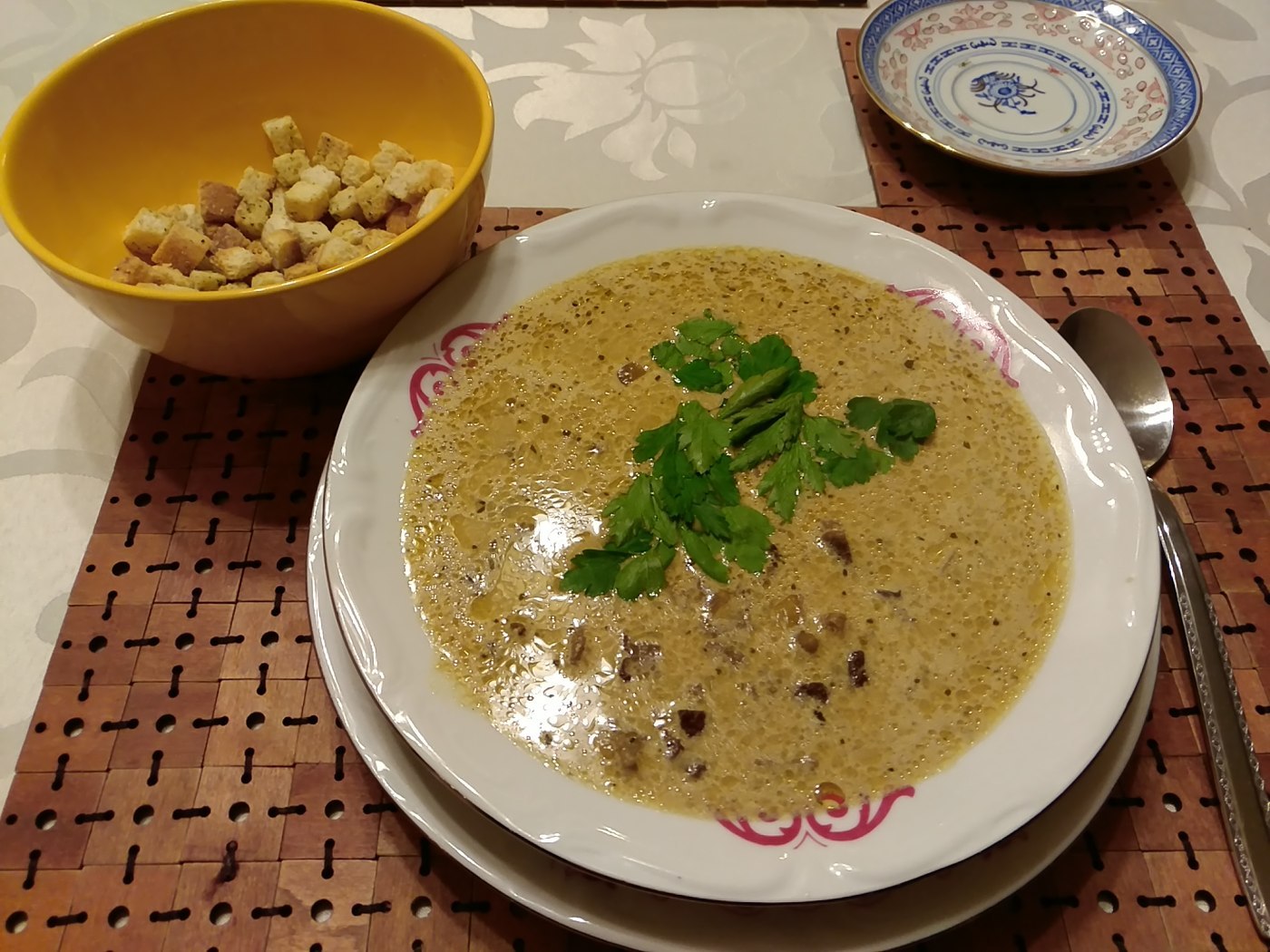
Some browned mushrooms remain as a garnish while the rest are blended into the soup.
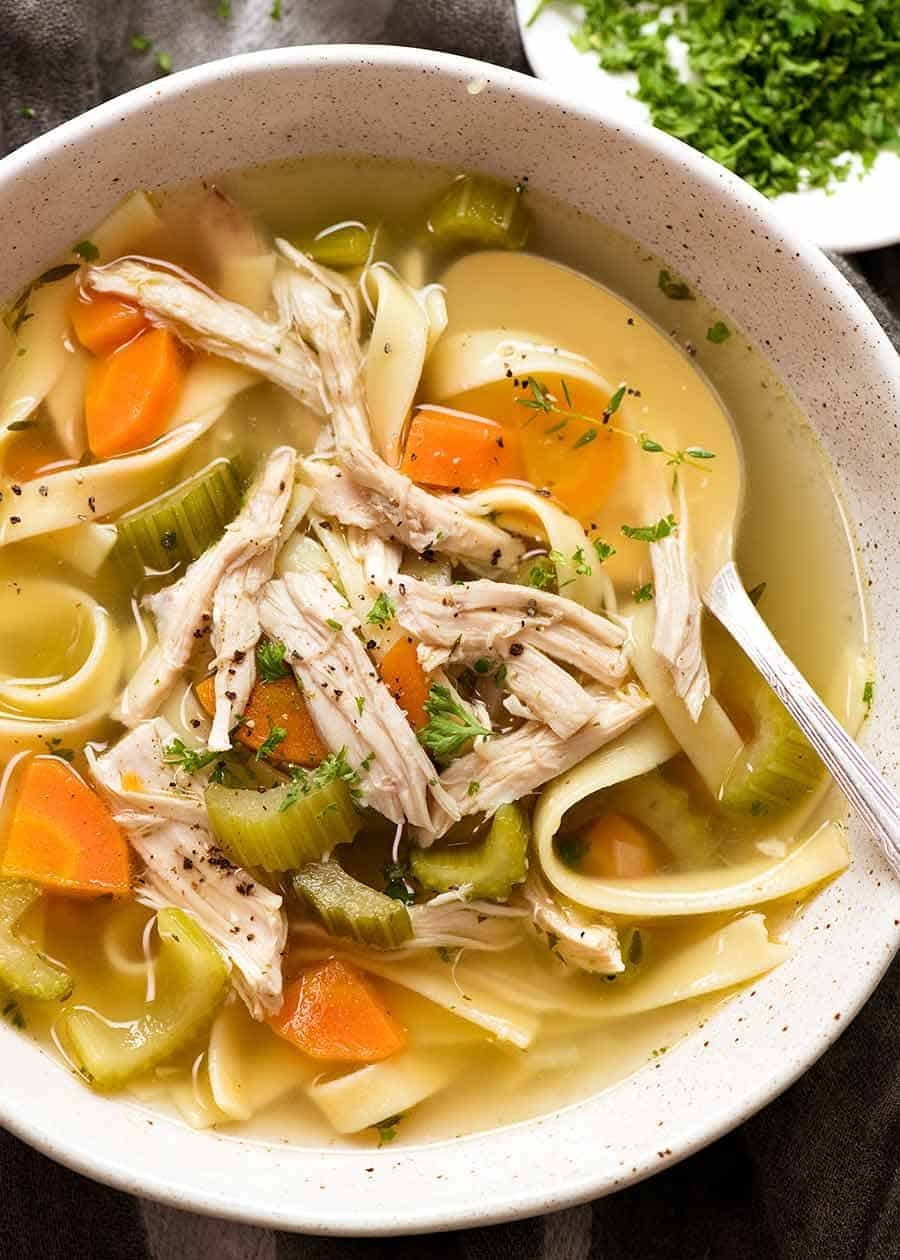
Chicken breast, ribbon noodles and vegetables make a clear, chunky soup.
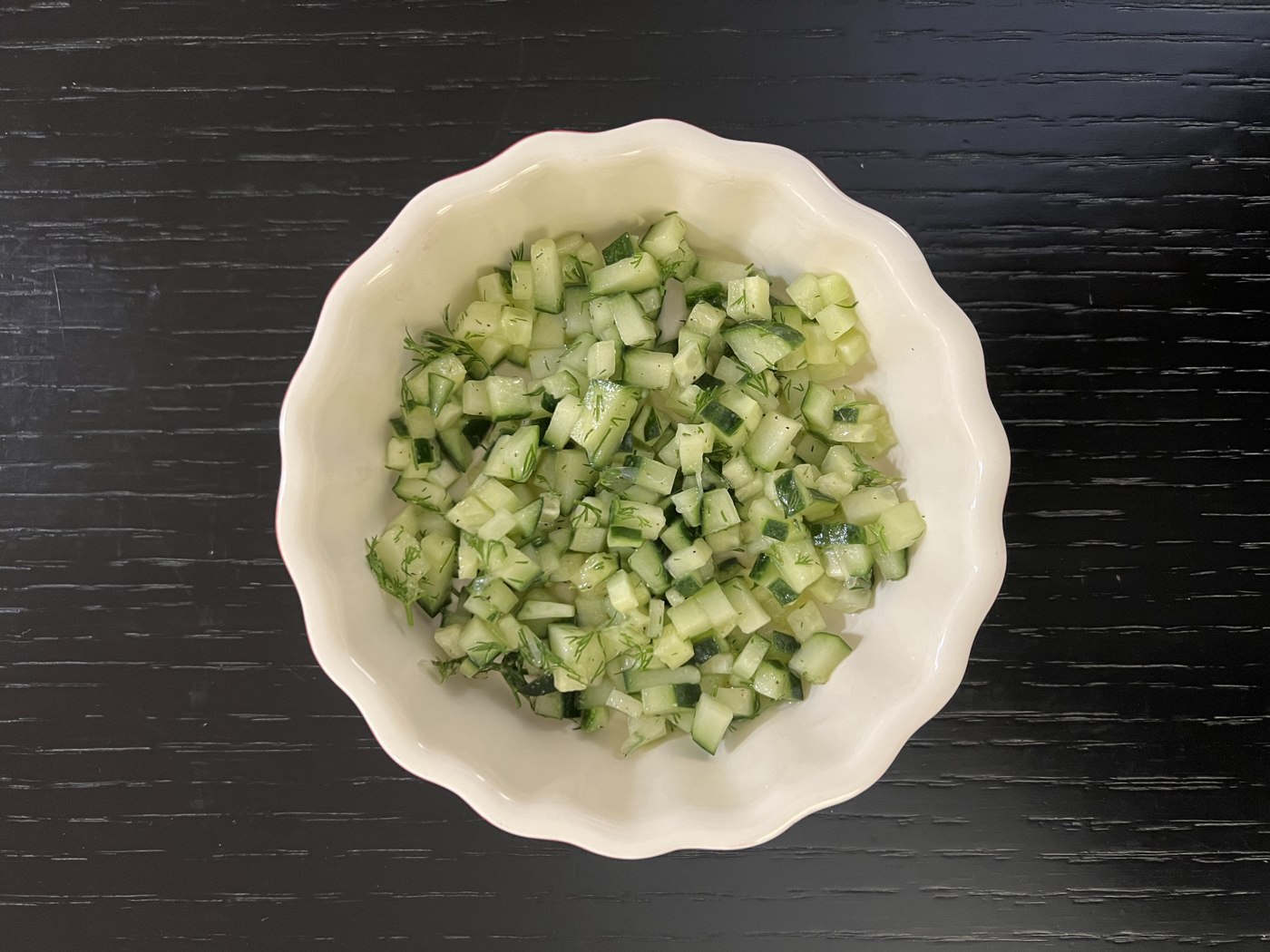
Small cucumber cubes are tossed with a light sour cream and dill dressing.
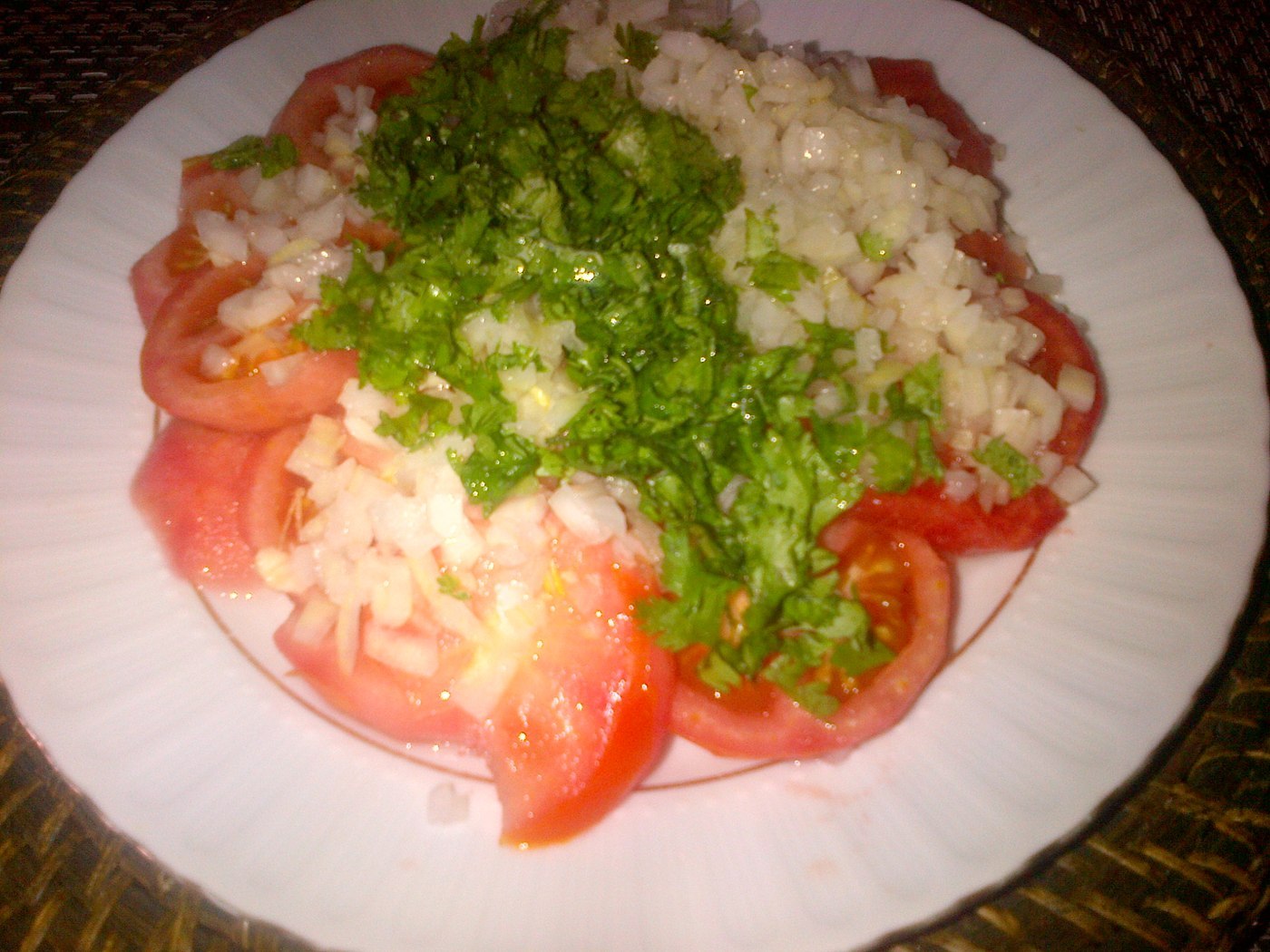
Ripe tomatoes are arranged with finely chopped onion and fresh herbs.
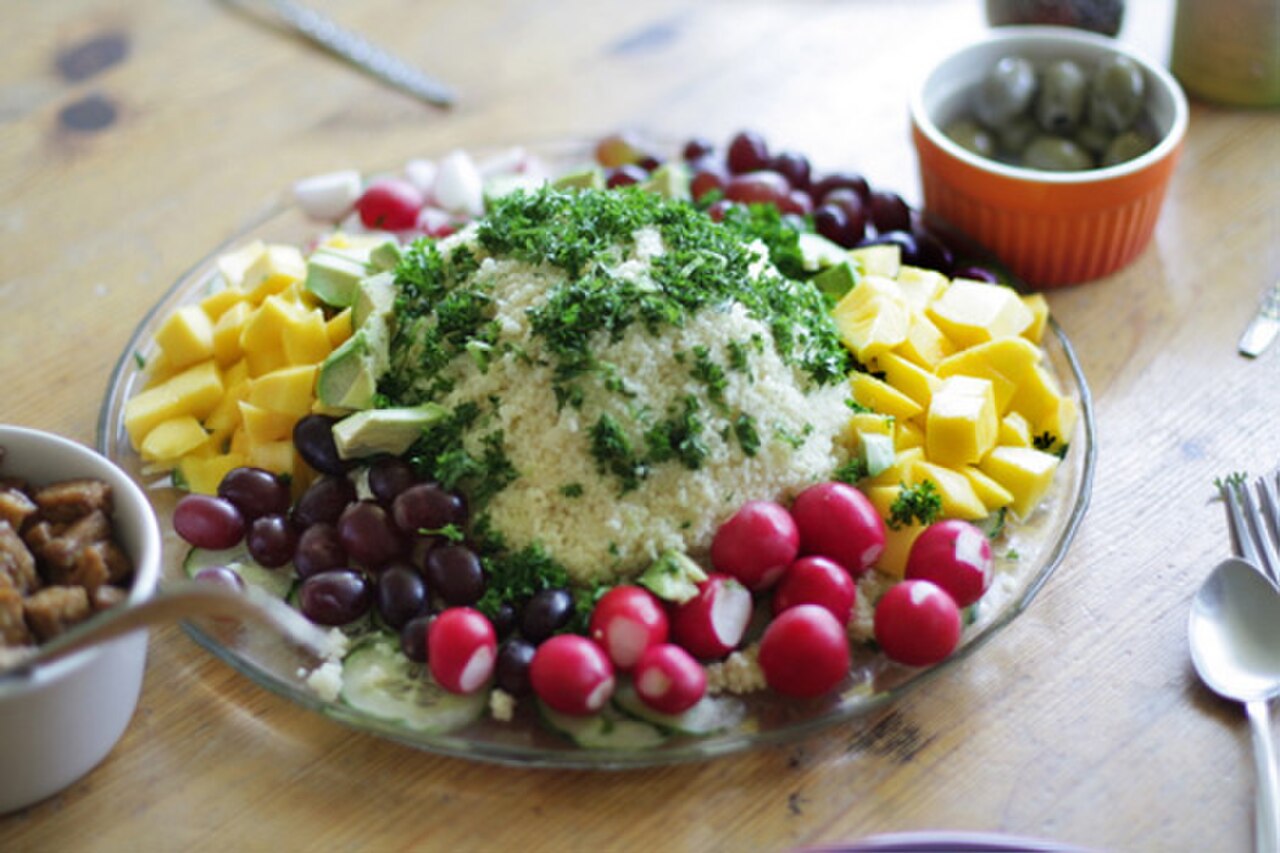
Couscous is served with beans, peas, yellow pepper and generous parsley.
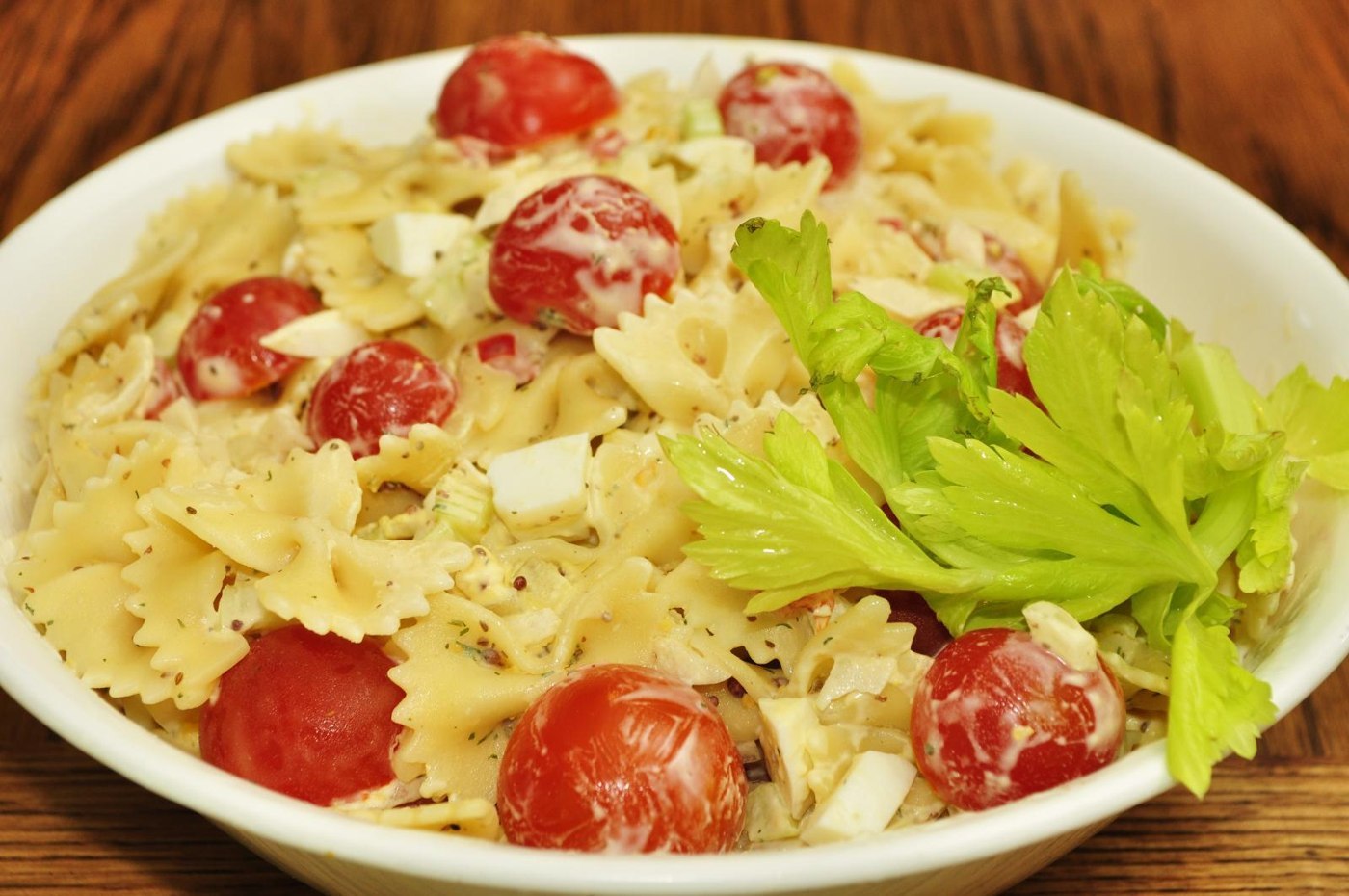
Bow-tie pasta is mixed with tomatoes, mozzarella and a lemon-oil dressing.
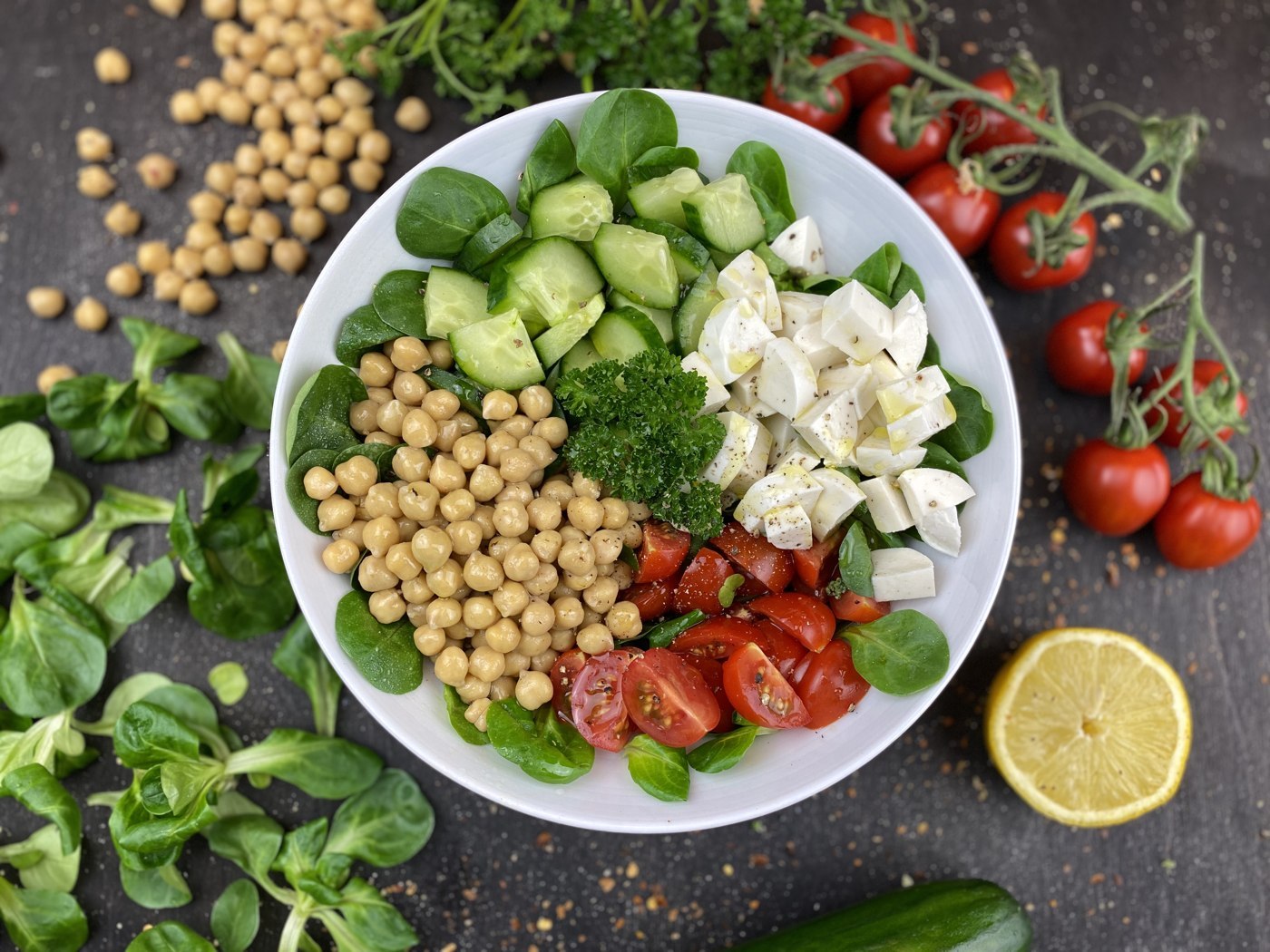
Chickpeas, tomatoes, cucumber and leaf spinach combine with lemon and feta.
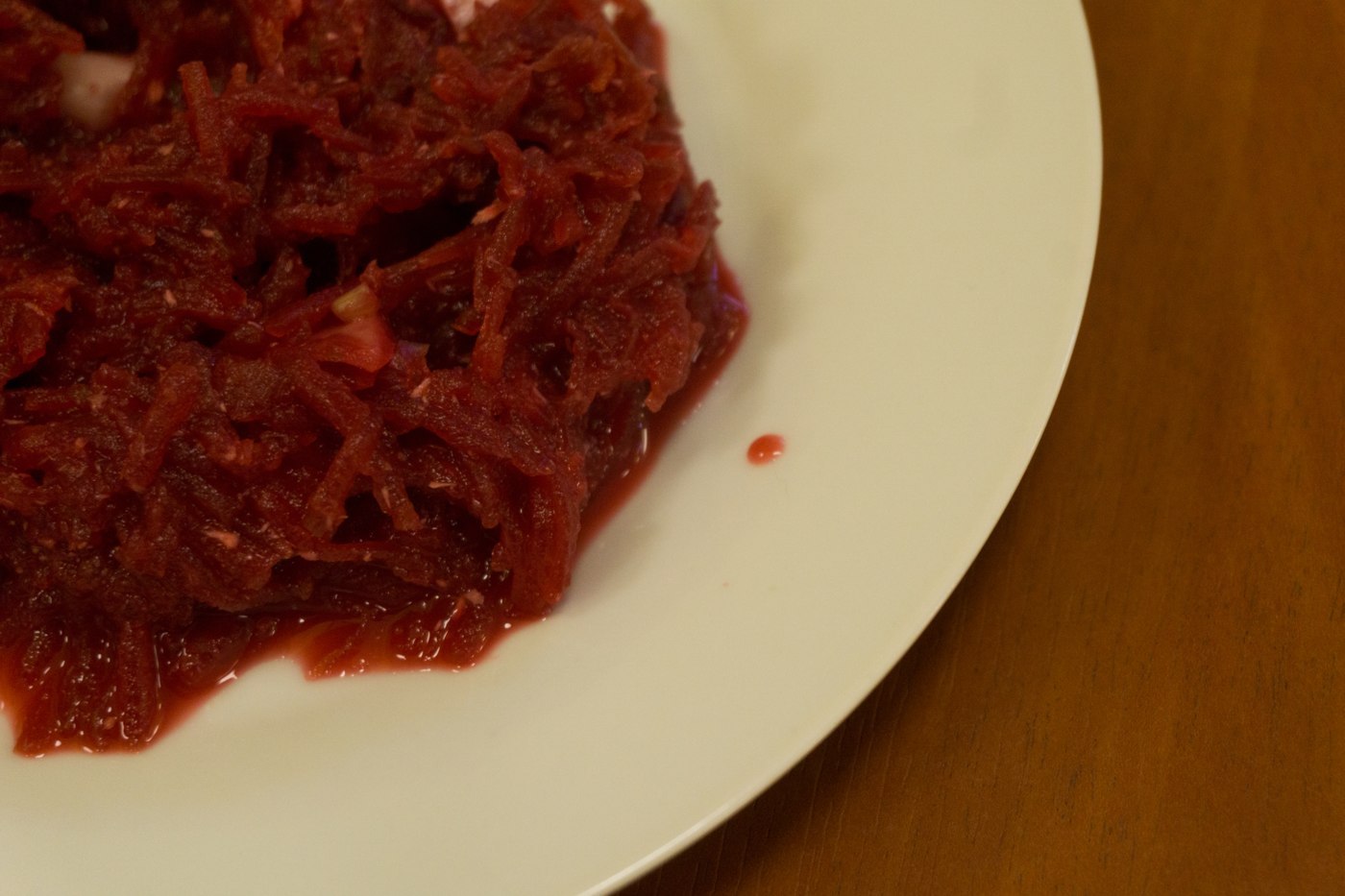
Cooked beetroot is grated and seasoned with apple, vinegar and a little horseradish.
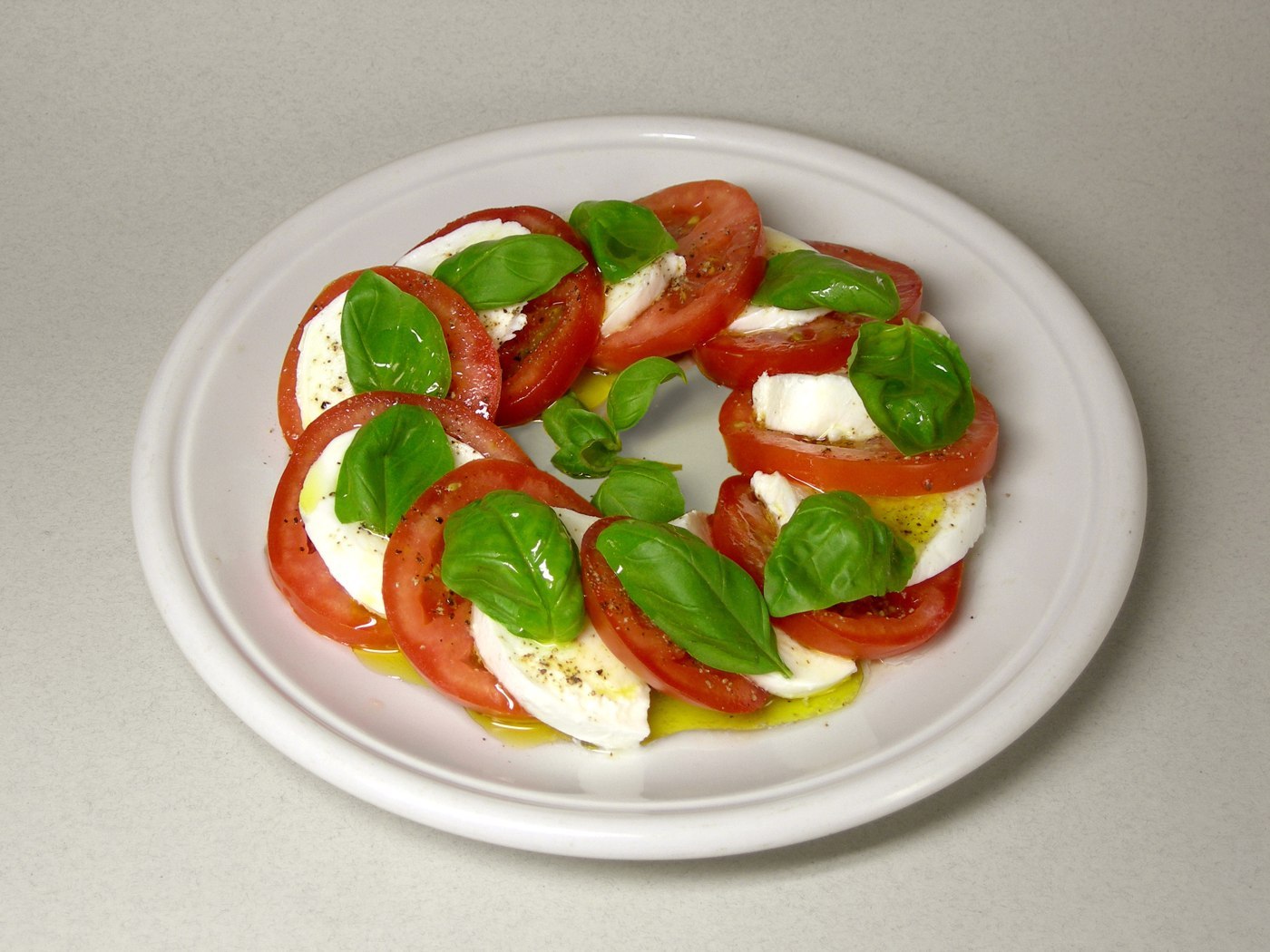
Tomato and mozzarella slices are simply arranged with basil and olive oil.
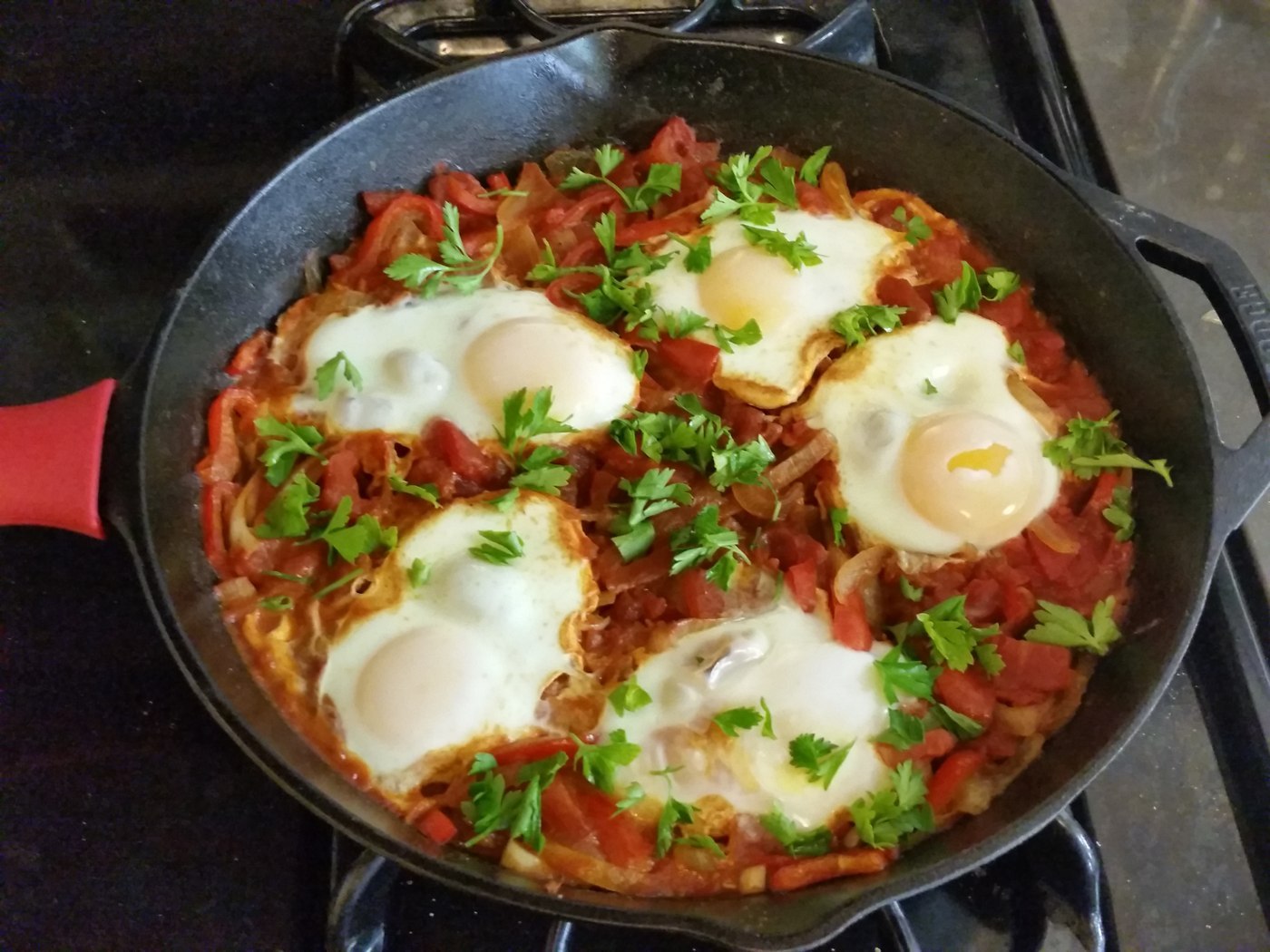
Eggs cook directly in a thick tomato and pepper sauce in one frying pan.
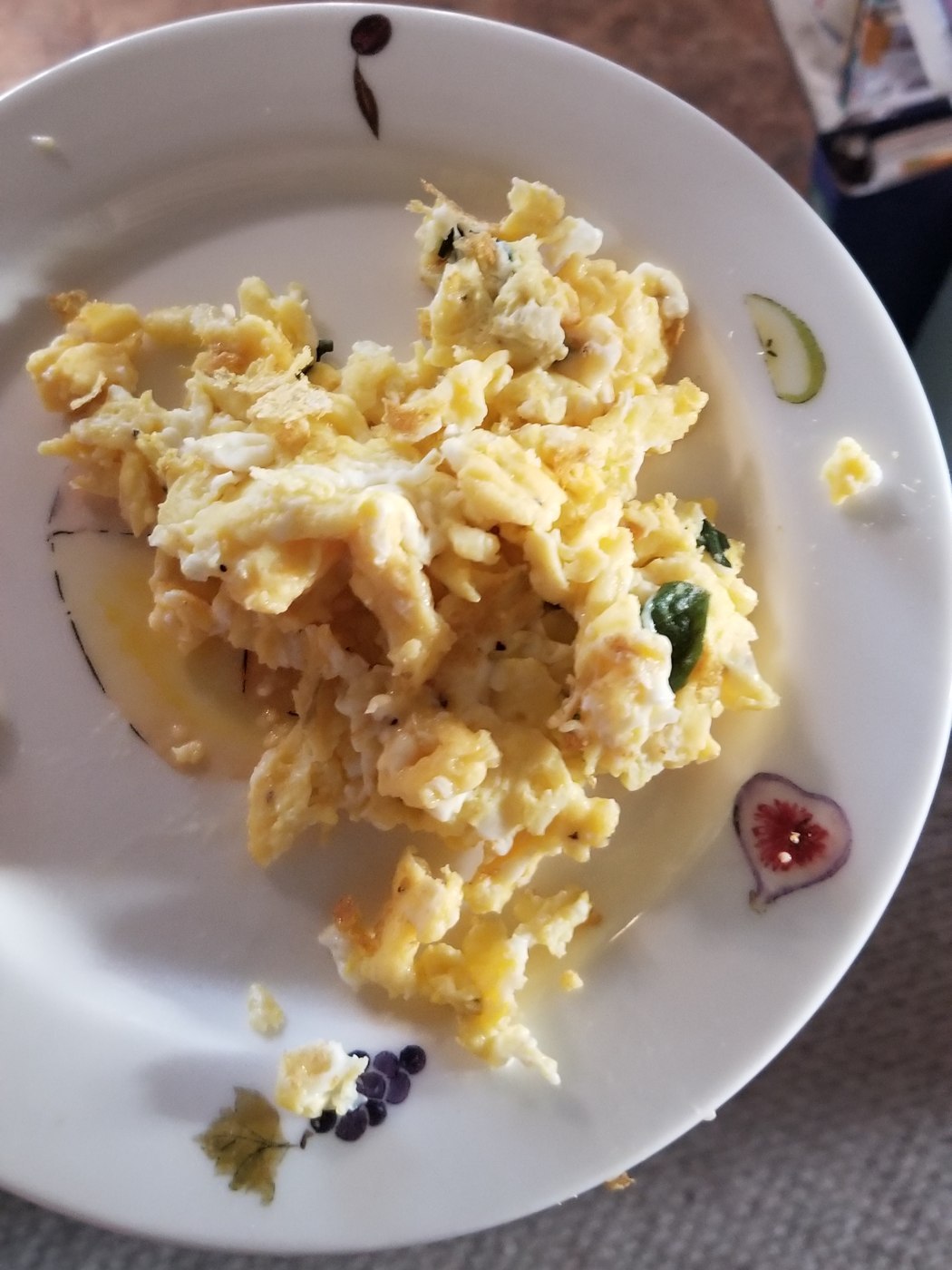
Gently cooked eggs are finished with basil added at the end.
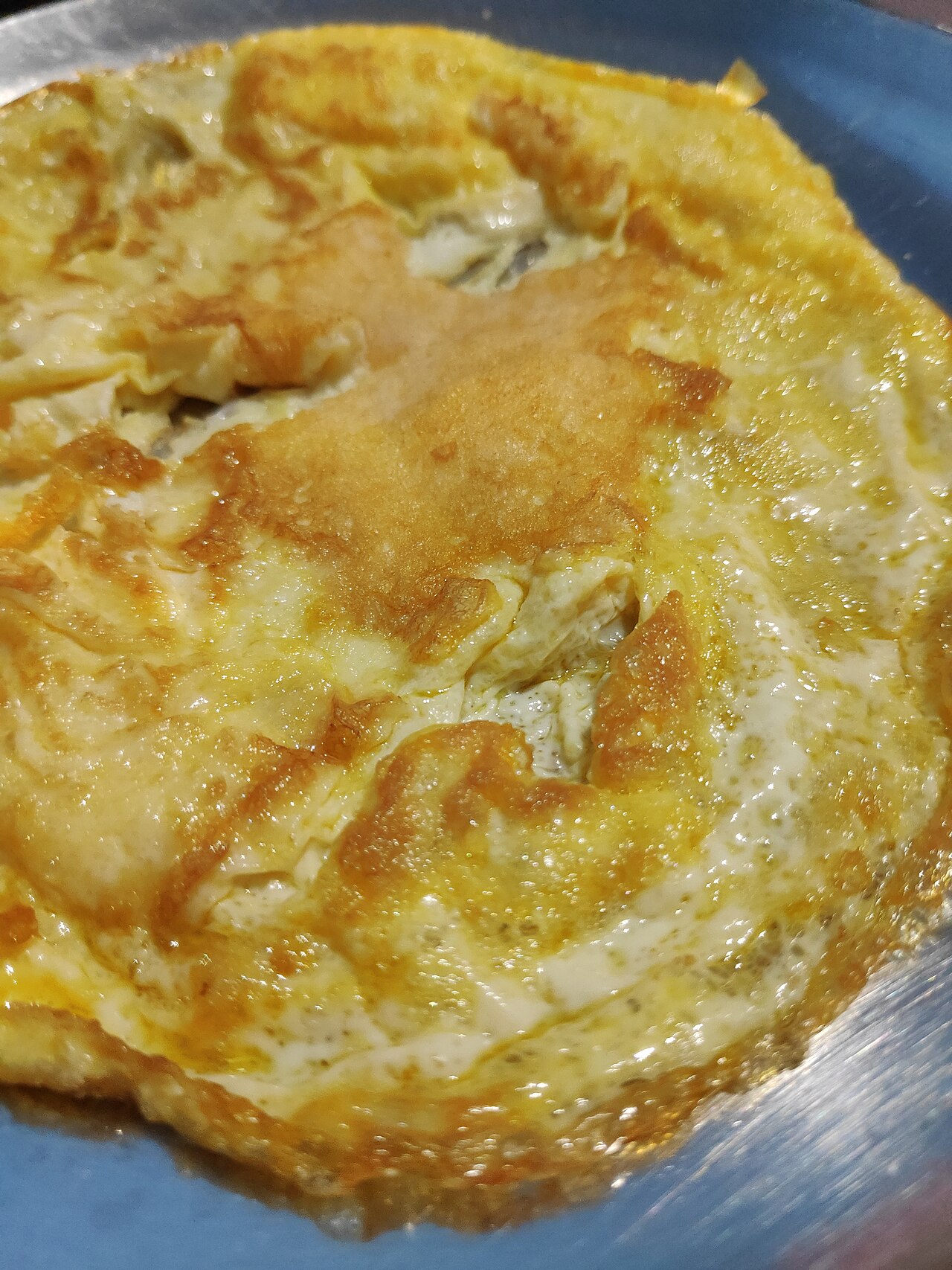
Two eggs cook in a little butter to make a thin, lightly browned omelette.
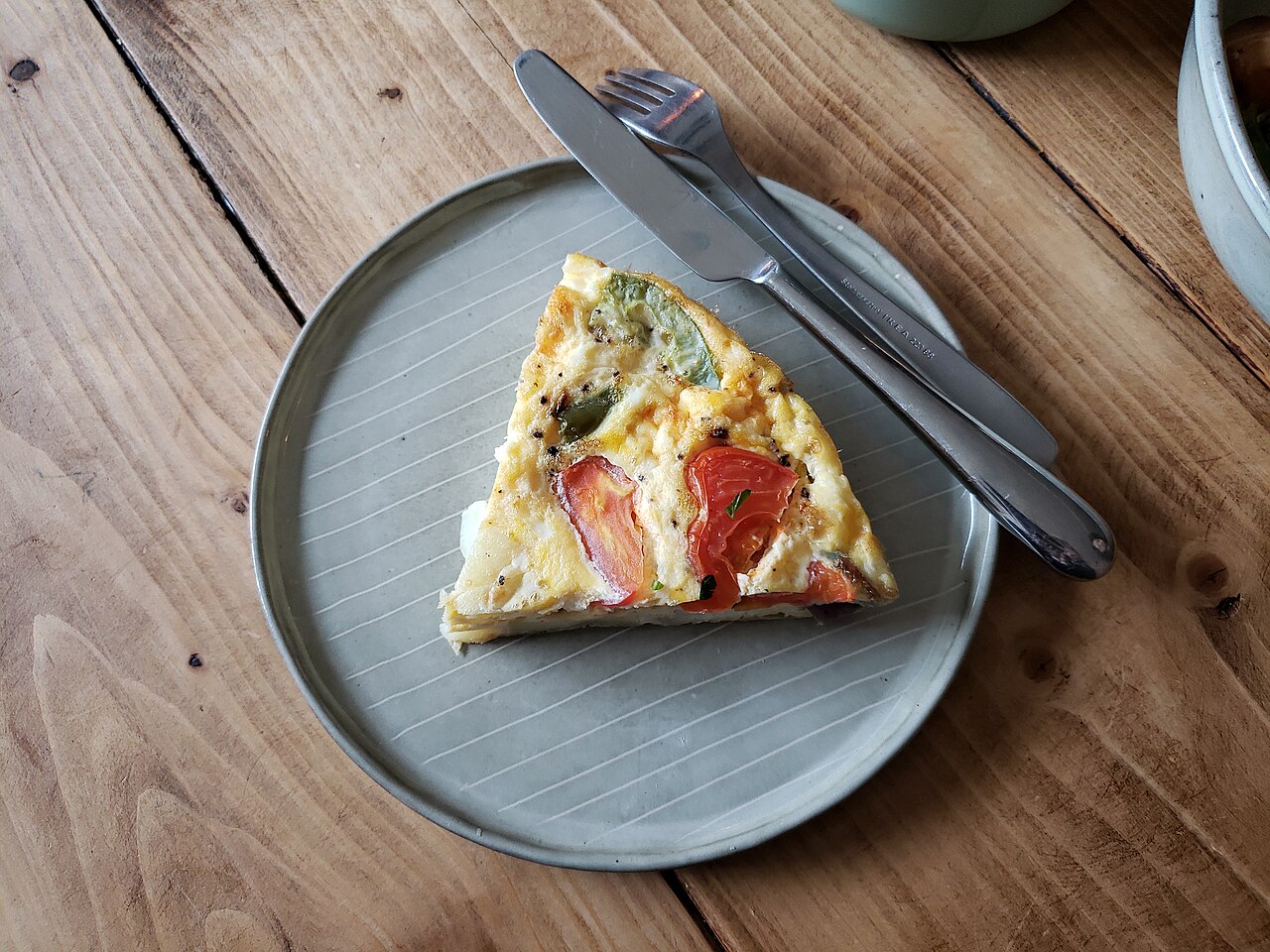
Eggs bind precooked potatoes, peppers and tomatoes into a sliceable frittata.
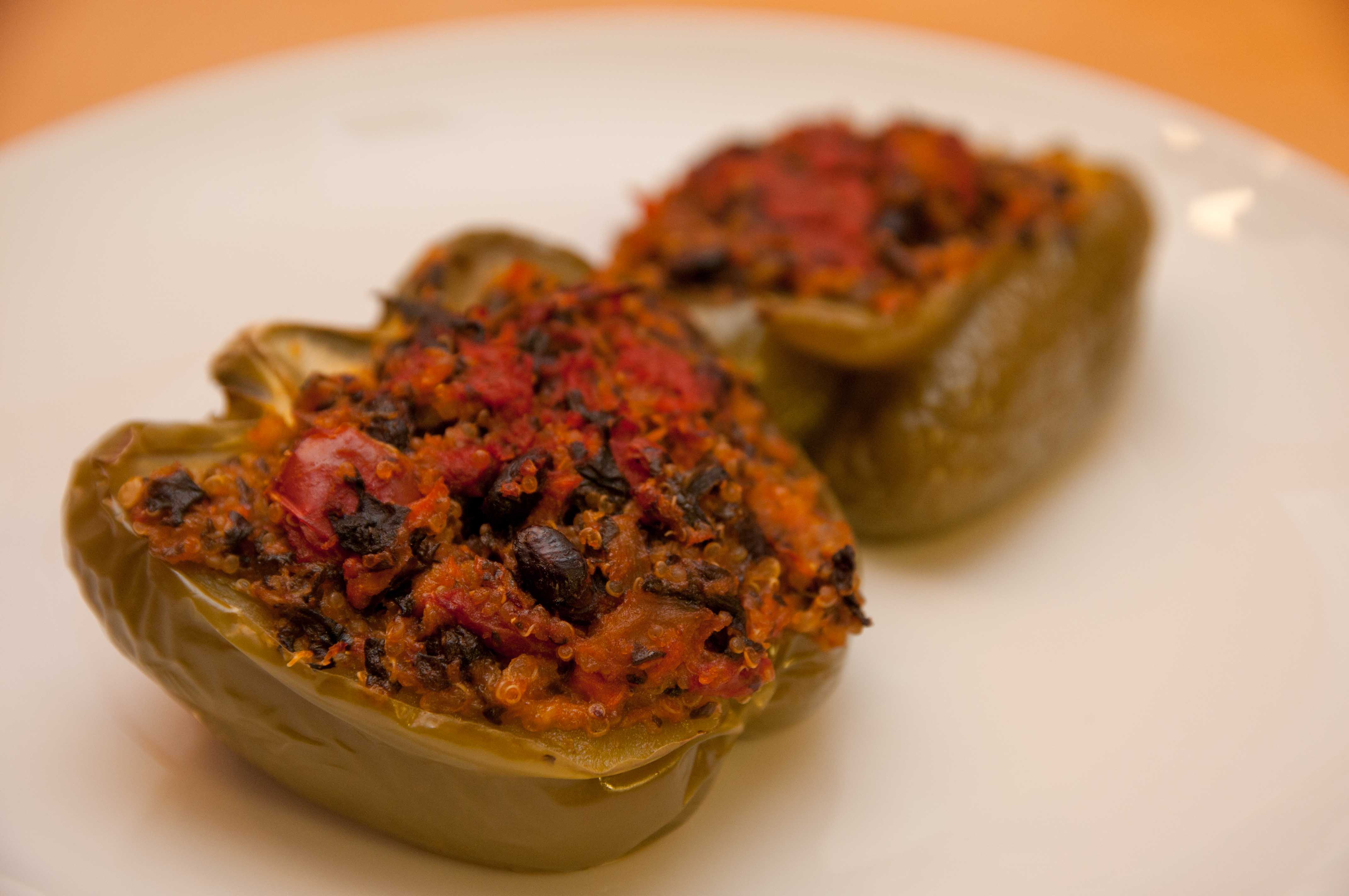
Green pepper halves bake with quinoa, beans, tomatoes and spinach.
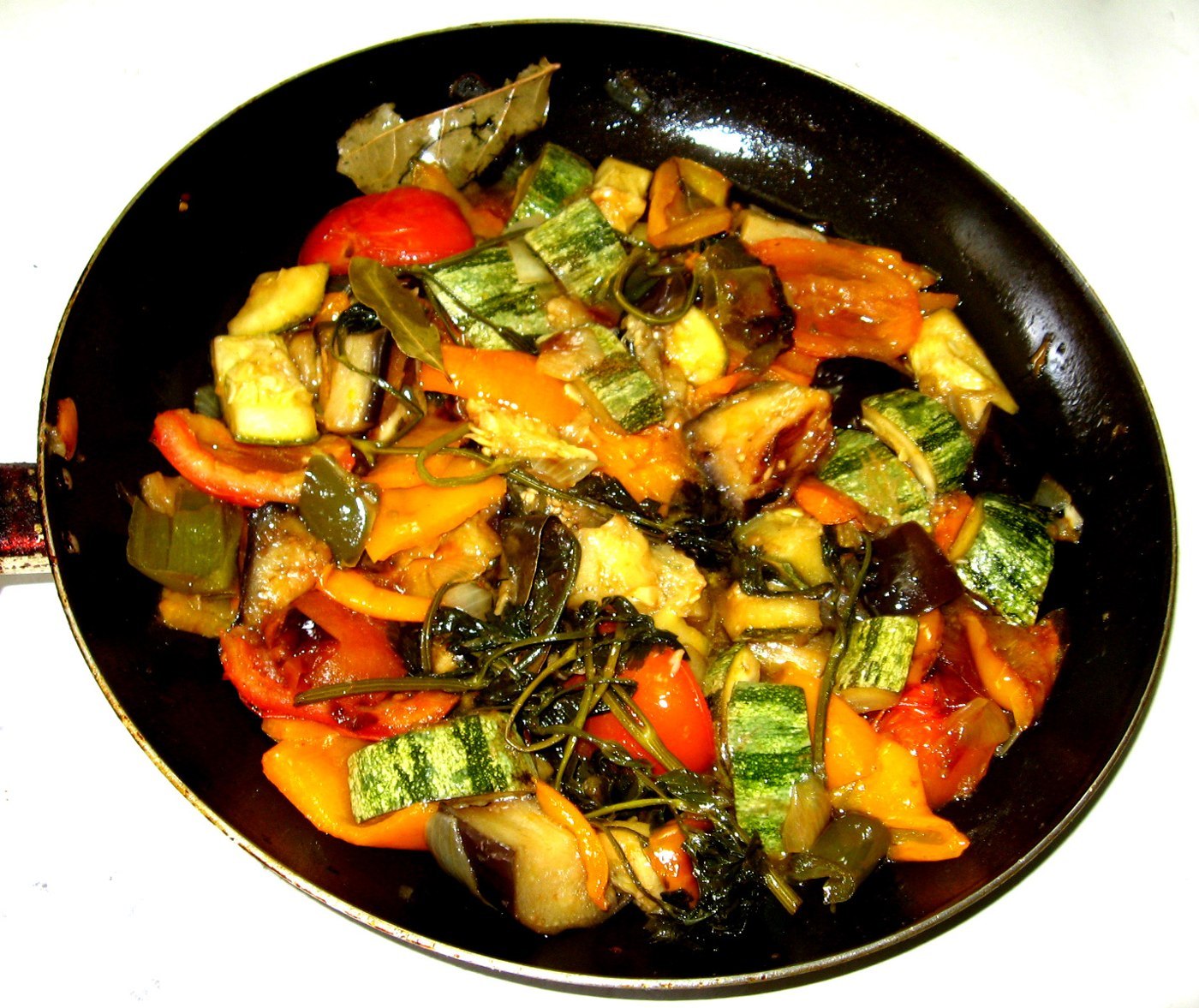
Aubergine, courgettes, peppers and tomatoes simmer into a chunky vegetable dish.
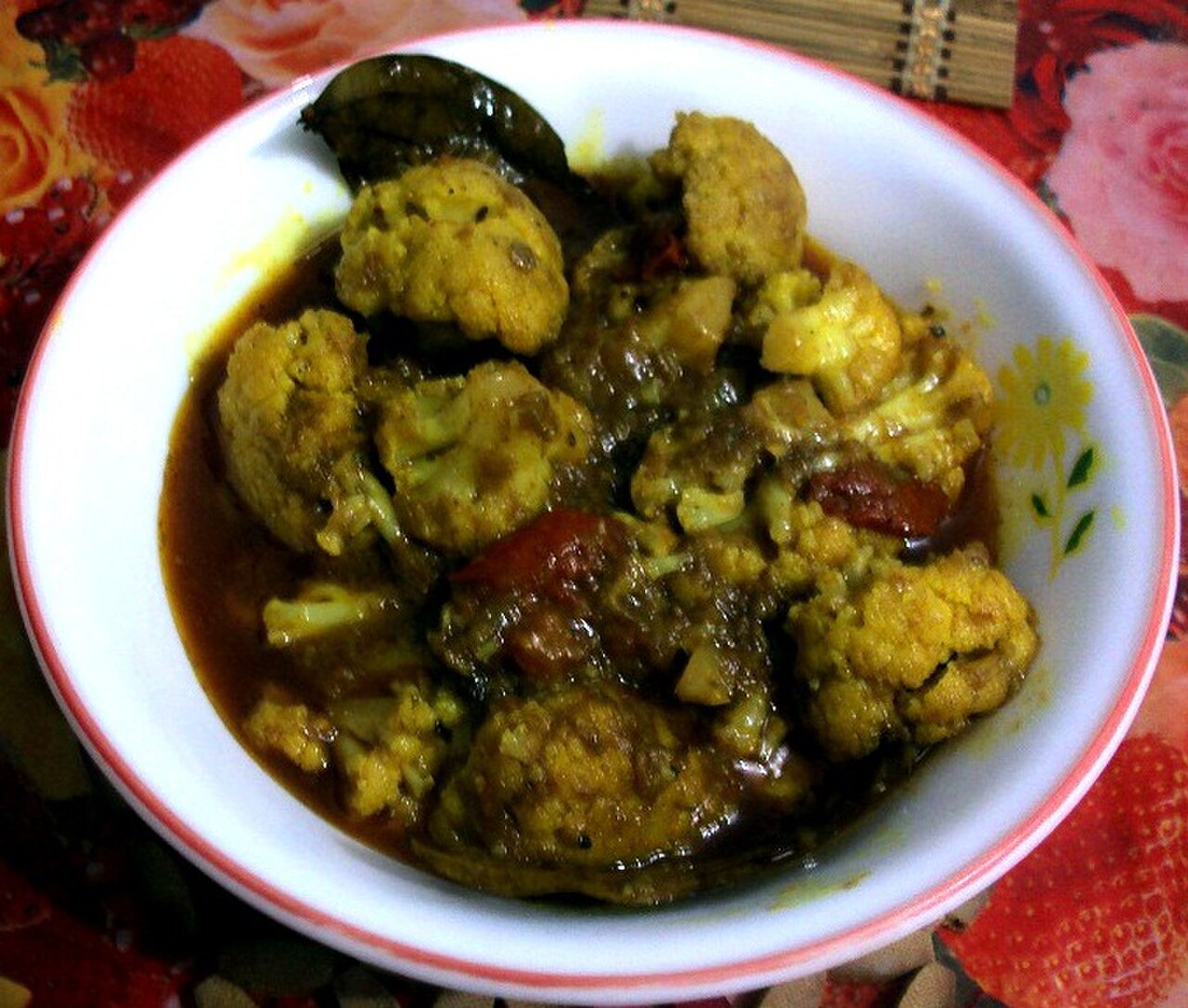
Cauliflower florets roast with turmeric, cumin and coriander.
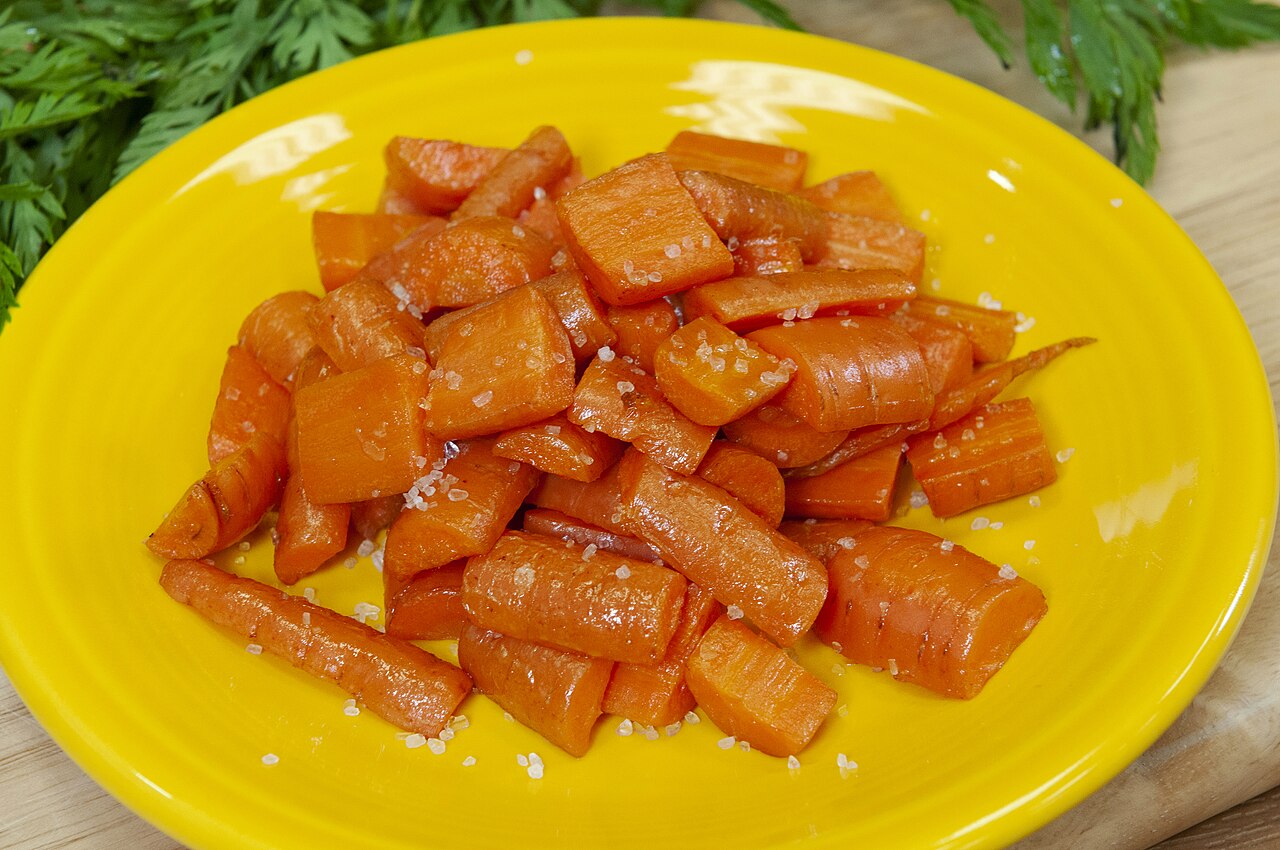
Carrot pieces roast with a little honey and butter until their edges colour.
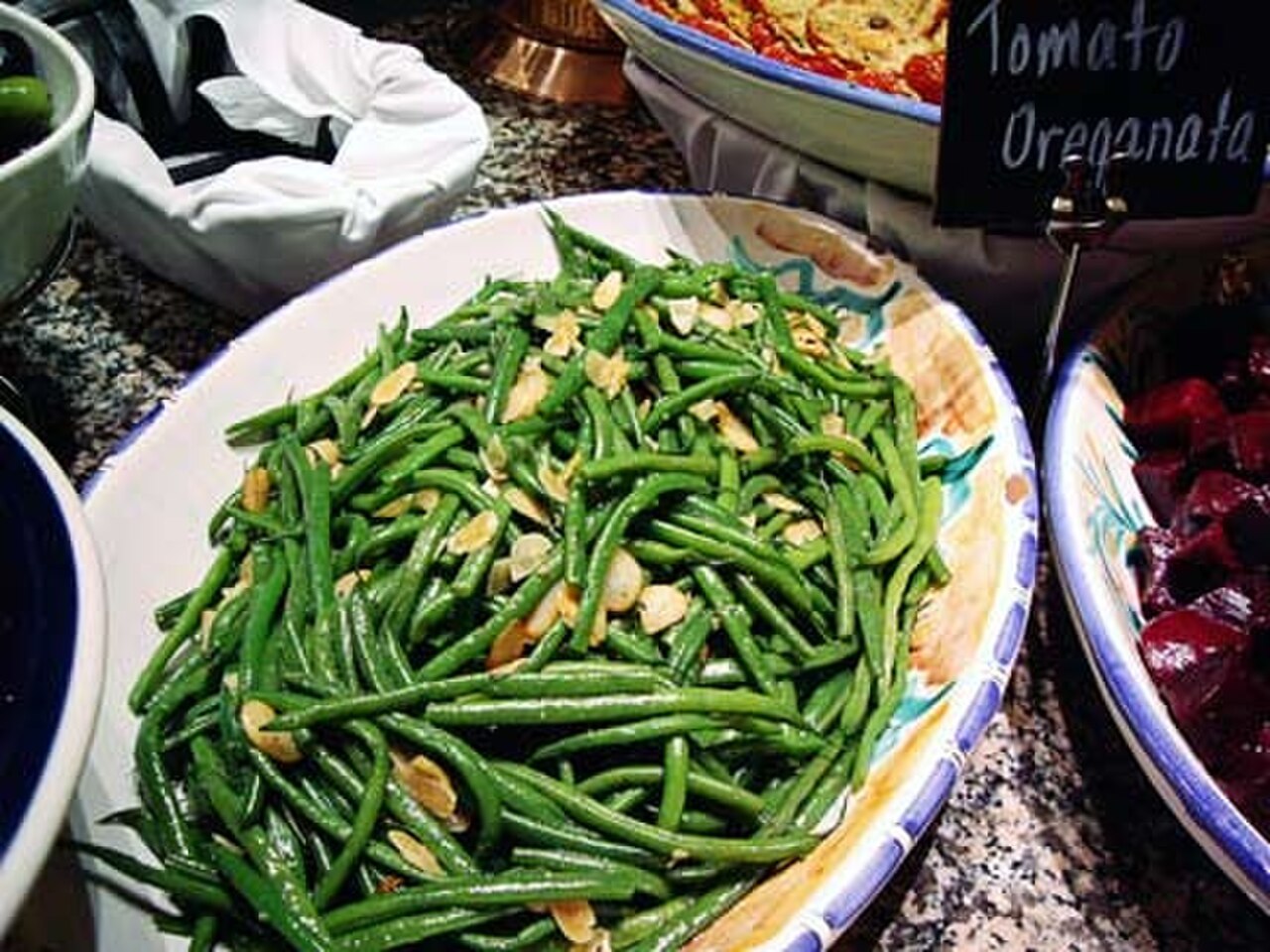
Fully cooked green beans are tossed with toasted almonds and lemon butter.
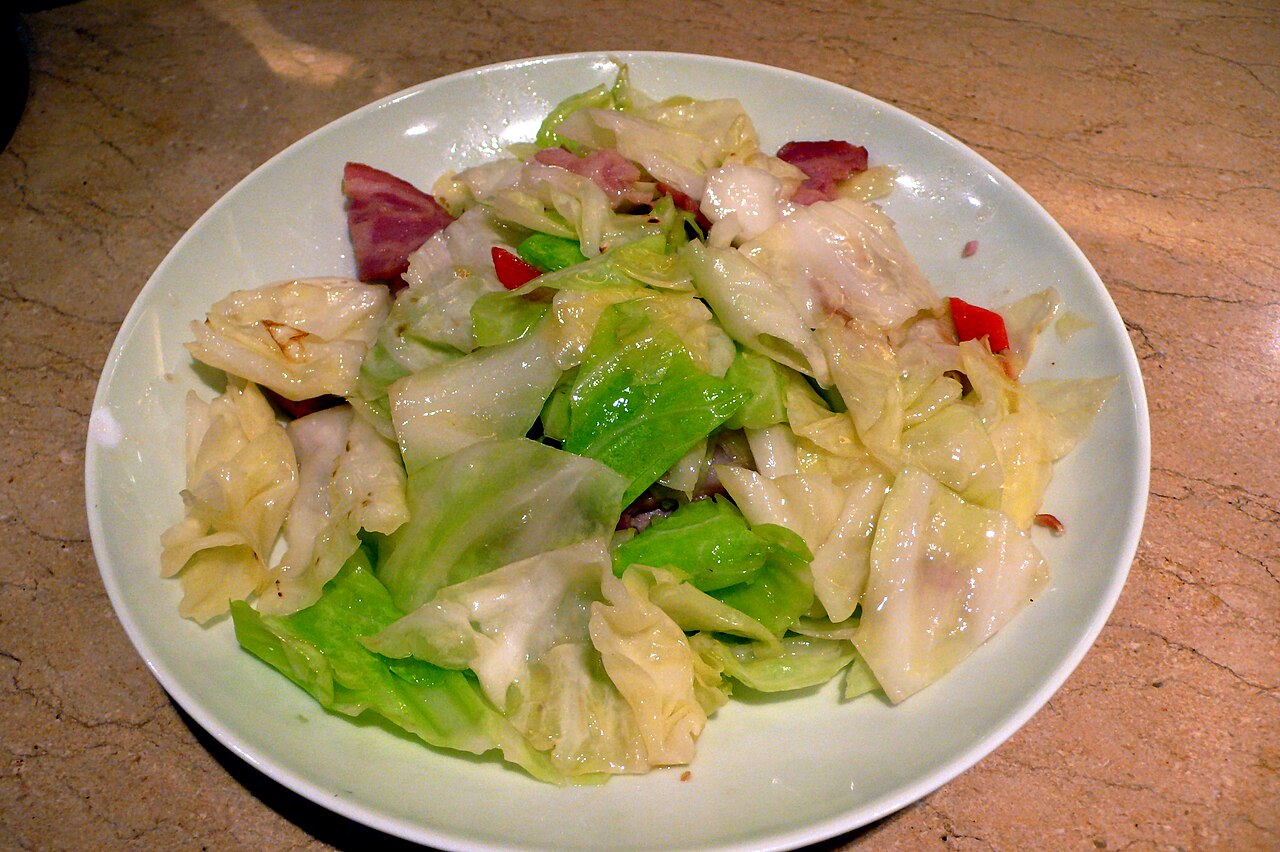
Broad white cabbage pieces fry with bacon, then cook briefly under a lid.
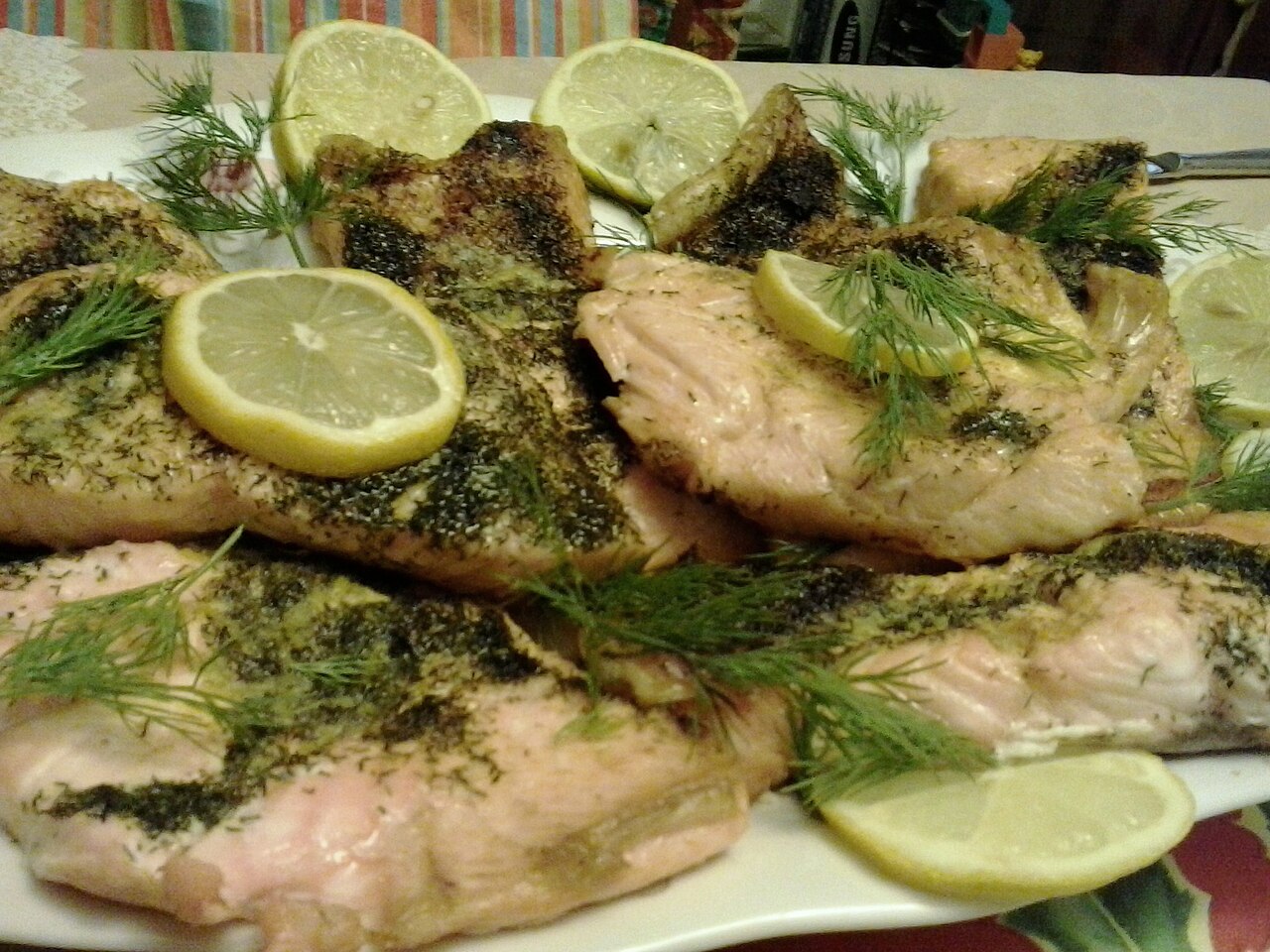
Salmon fillets bake with lemon slices and dill in a shallow dish.
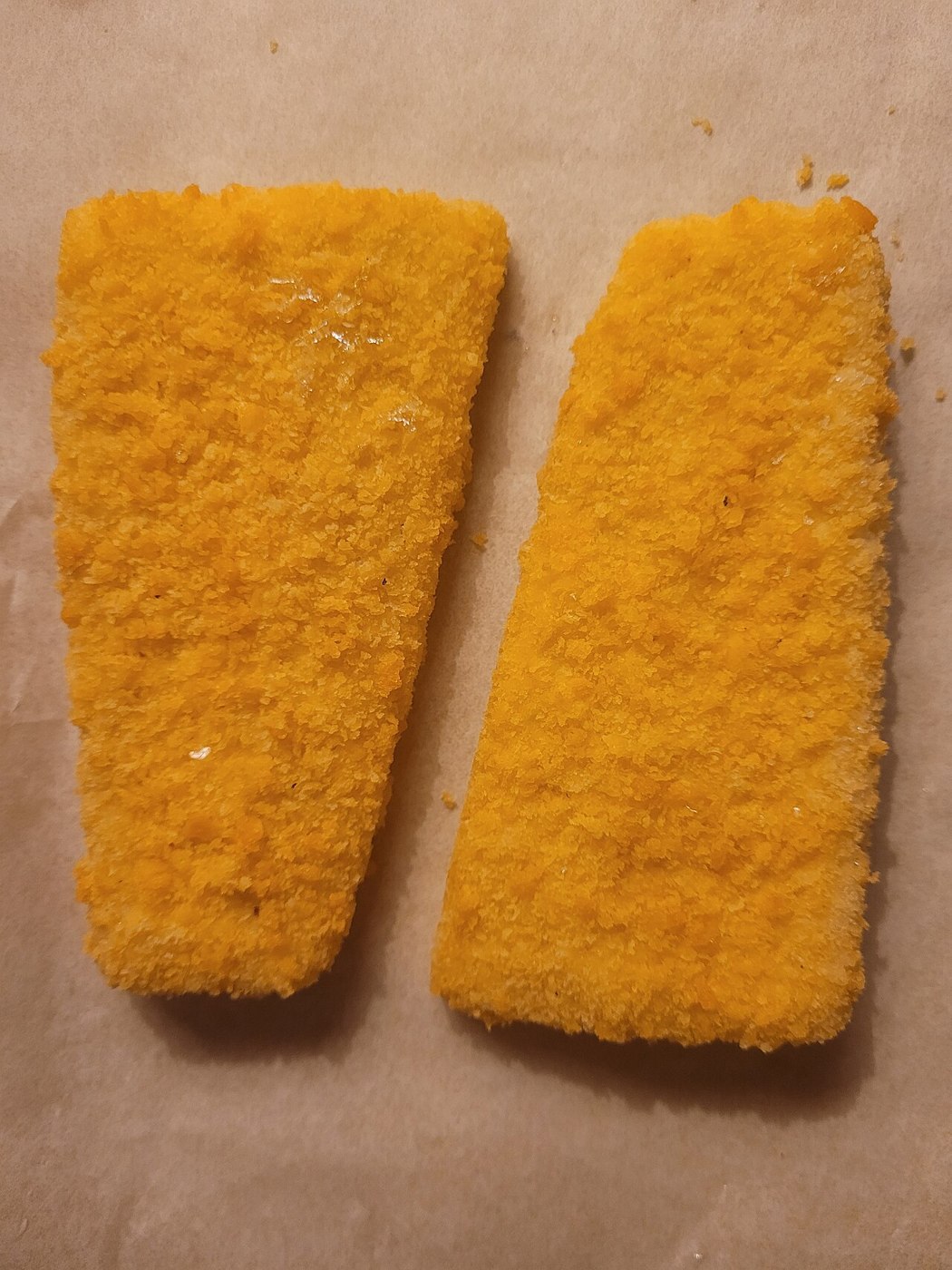
Firm white fish is coated in breadcrumbs and cooked on a baking tray.
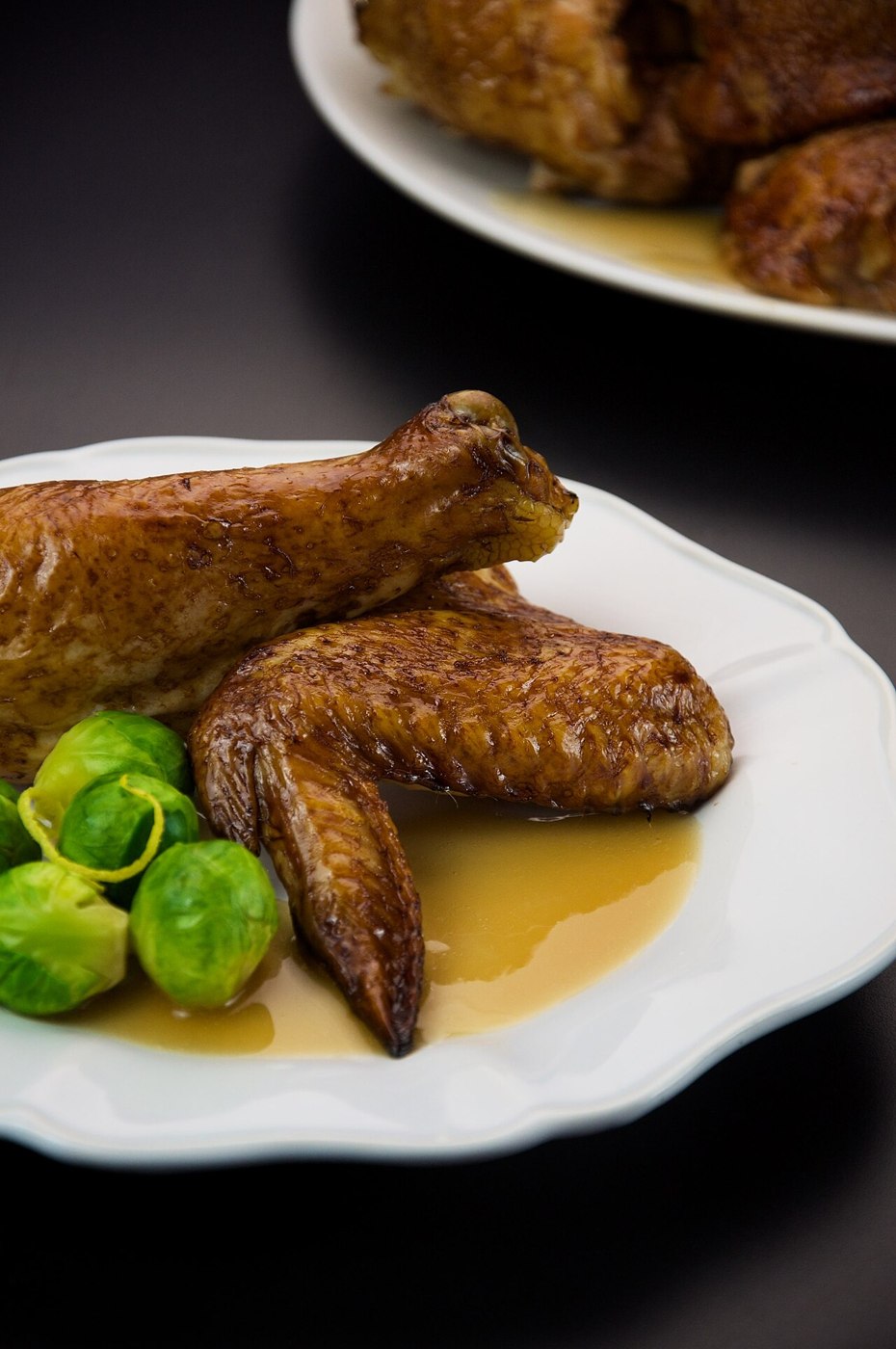
Chicken legs roast with lemon, garlic and herbs until golden.
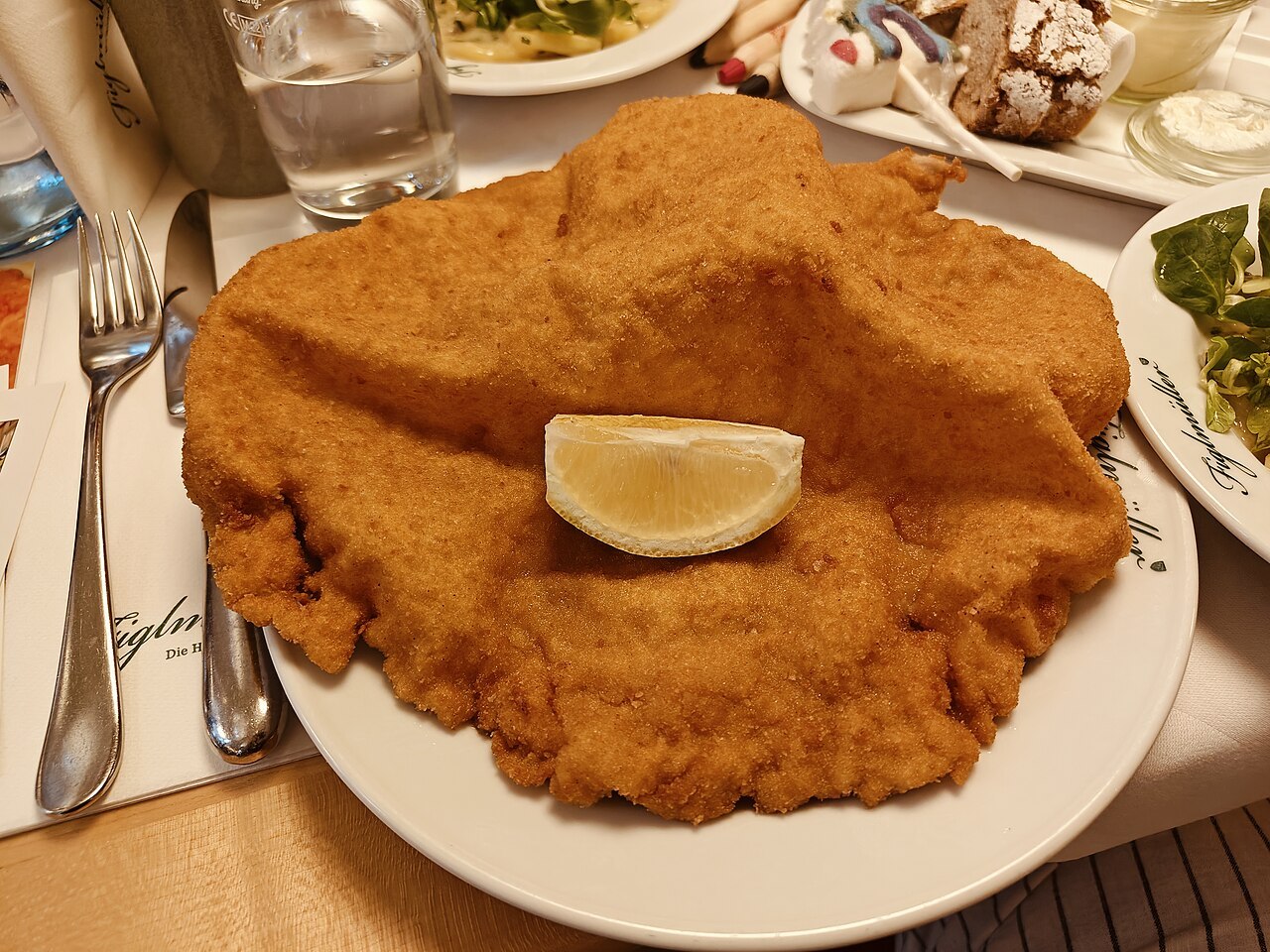
Thin pork cutlets get a loose breadcrumb coating and a golden crust in hot oil.
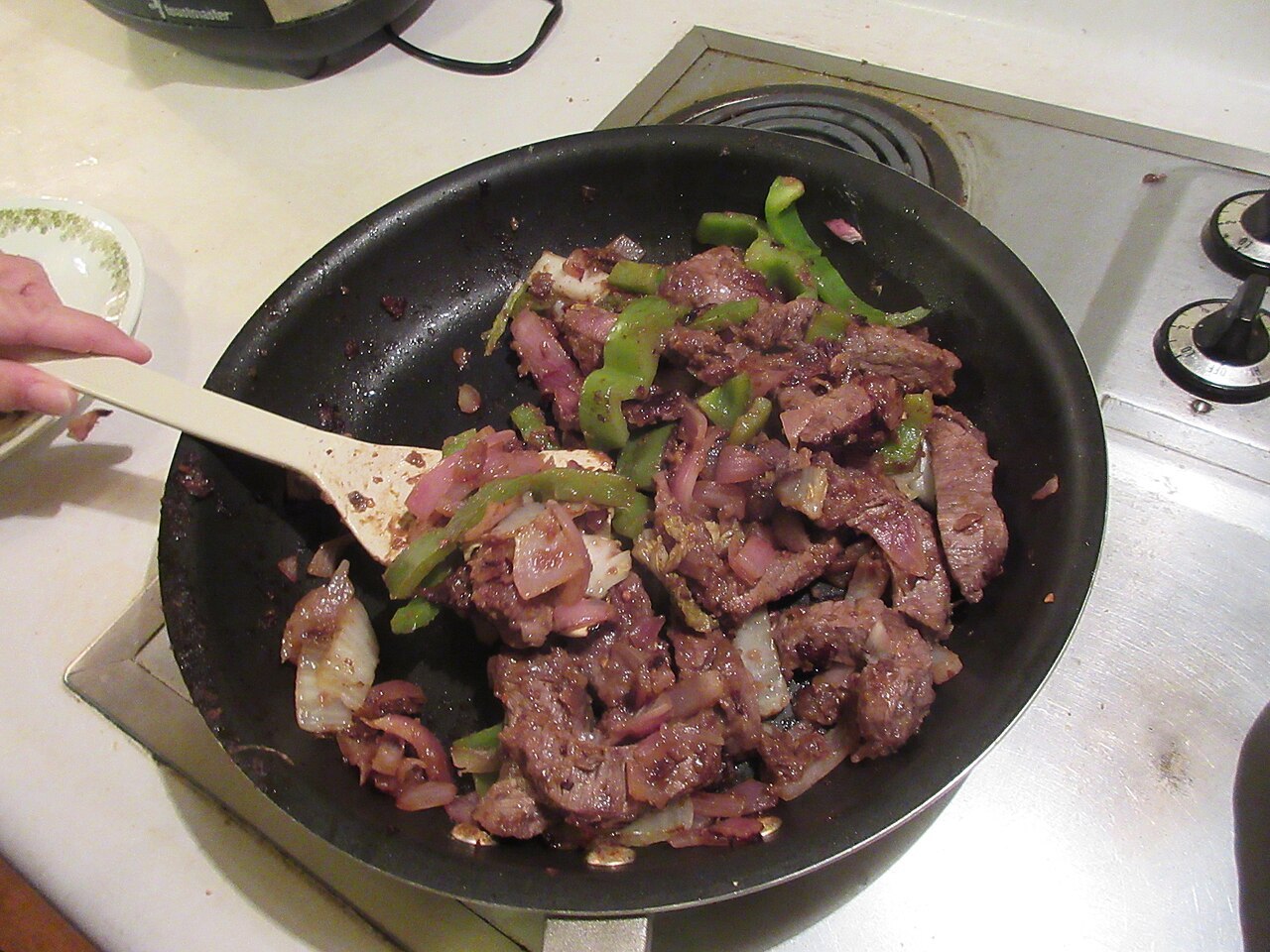
Beef strips, green peppers and red onion are seared separately before a short finish together.
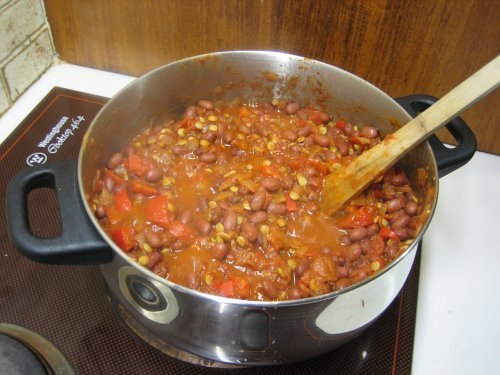
A hearty meat-free pot of kidney beans, sweetcorn, peppers and tomatoes.
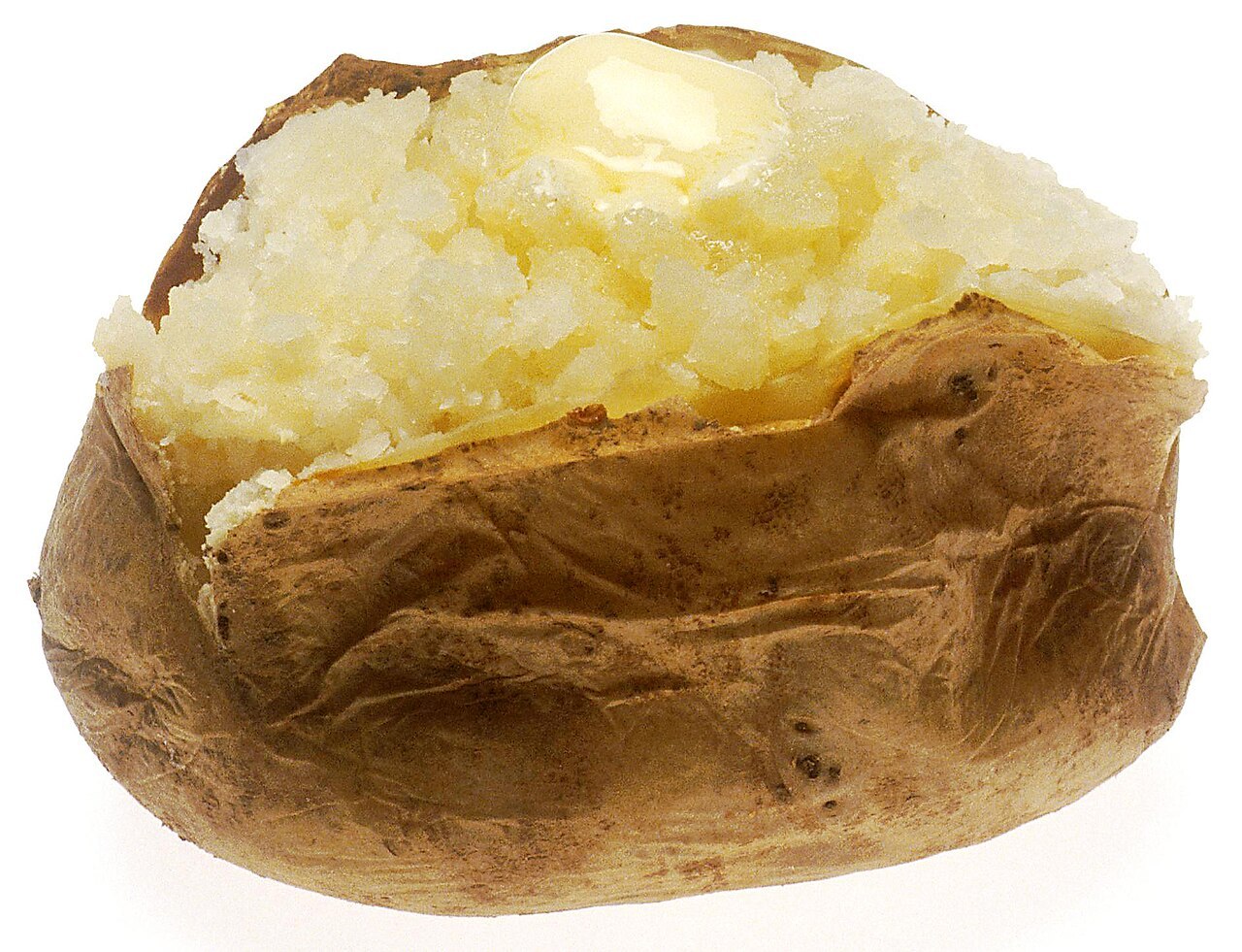
Large potatoes bake on the oven rack, then split open for butter, salt and pepper.
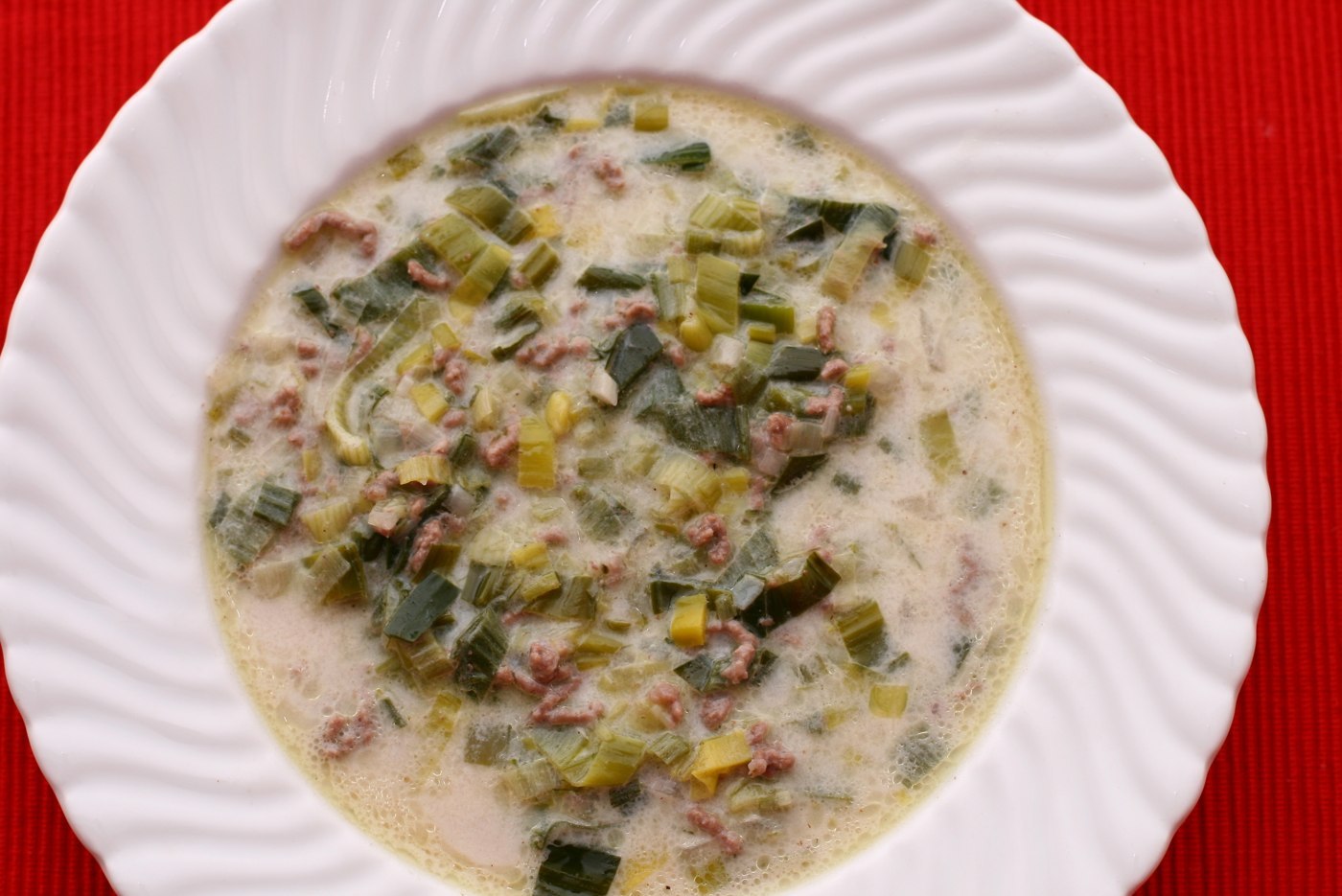
Soft leeks and browned minced beef make a substantial creamy soup with processed cheese.
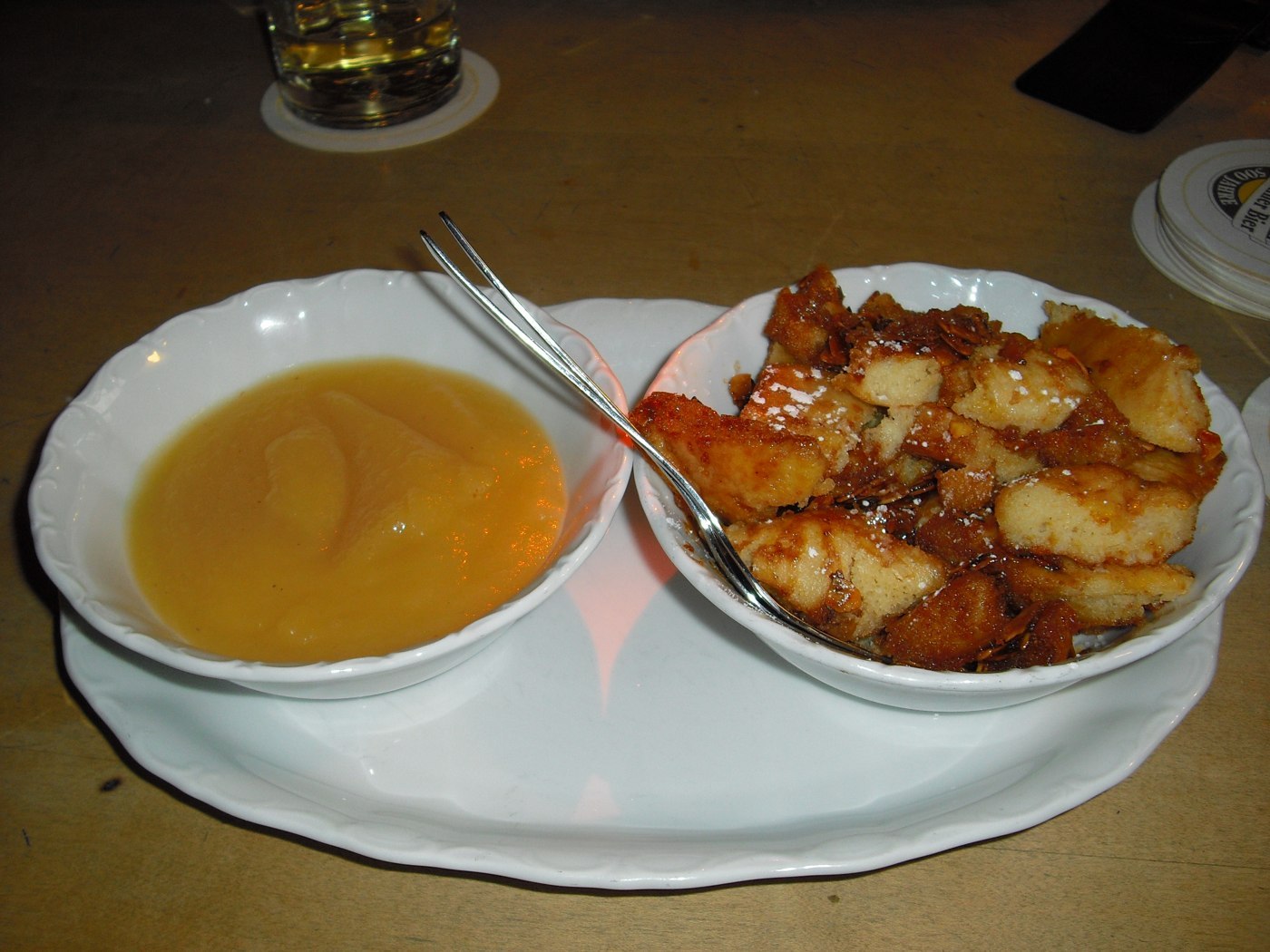
A thick, airy pancake is torn into golden pieces and served with apple sauce.
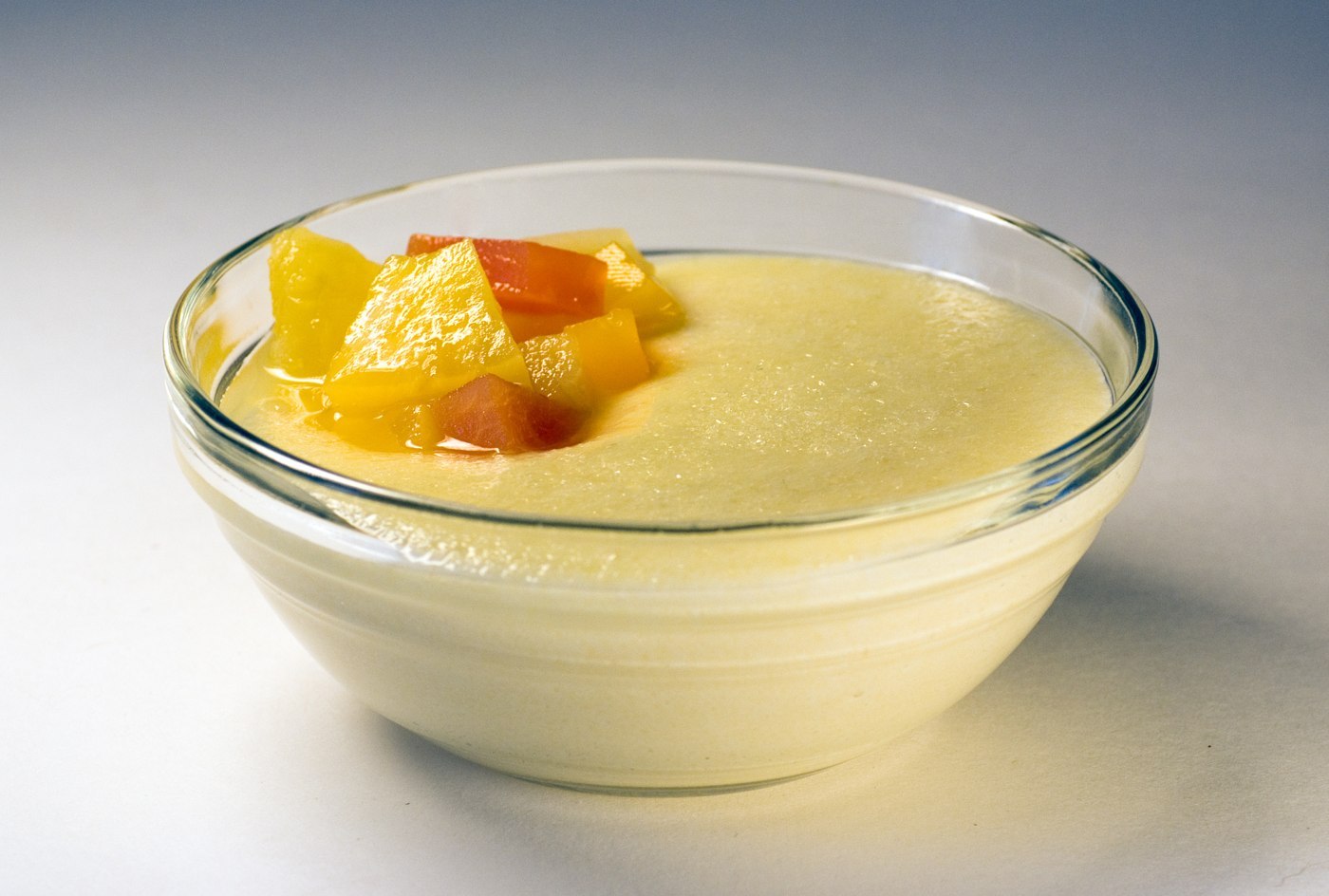
Soft milk semolina is topped with a quick compote made from tinned peaches.
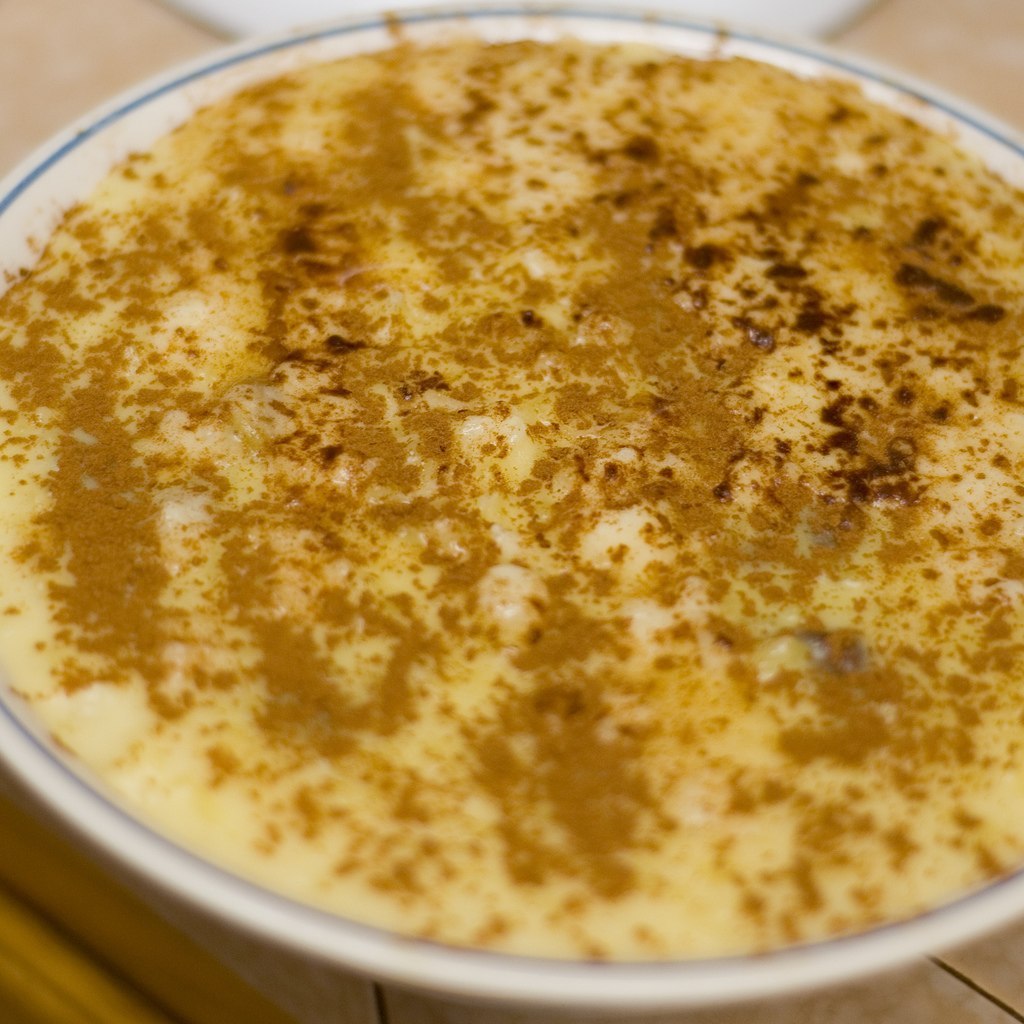
Short-grain rice simmers gently in milk and is served with a little cinnamon sugar.
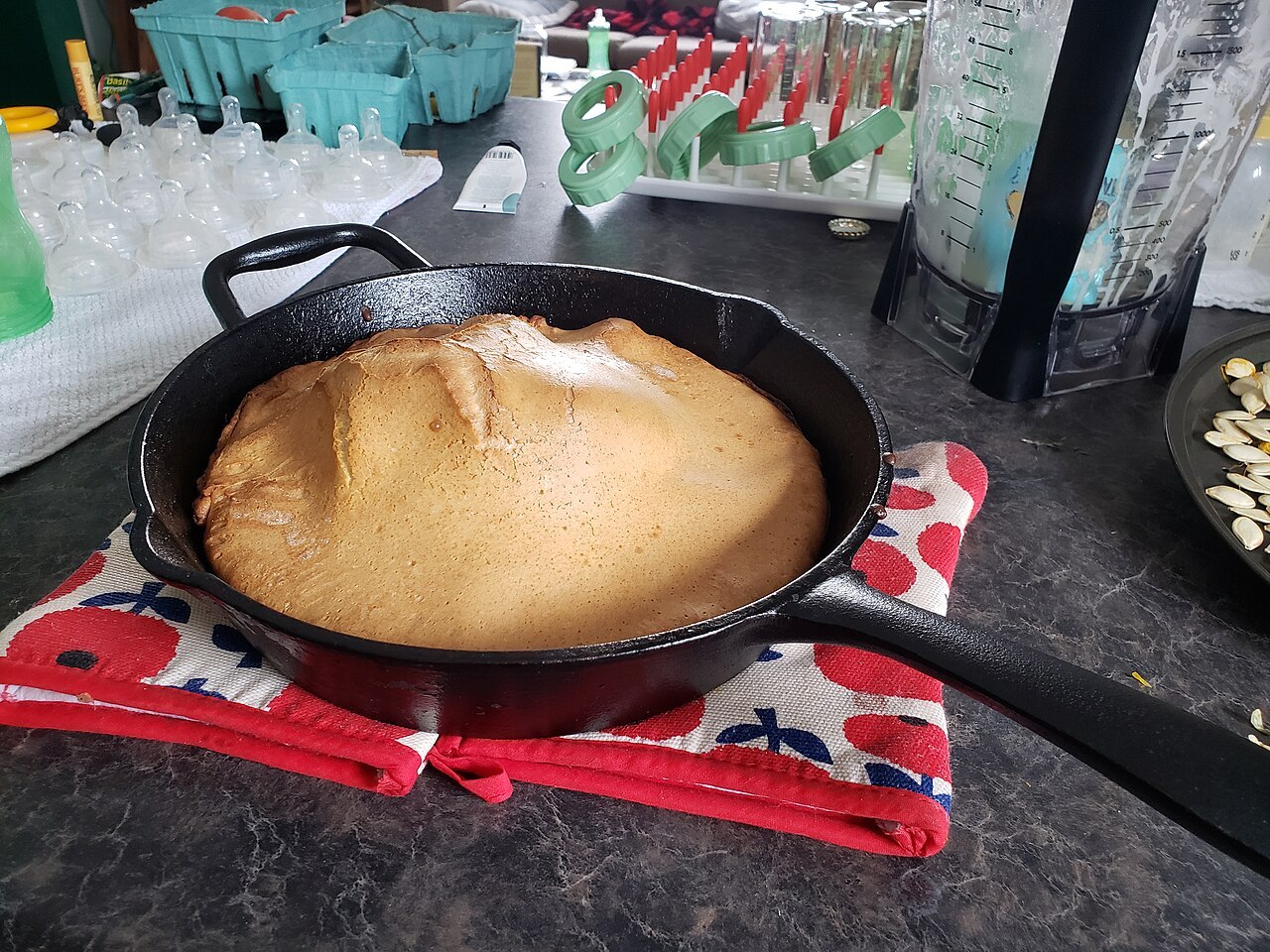
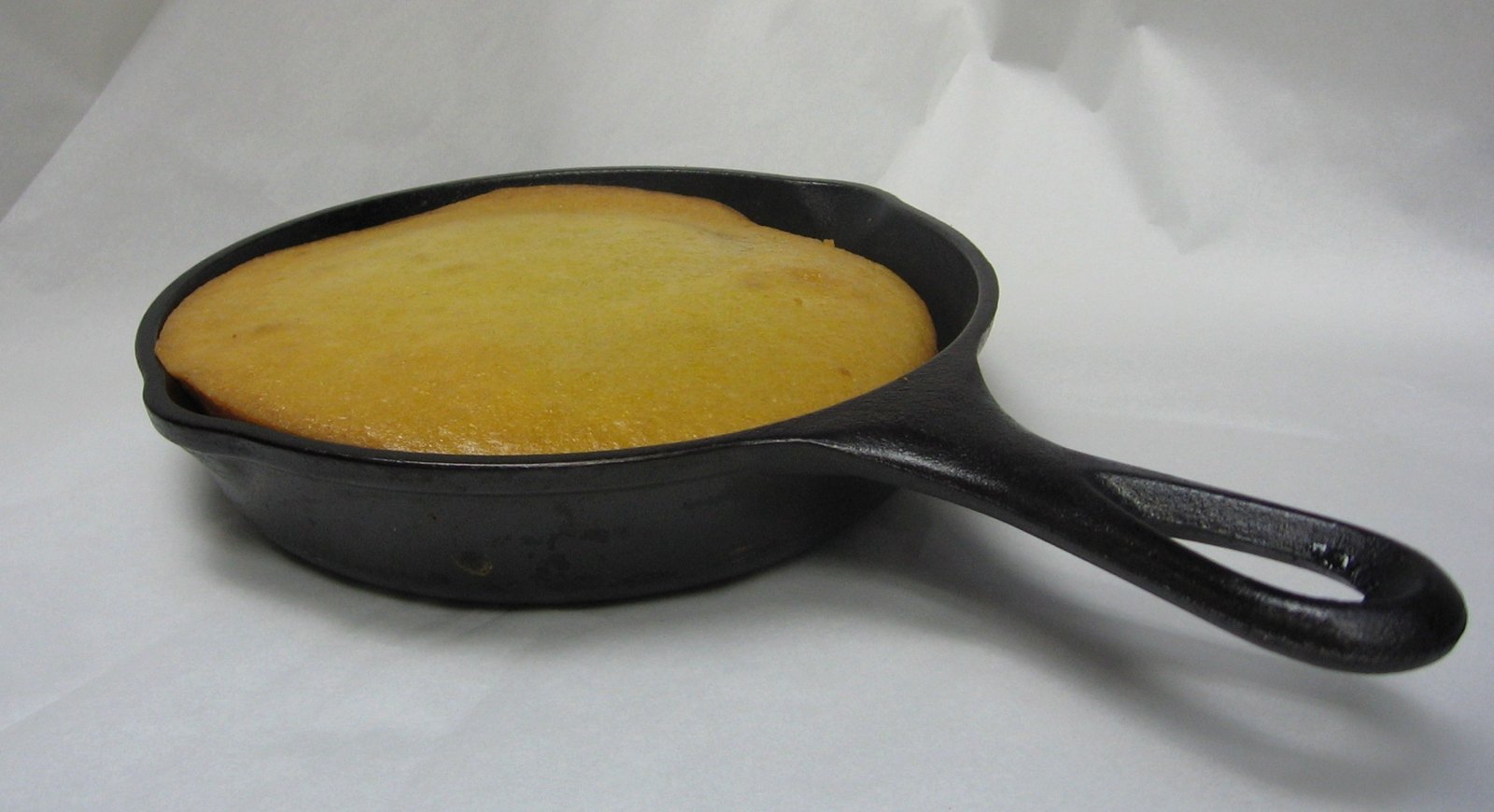
A thin egg-and-milk batter rises into tall golden edges in a hot cast-iron skillet.
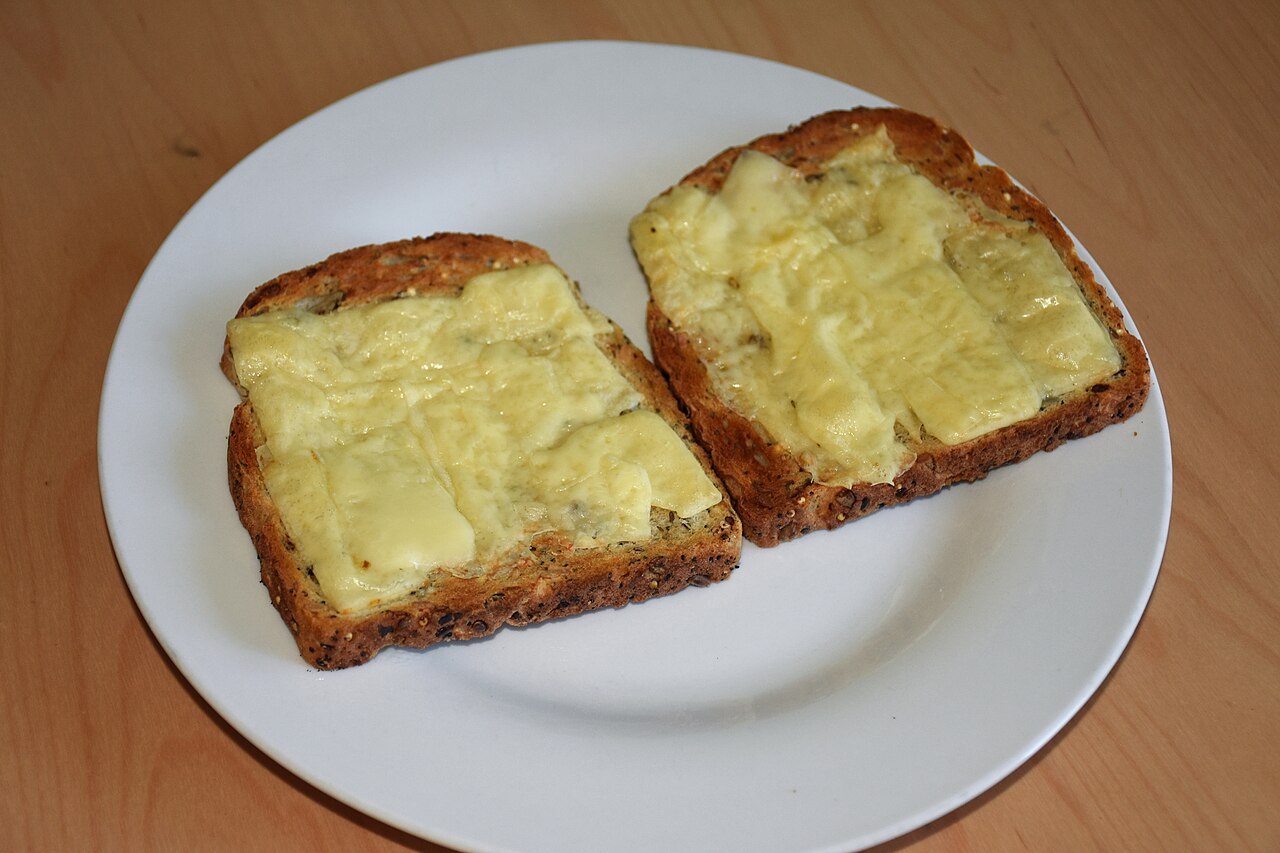
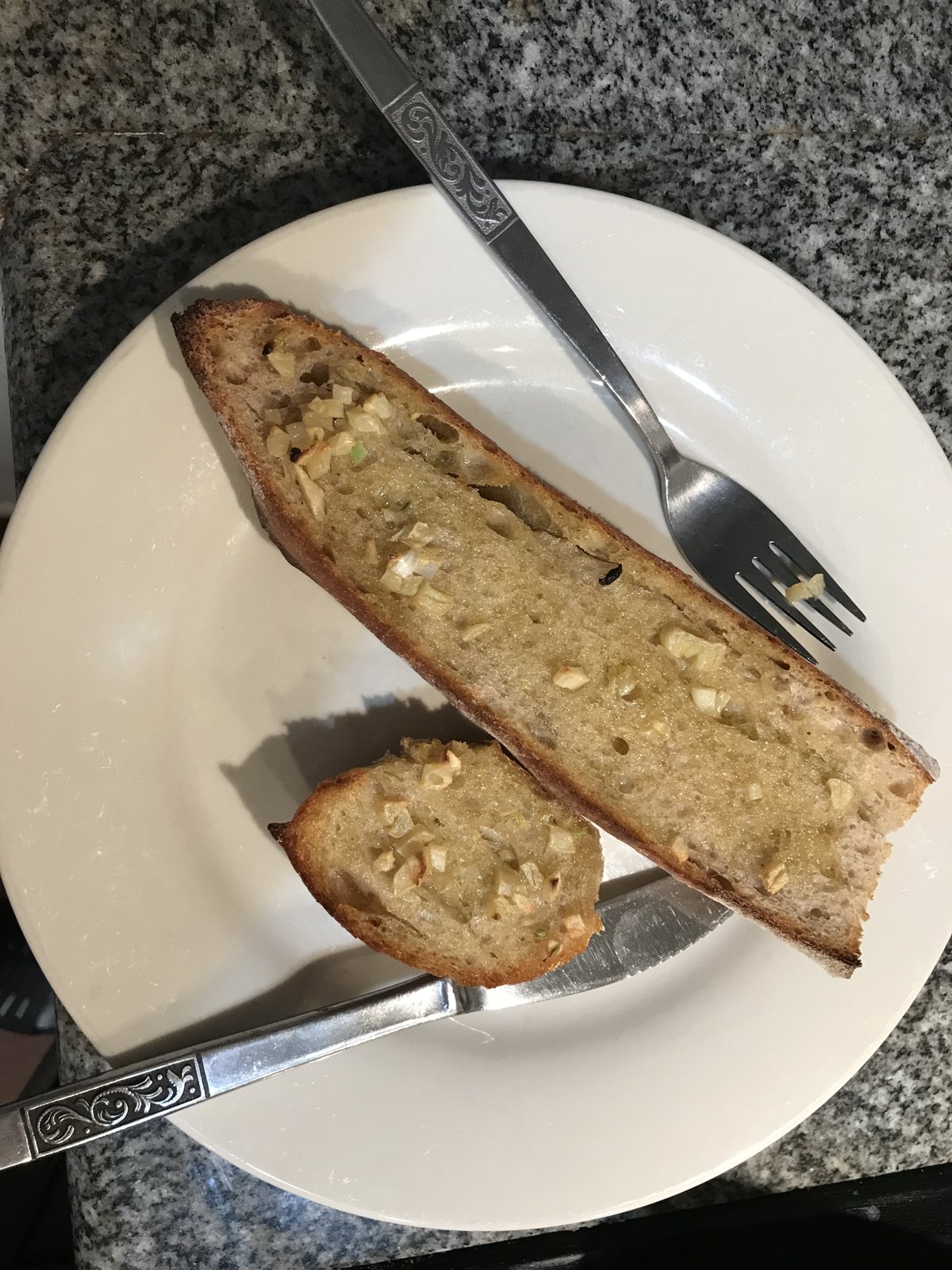
Bread is briefly toasted before being baked under a layer of melted cheddar.
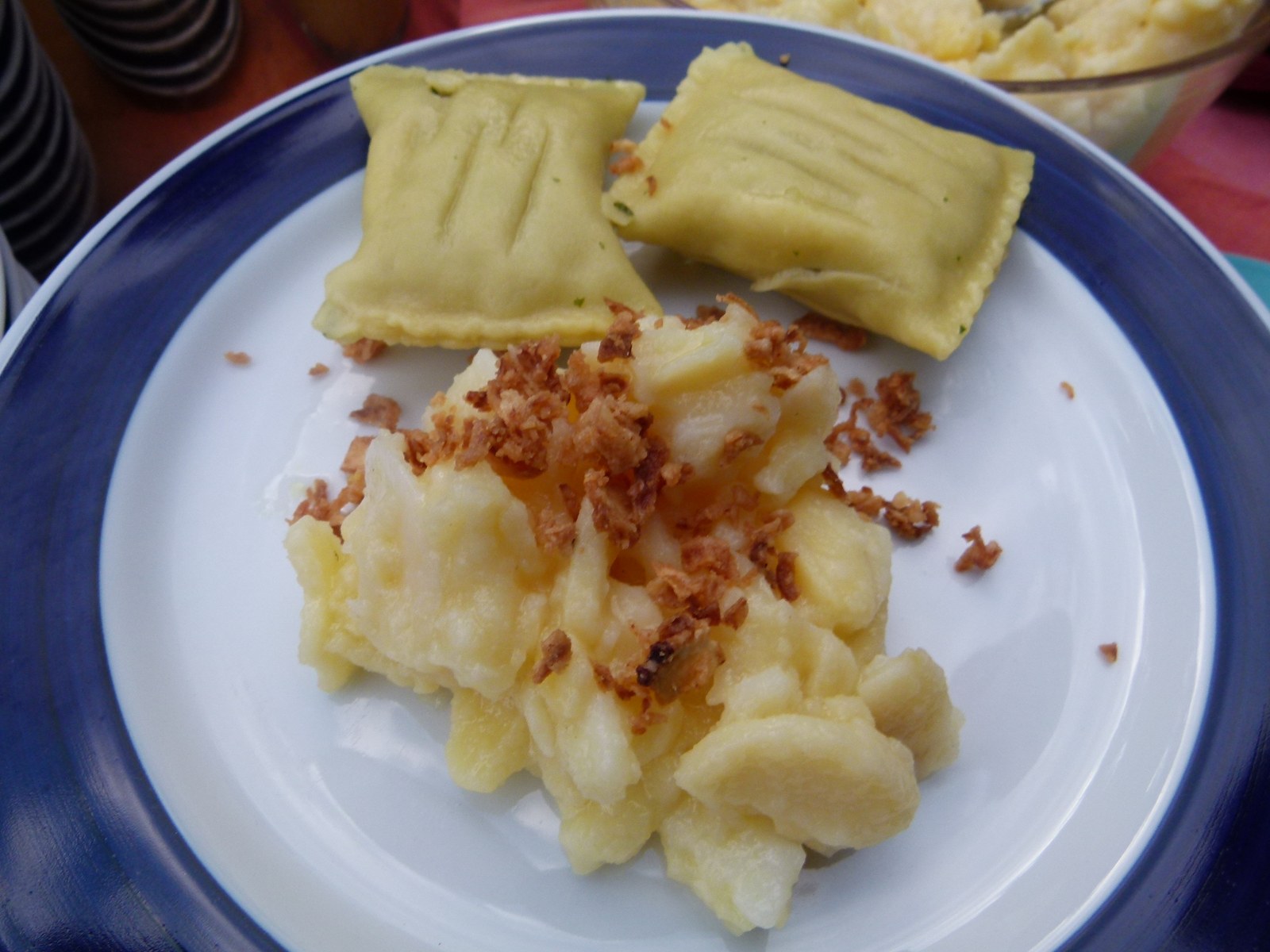
This potato salad uses warm stock and vinegar rather than a creamy dressing.
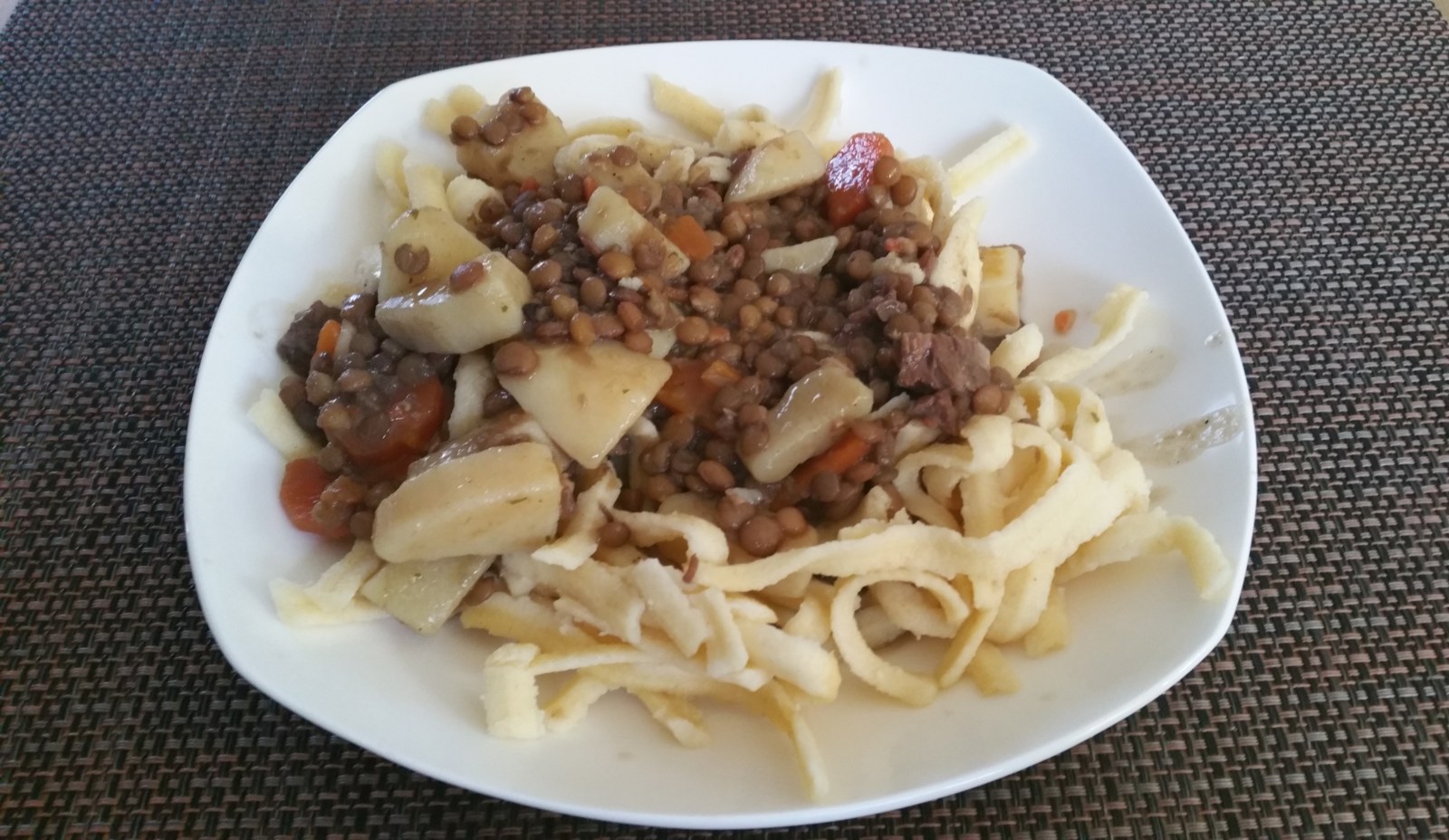
Brown lentils stay recognisable as they cook, creating a substantial sauce with finely diced root vegetables.
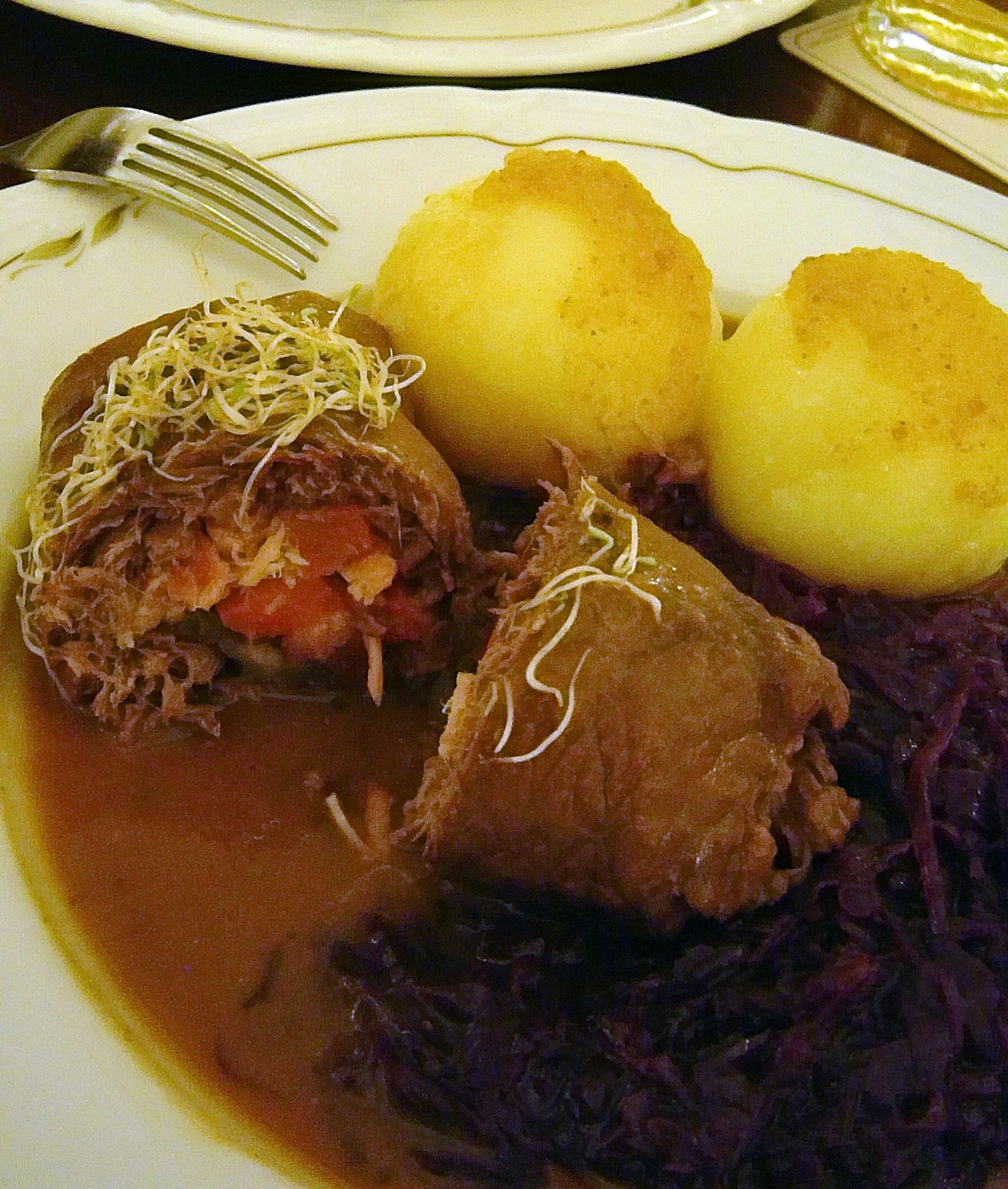
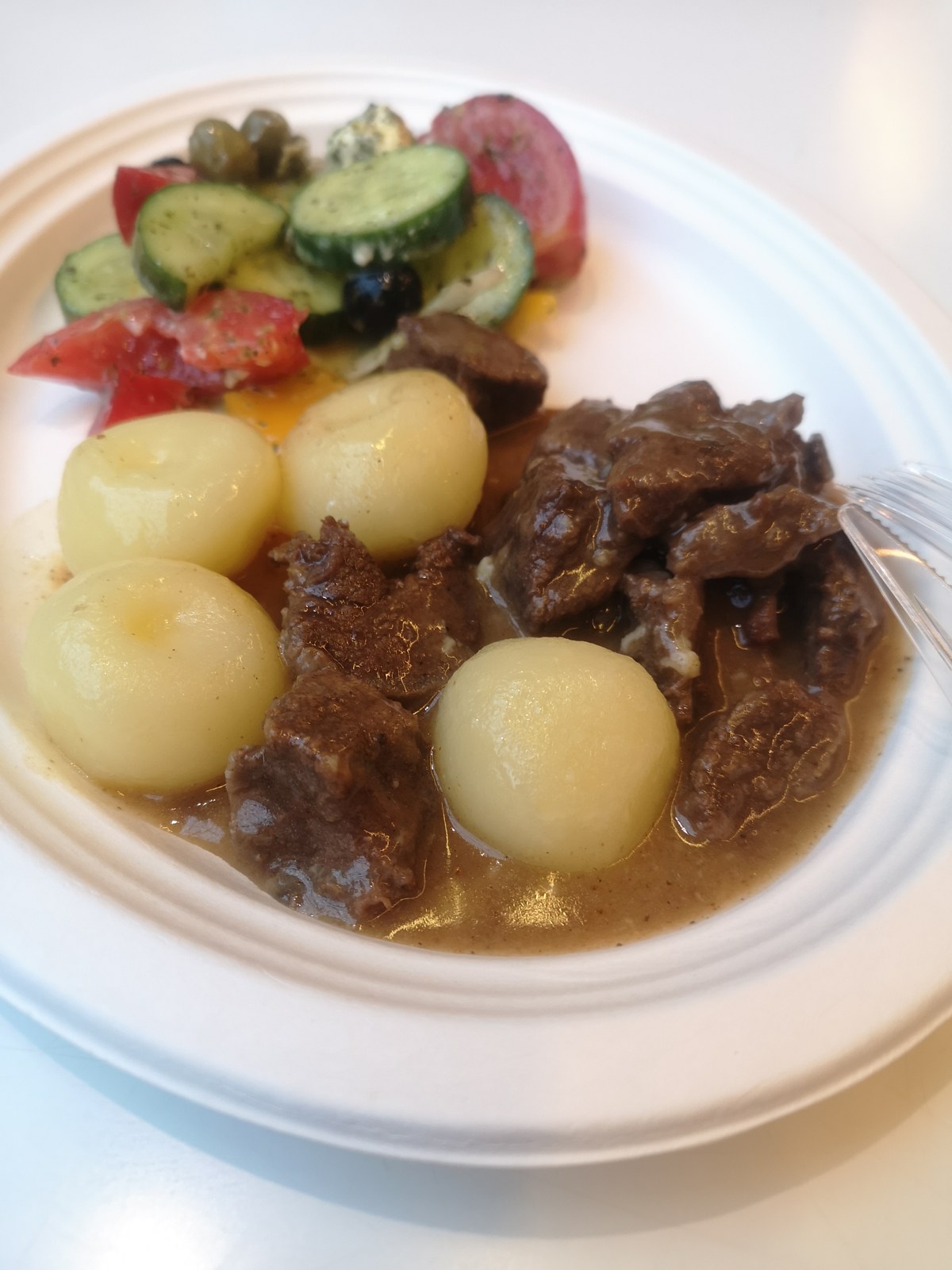
Thin beef slices are wrapped around mustard, bacon, onion and gherkins, then browned and gently braised in a vegetable-rich stock.
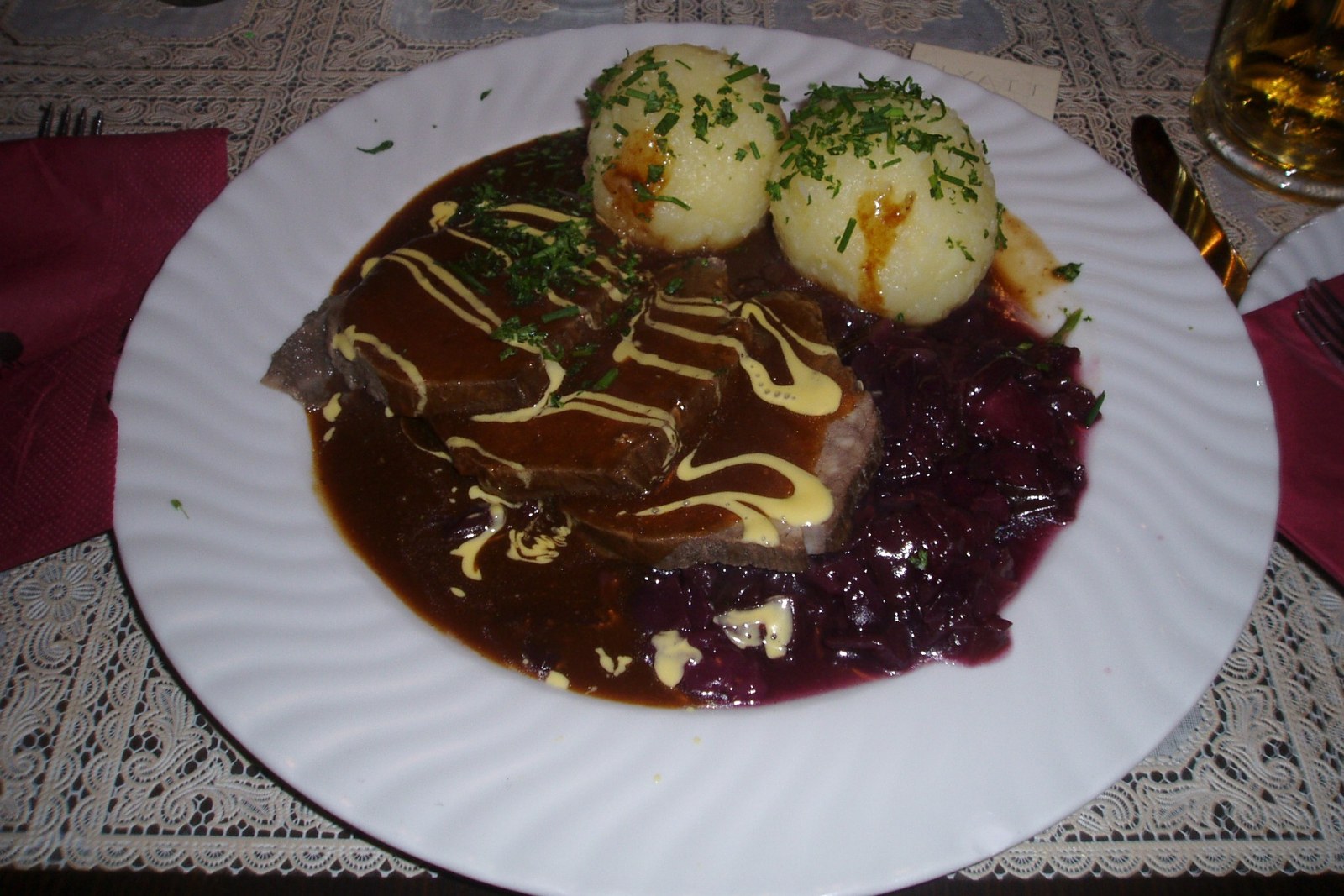
Sauerbraten starts two days before dinner.
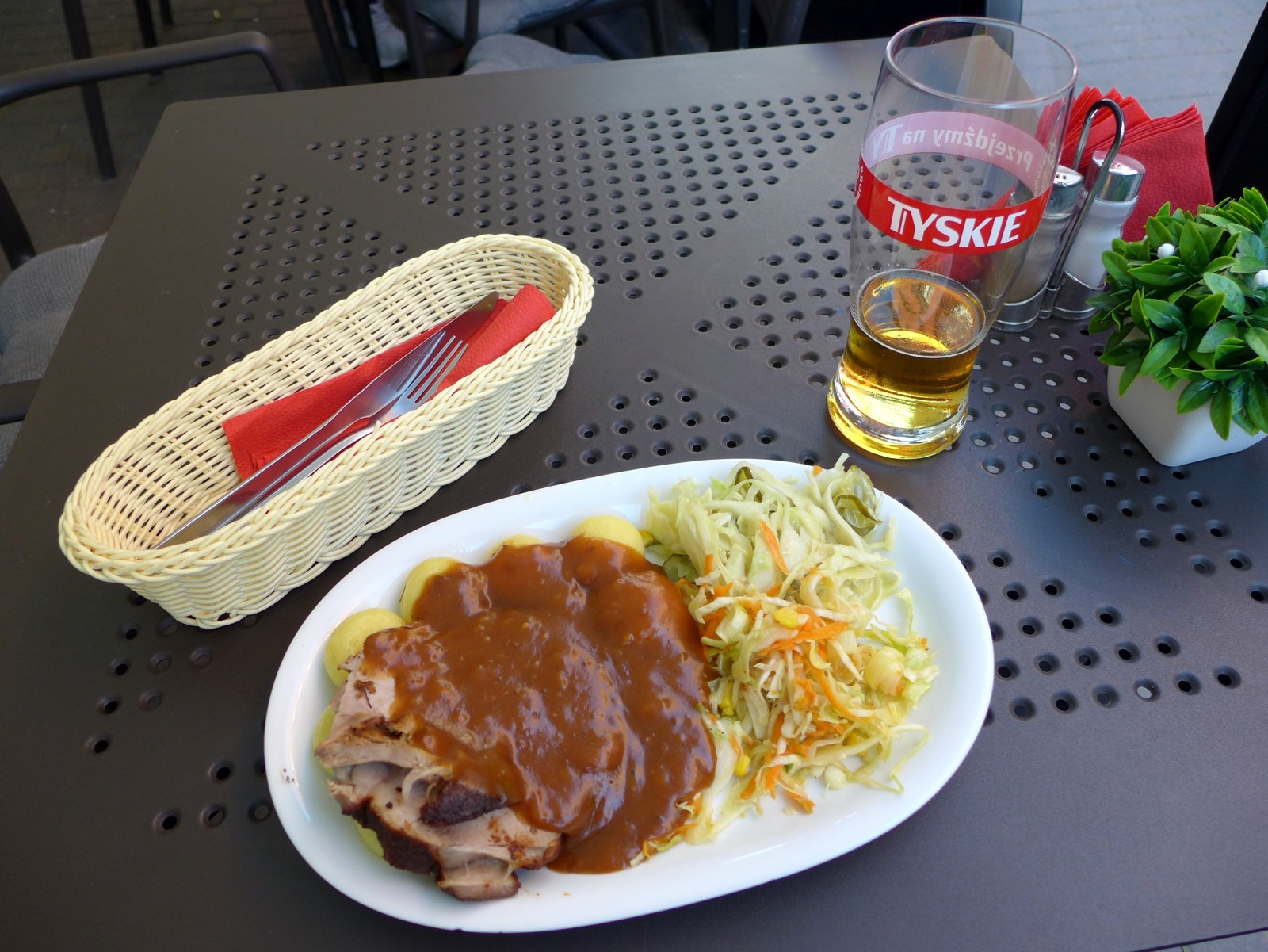
Slow-roasted pork shoulder stays succulent and can be sliced after a short rest.
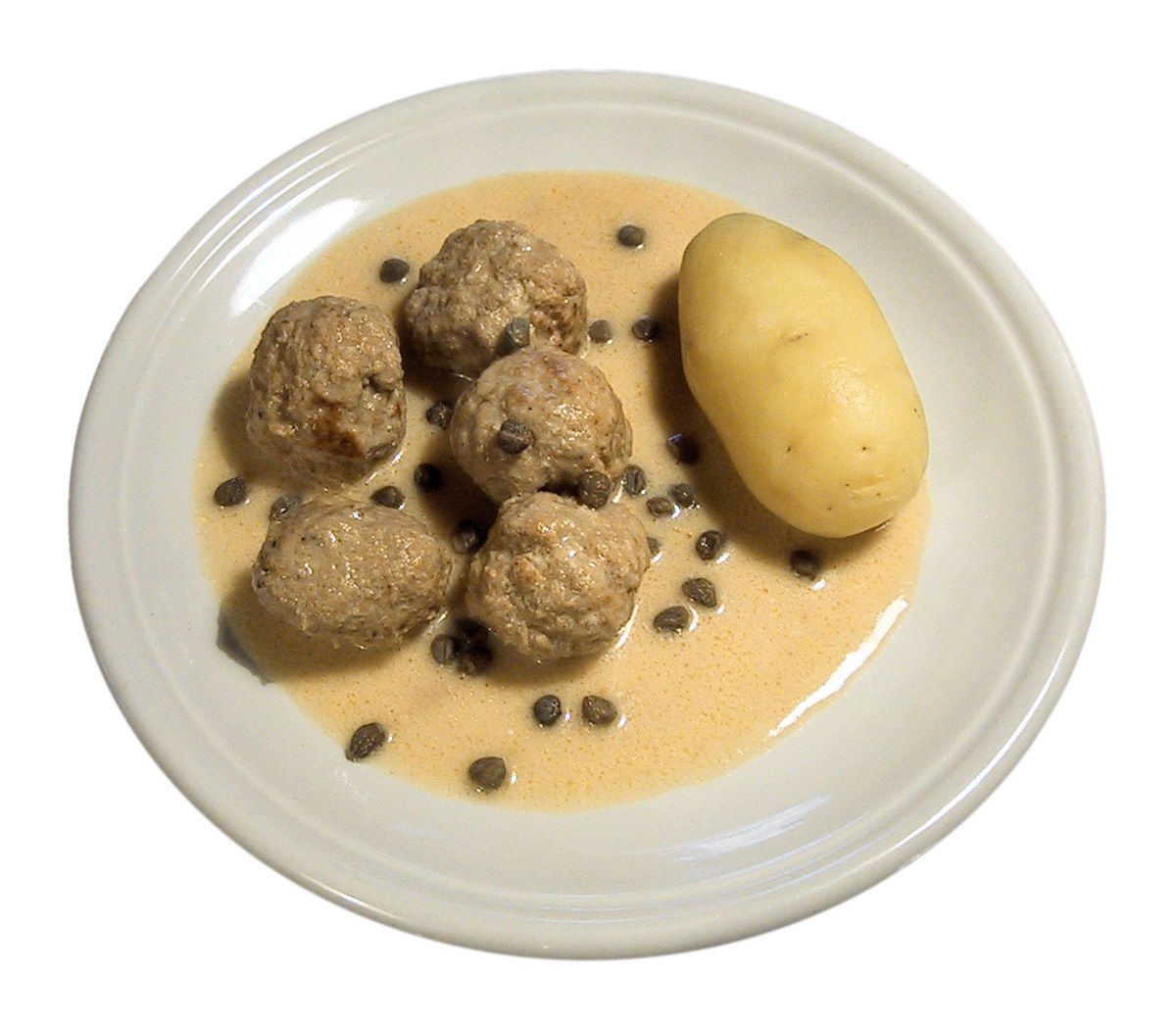
These meatballs are gently poached in stock, keeping them pale and tender.
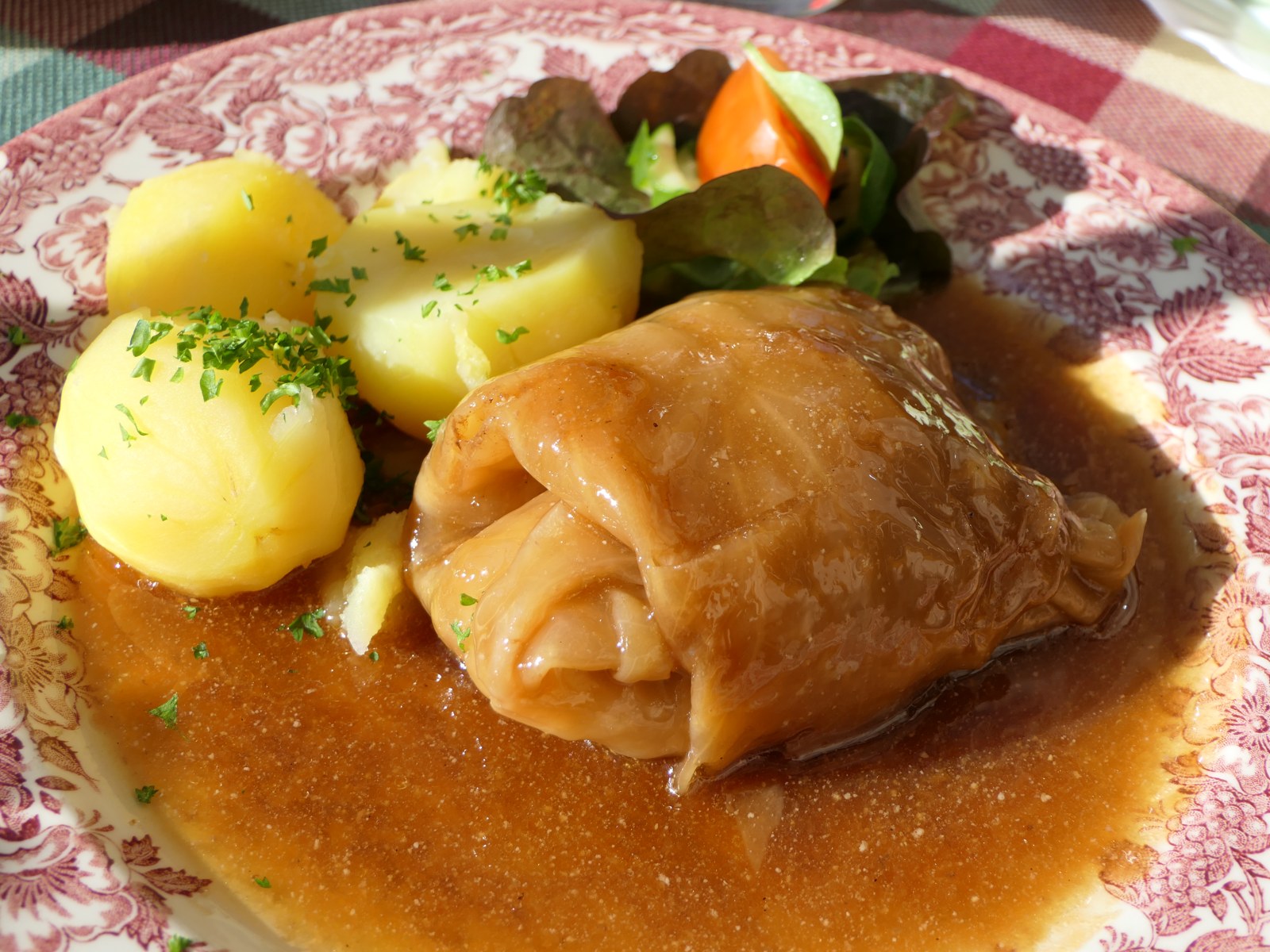
Large white cabbage leaves make a tender wrapper for seasoned minced meat.
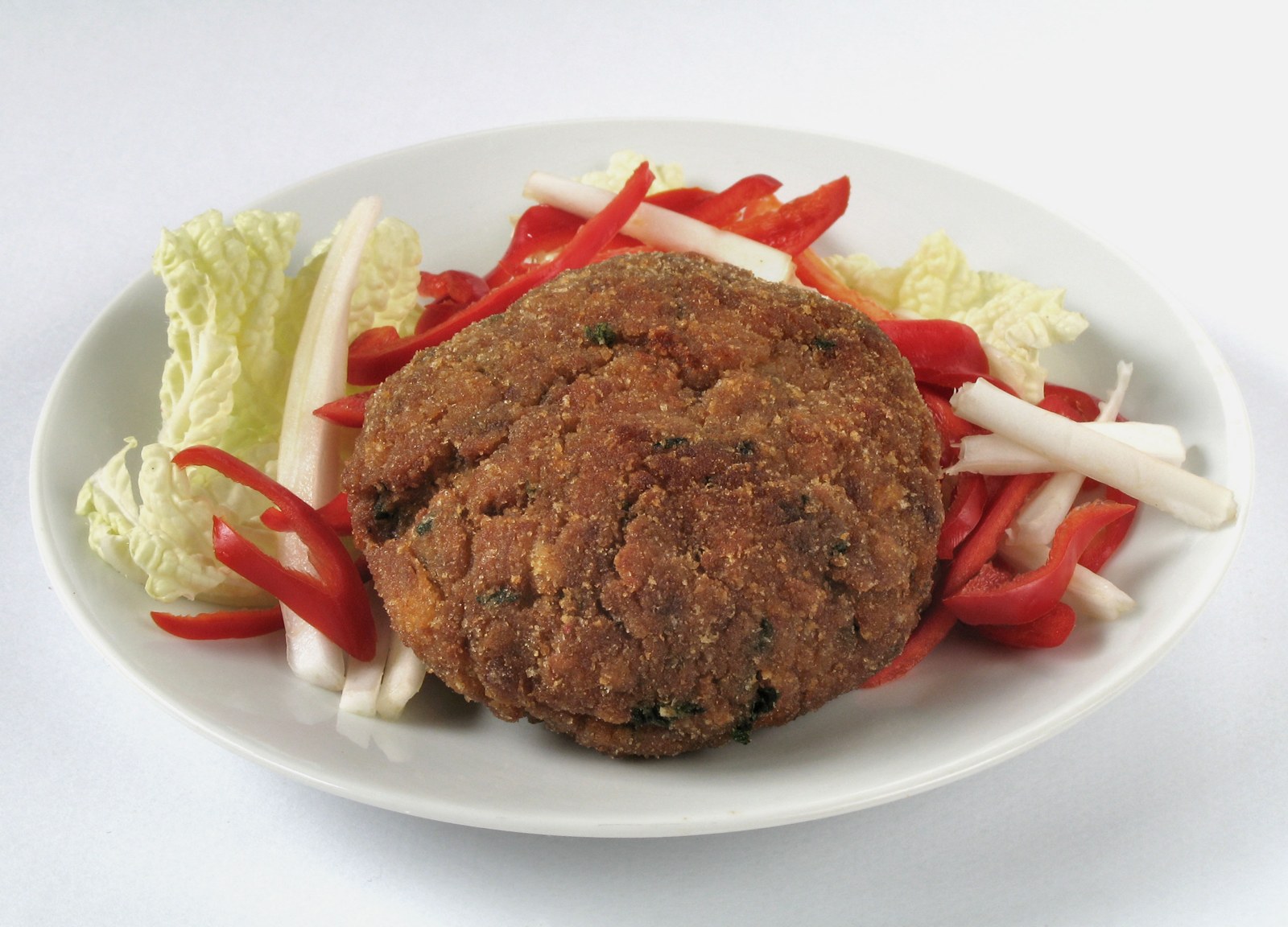
These patties should brown on the outside while staying tender within.
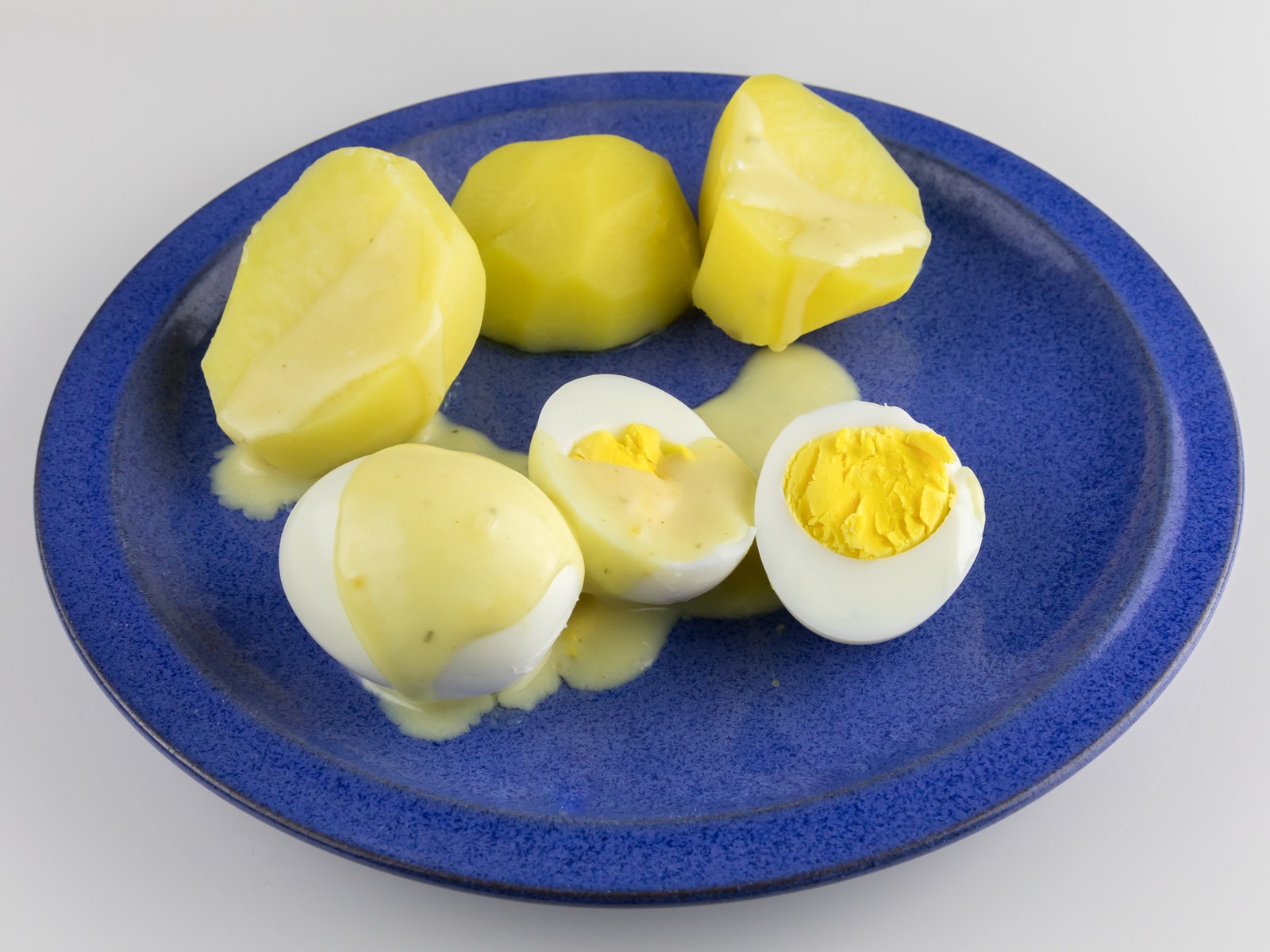
With so few ingredients, this dish depends on a carefully balanced sauce.
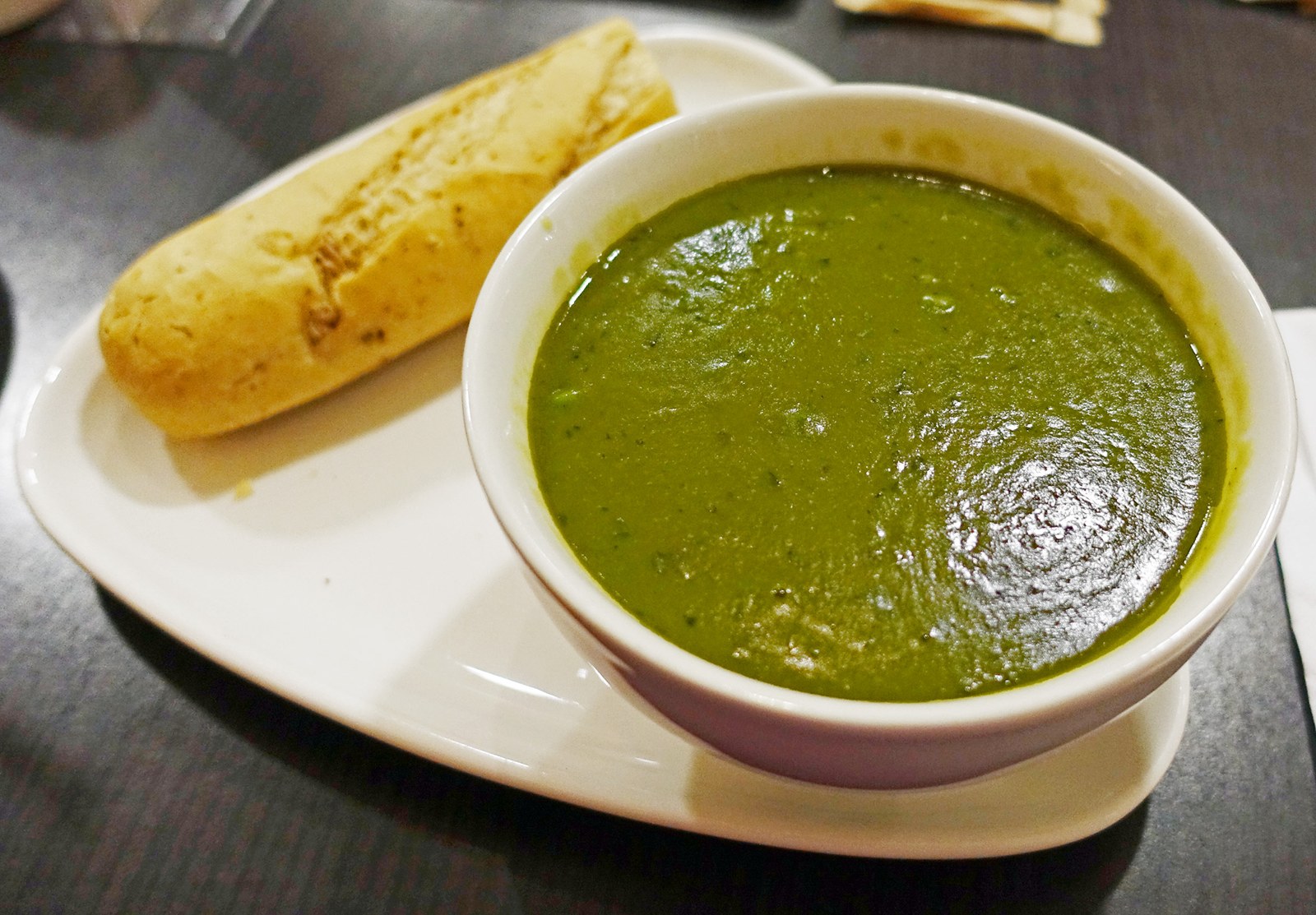
Green split peas gradually break down as they cook, giving this soup its creamy body.
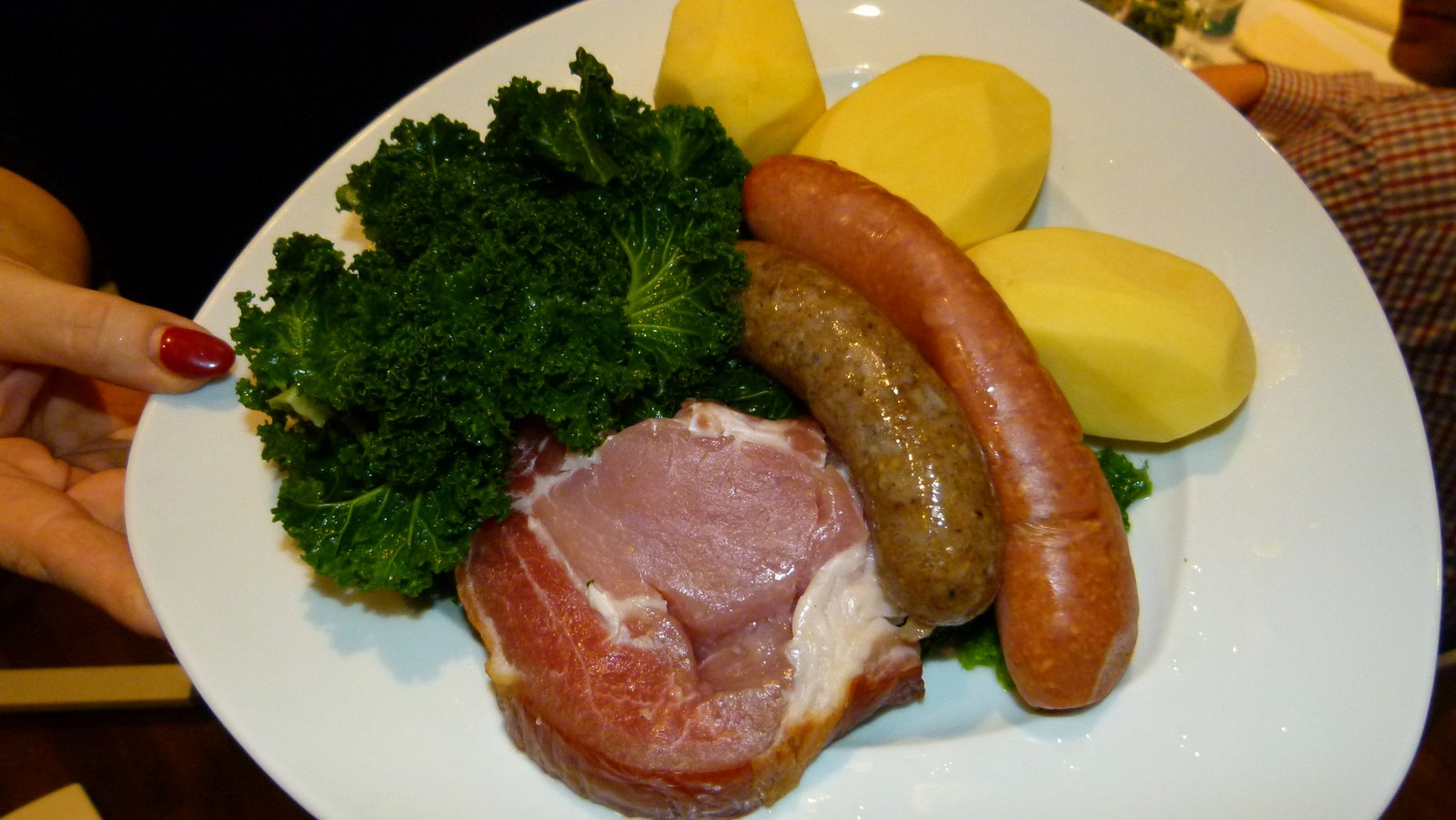
Kale tolerates slow cooking and absorbs the flavour of onions and smoked sausage.
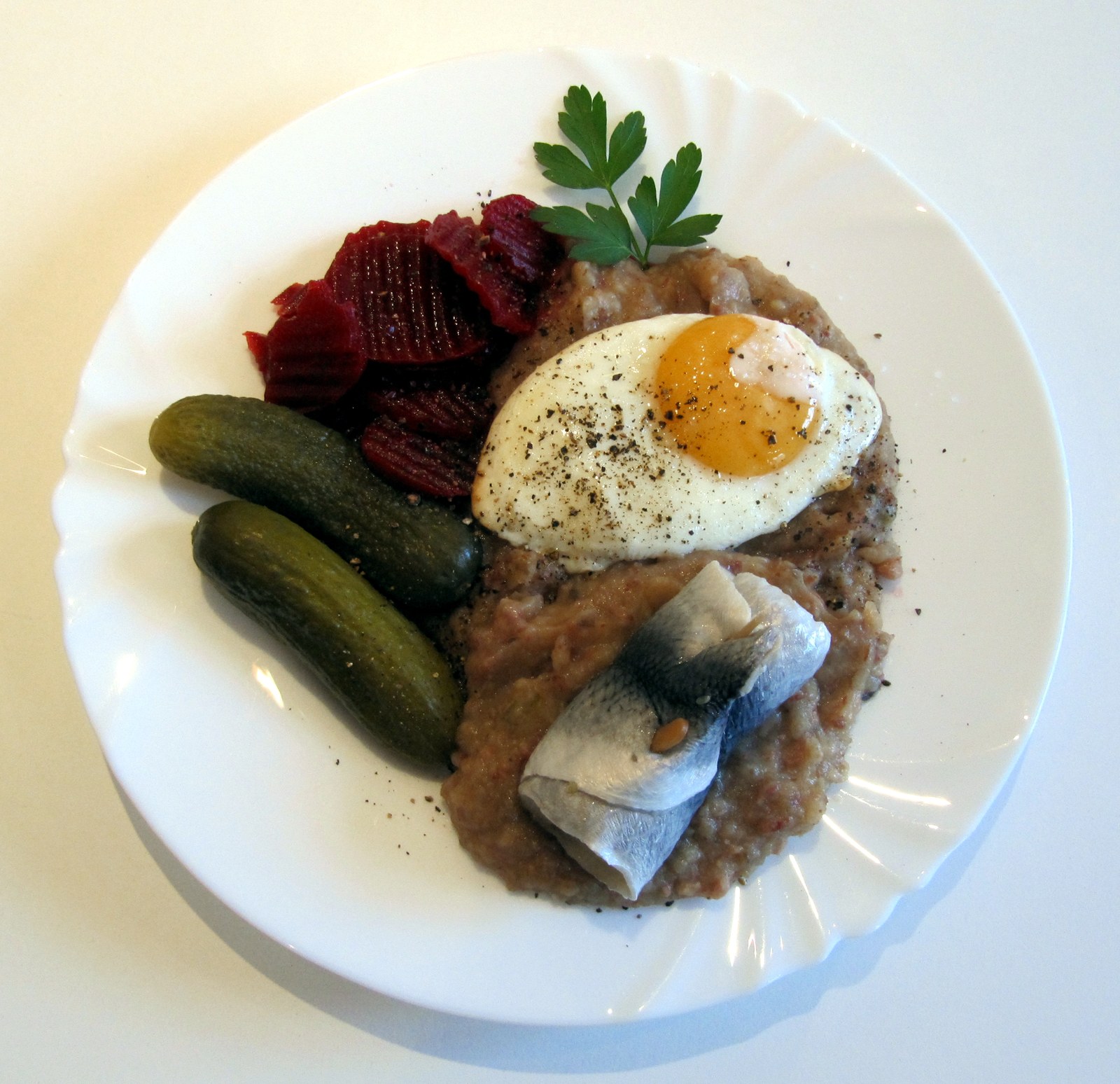
Labskaus combines potatoes, cooked cured beef and beetroot into a coarse, savoury mash.
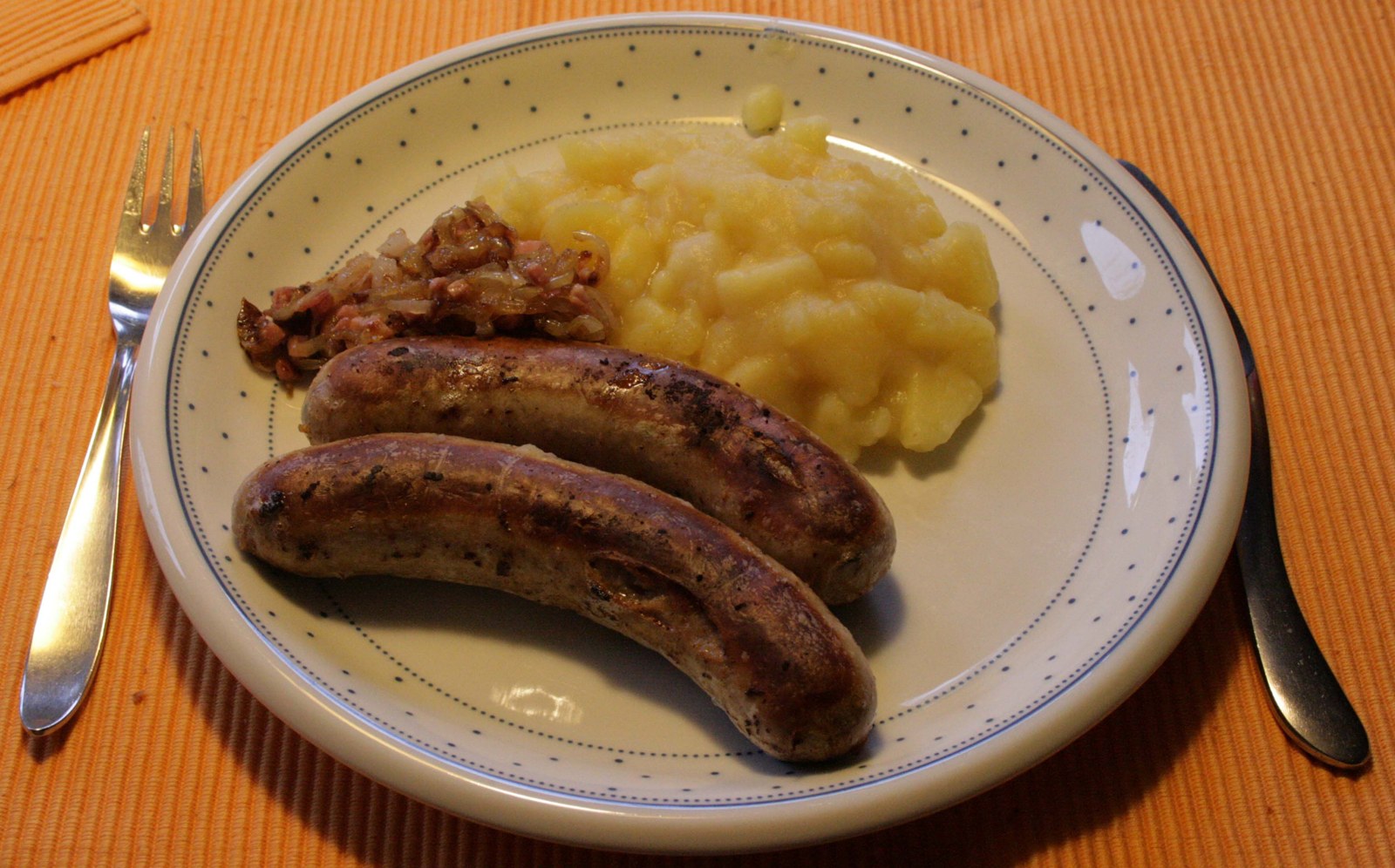
Cook apples and potatoes separately before combining them into a coarse mash.
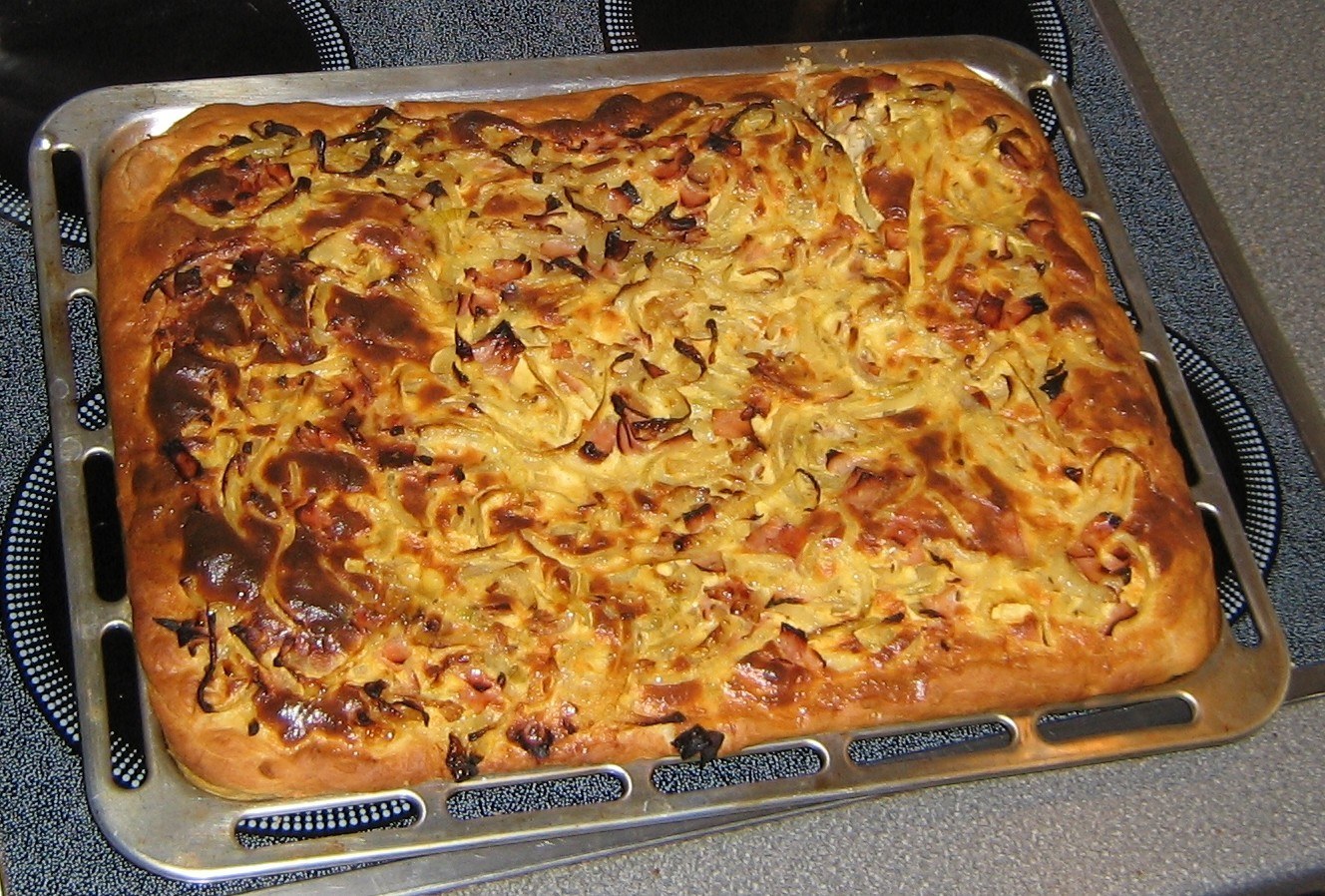
The onions need time in the pan before baking.
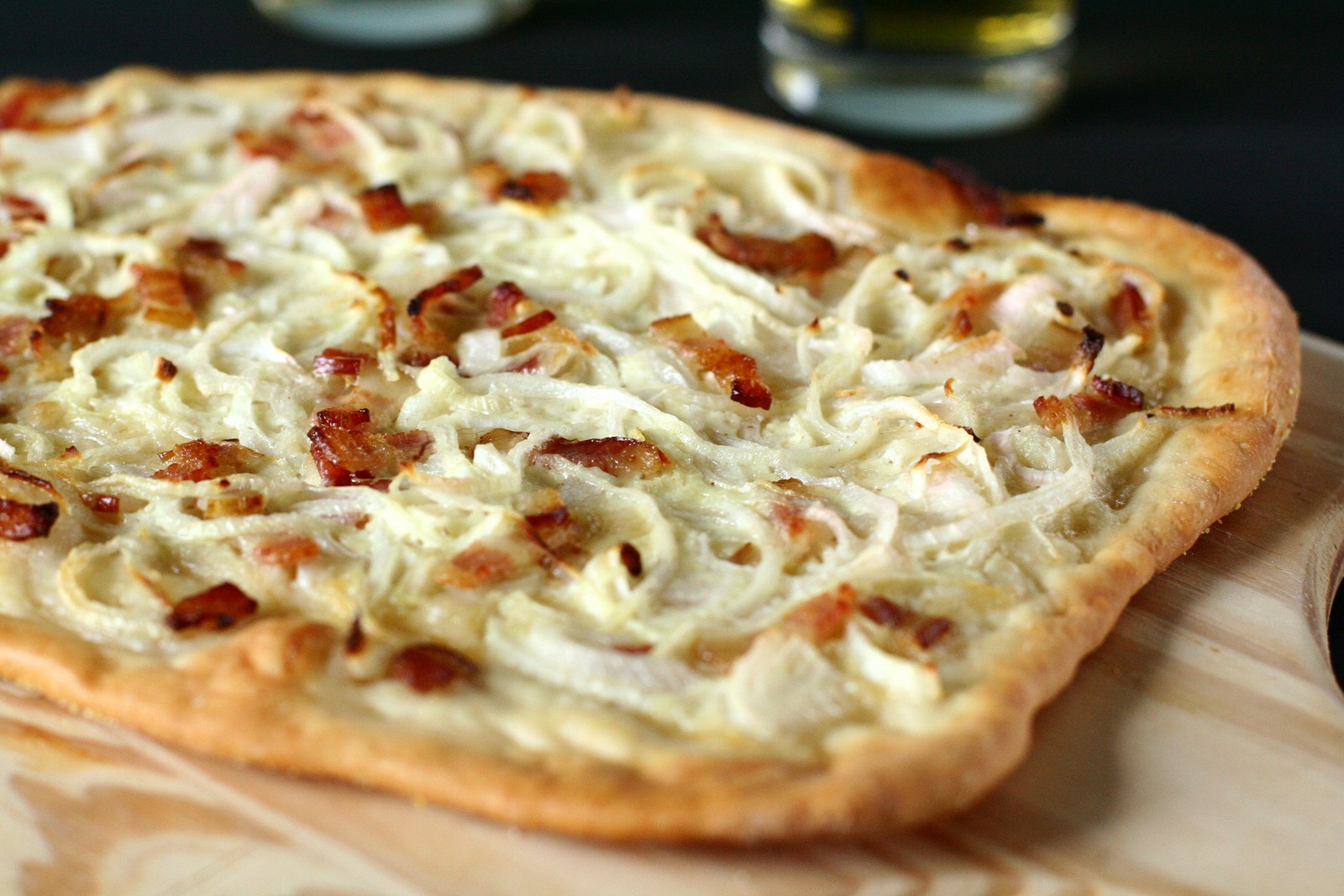
A thin unleavened dough and a very hot oven give flammkuchen its crisp base.
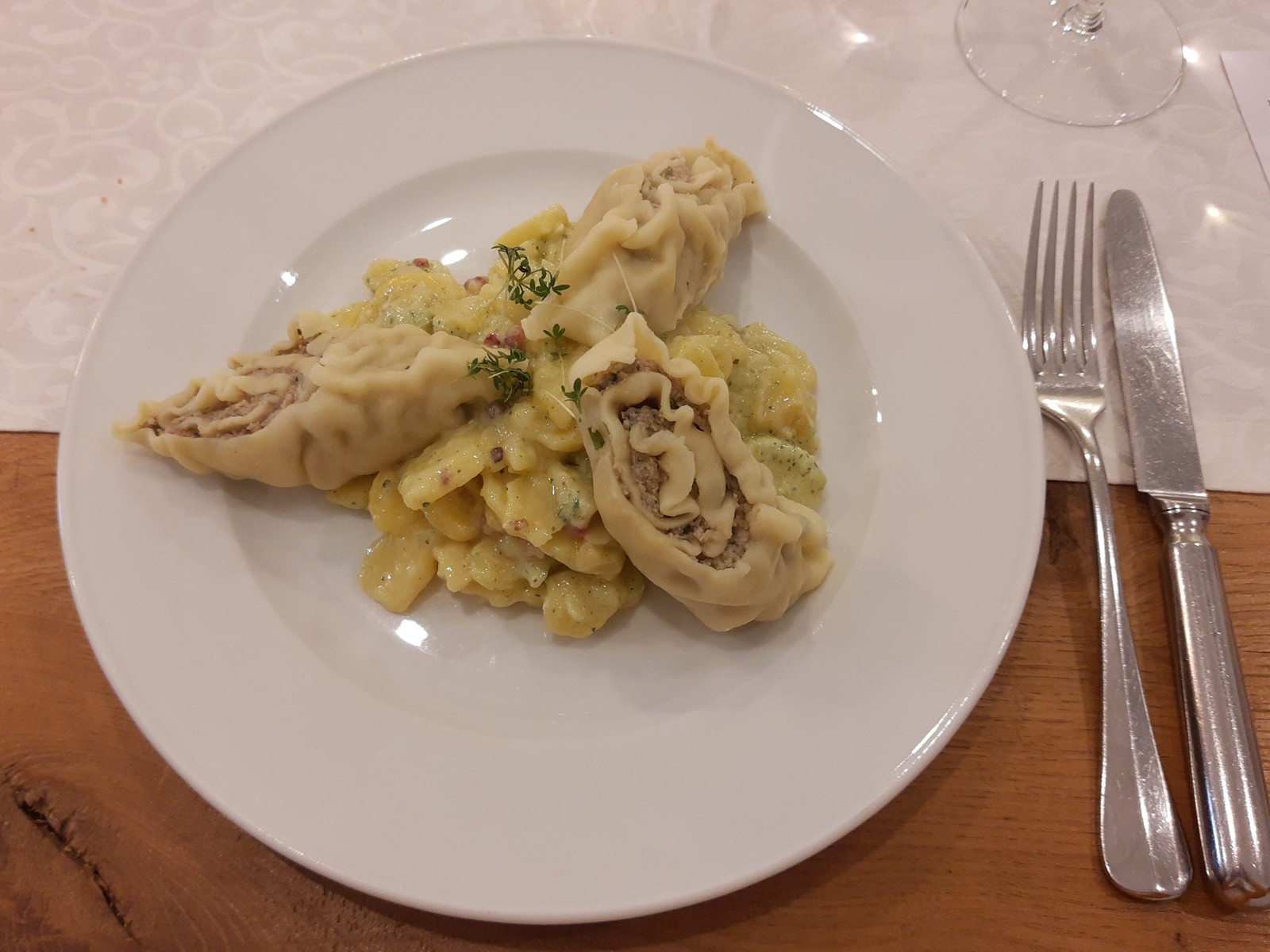
These generous pasta parcels contain mince, spinach, onion and soaked bread.
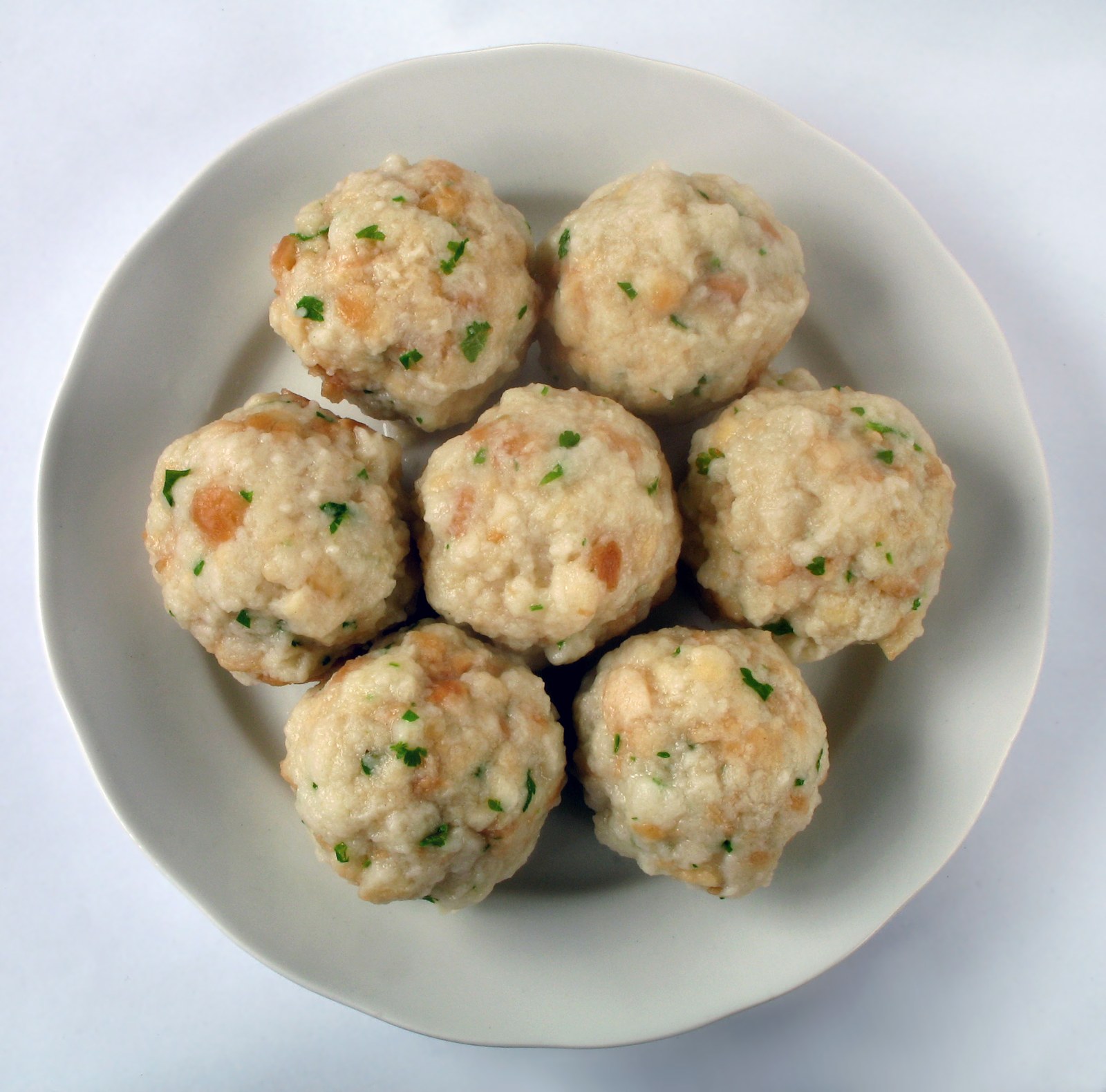
Stale rolls absorb warm milk and become a mixture that can be shaped into dumplings.
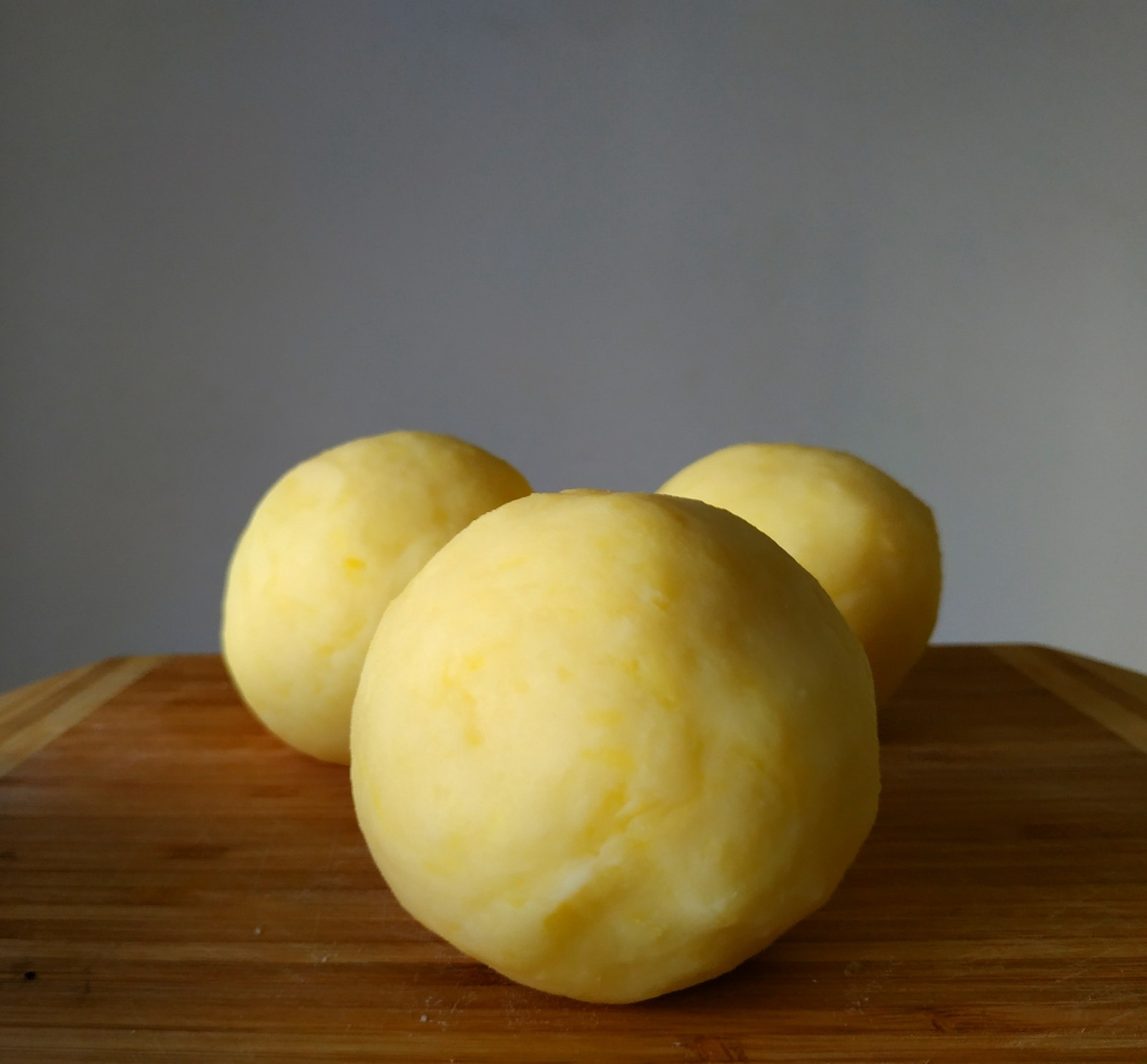
These dumplings use cooked potatoes throughout, with no grated raw potato mixture.
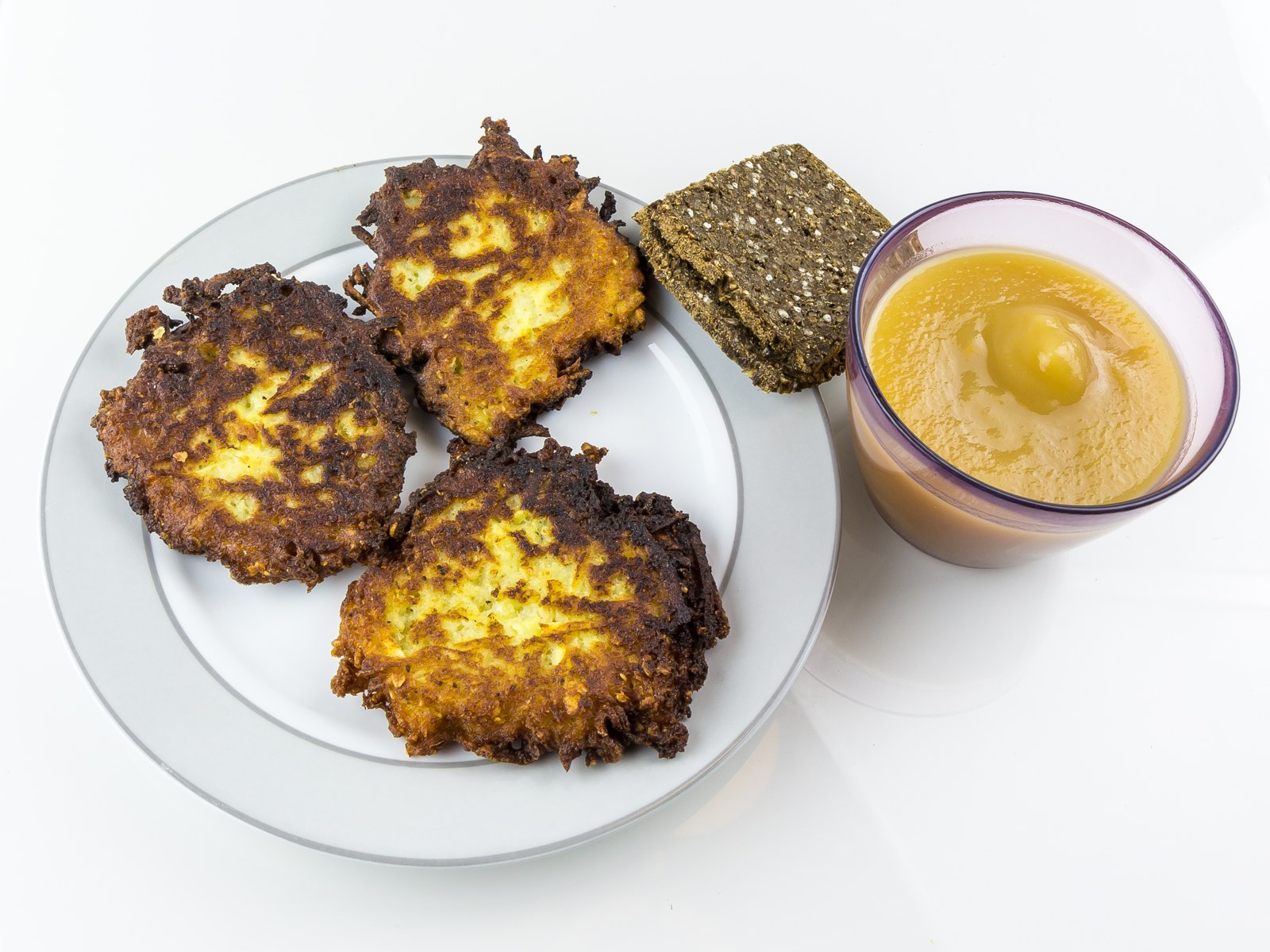
Freshly grated potatoes contain plenty of water.
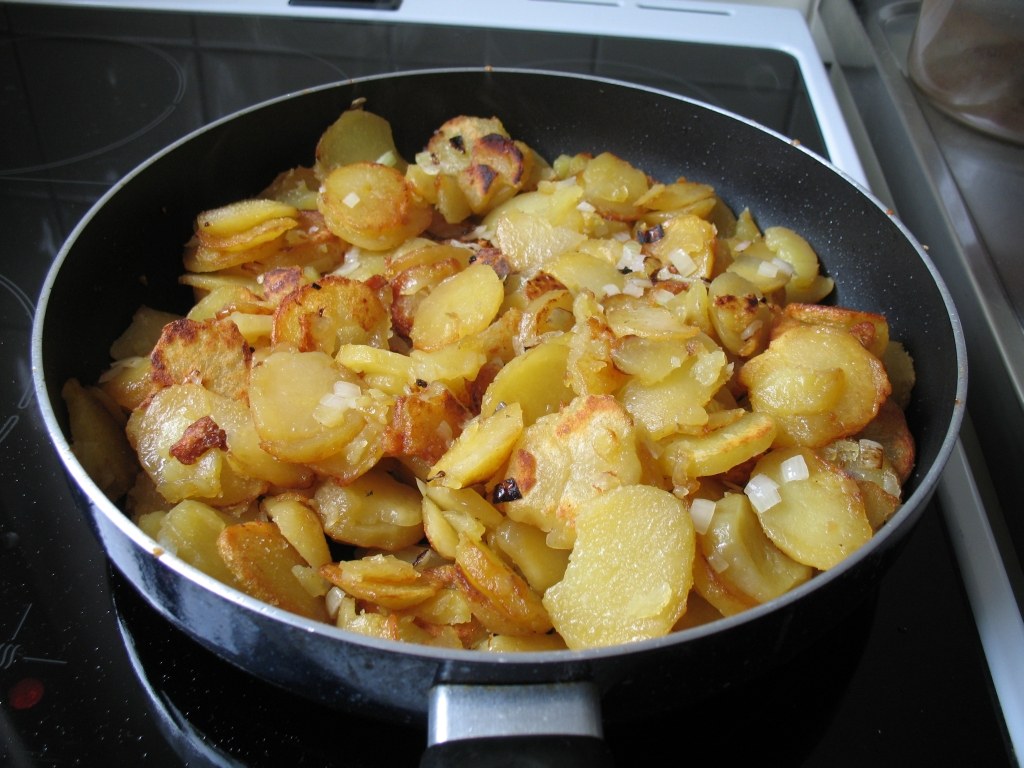
Potatoes cooked the previous day make a useful base for fried potatoes: they slice cleanly and bring less surface moisture into the pan.
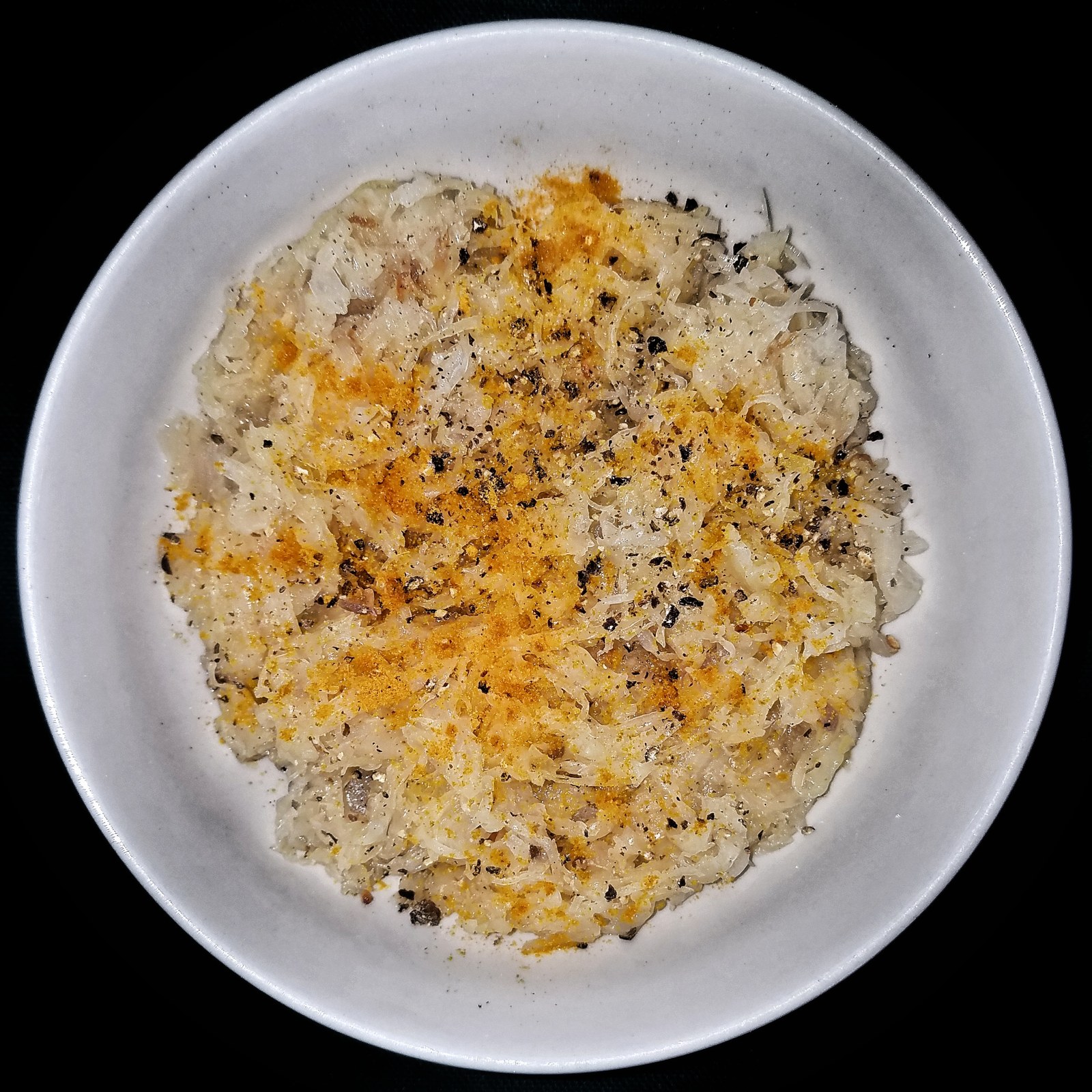
Ready-to-eat sauerkraut becomes a juicy side dish with only a few additions.
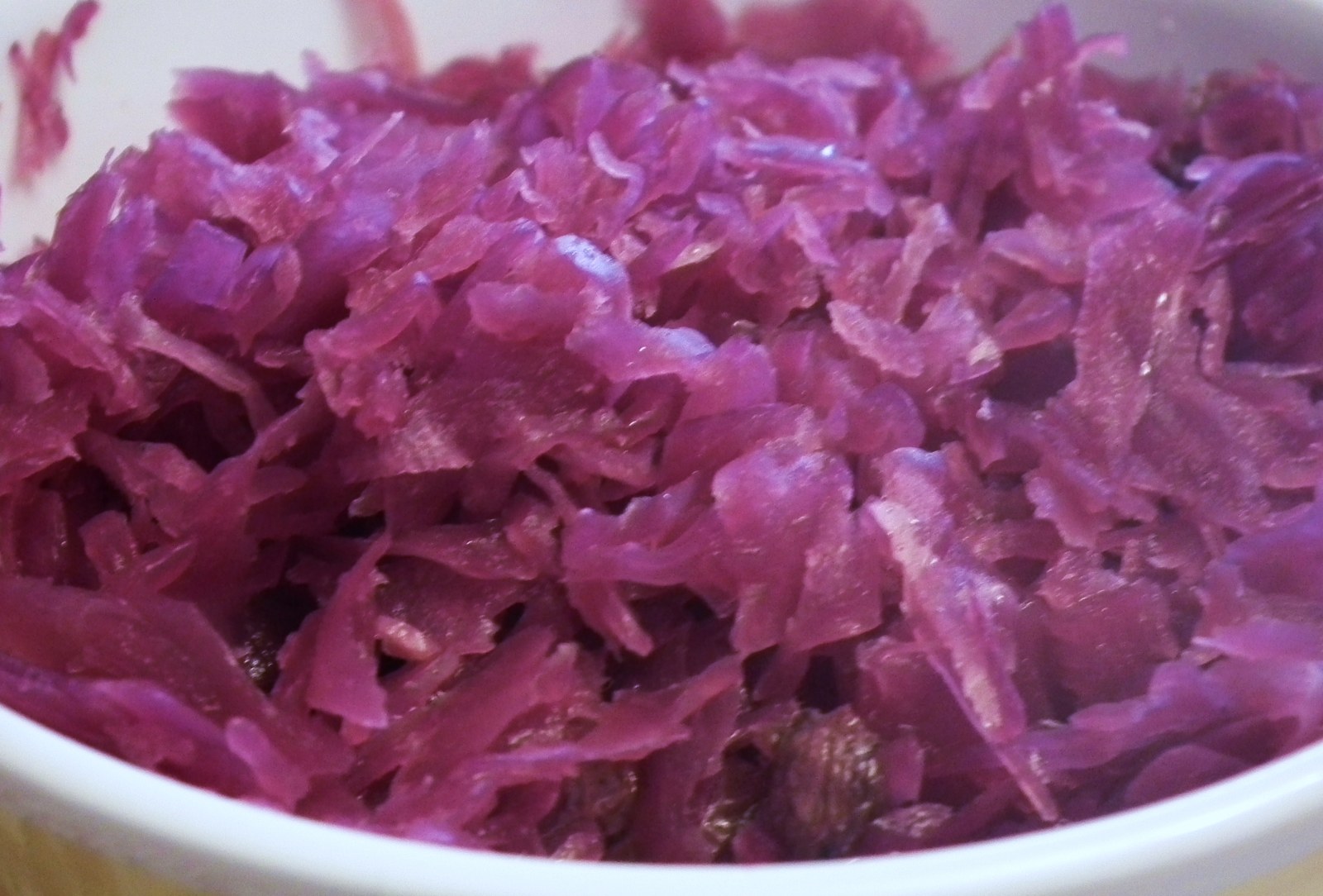
Finely sliced red cabbage cooks with apple, onion and a little vinegar.
This goulash is a slowly braised meat dish with a substantial onion sauce rather than a thin soup.
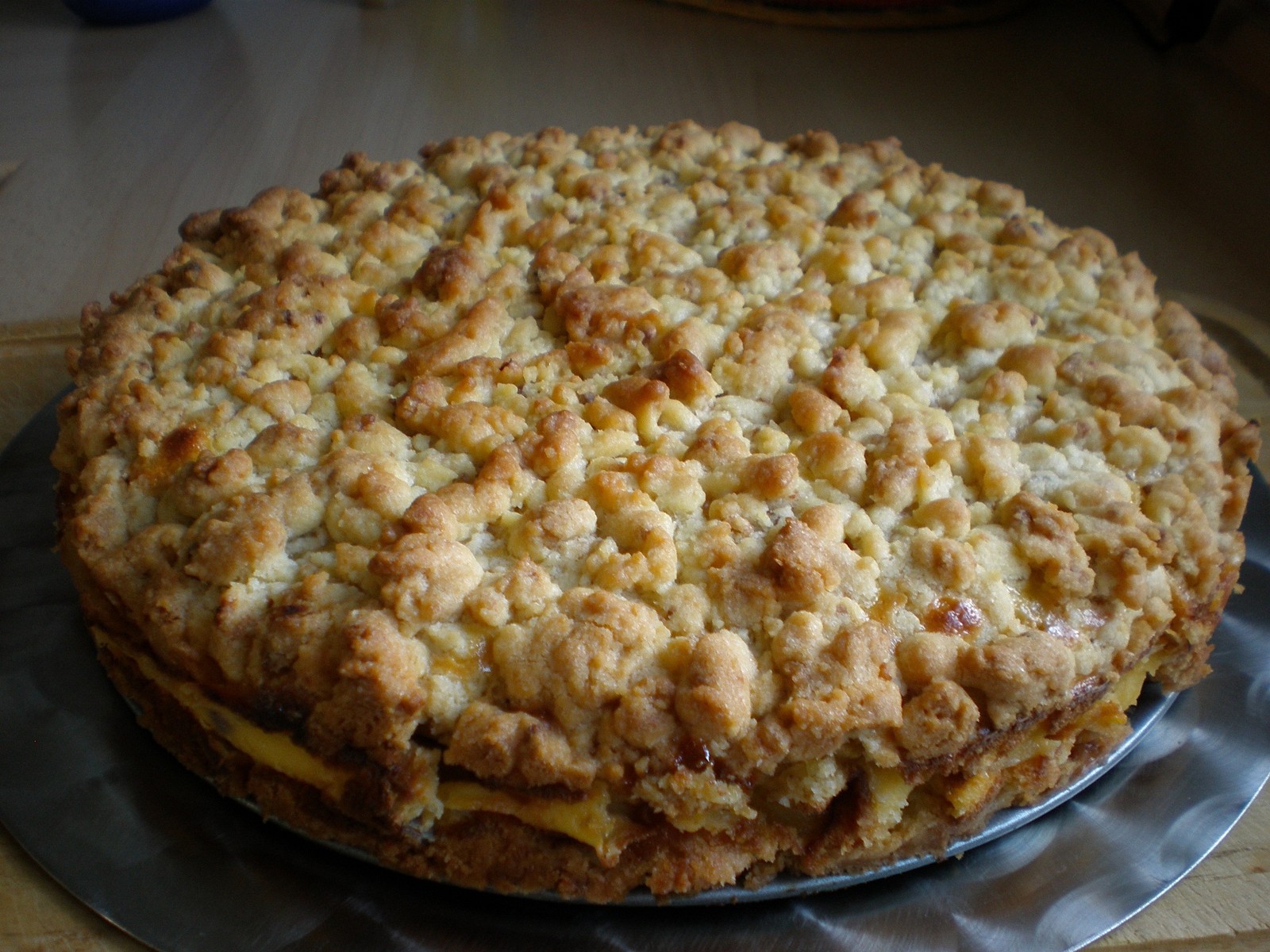
A shallow apple cake with tender pastry, tart apple pieces and generous buttery crumbs.
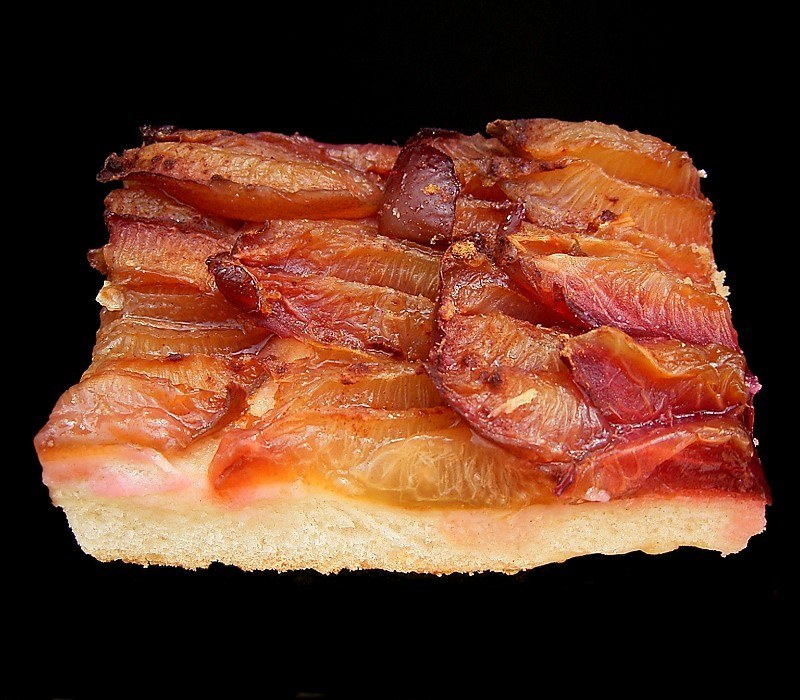
A thin yeast base supports closely arranged plums in this tray cake.
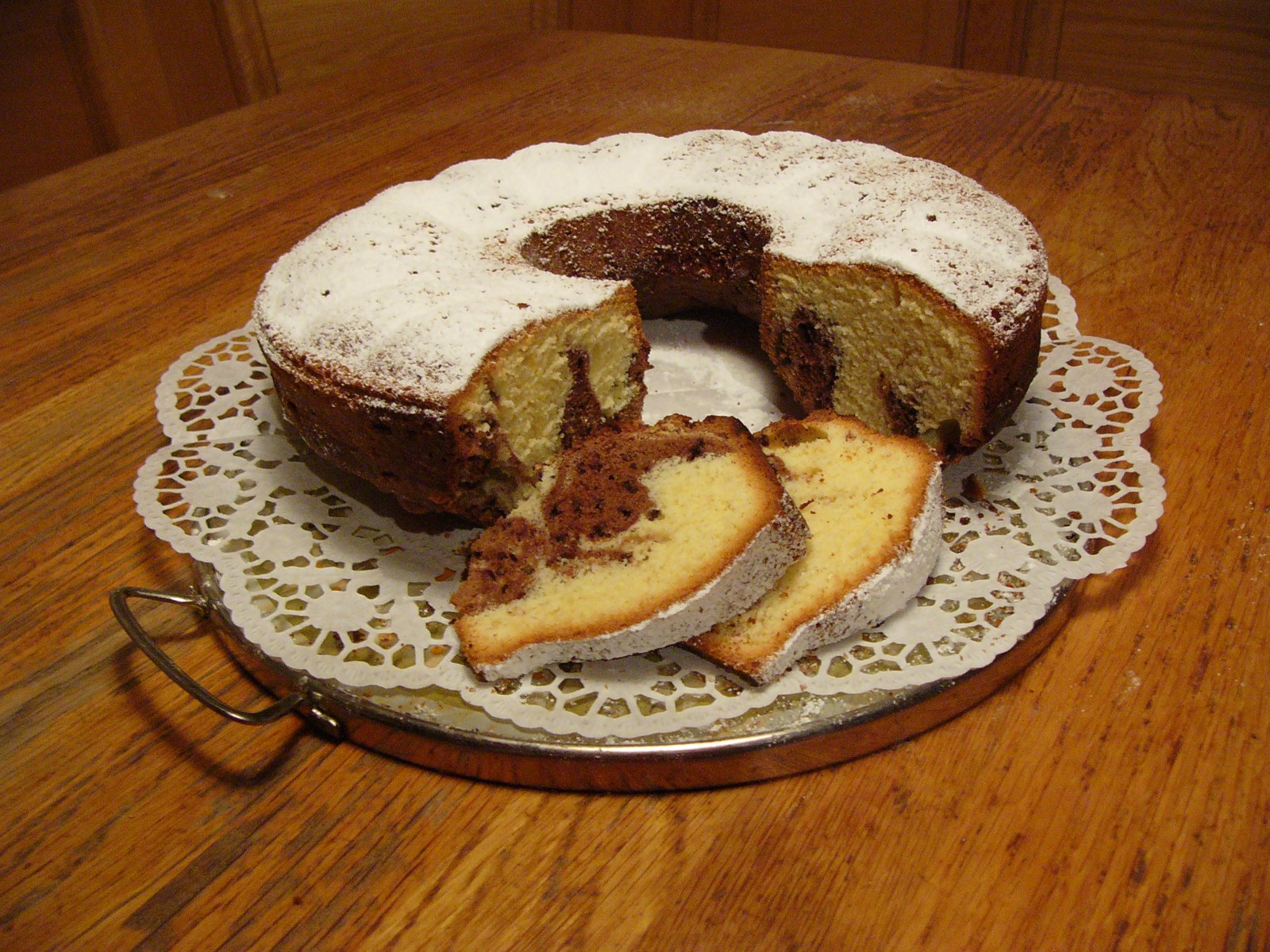
Swirl vanilla batter and cocoa batter together only briefly in the tin to keep their patterns distinct.
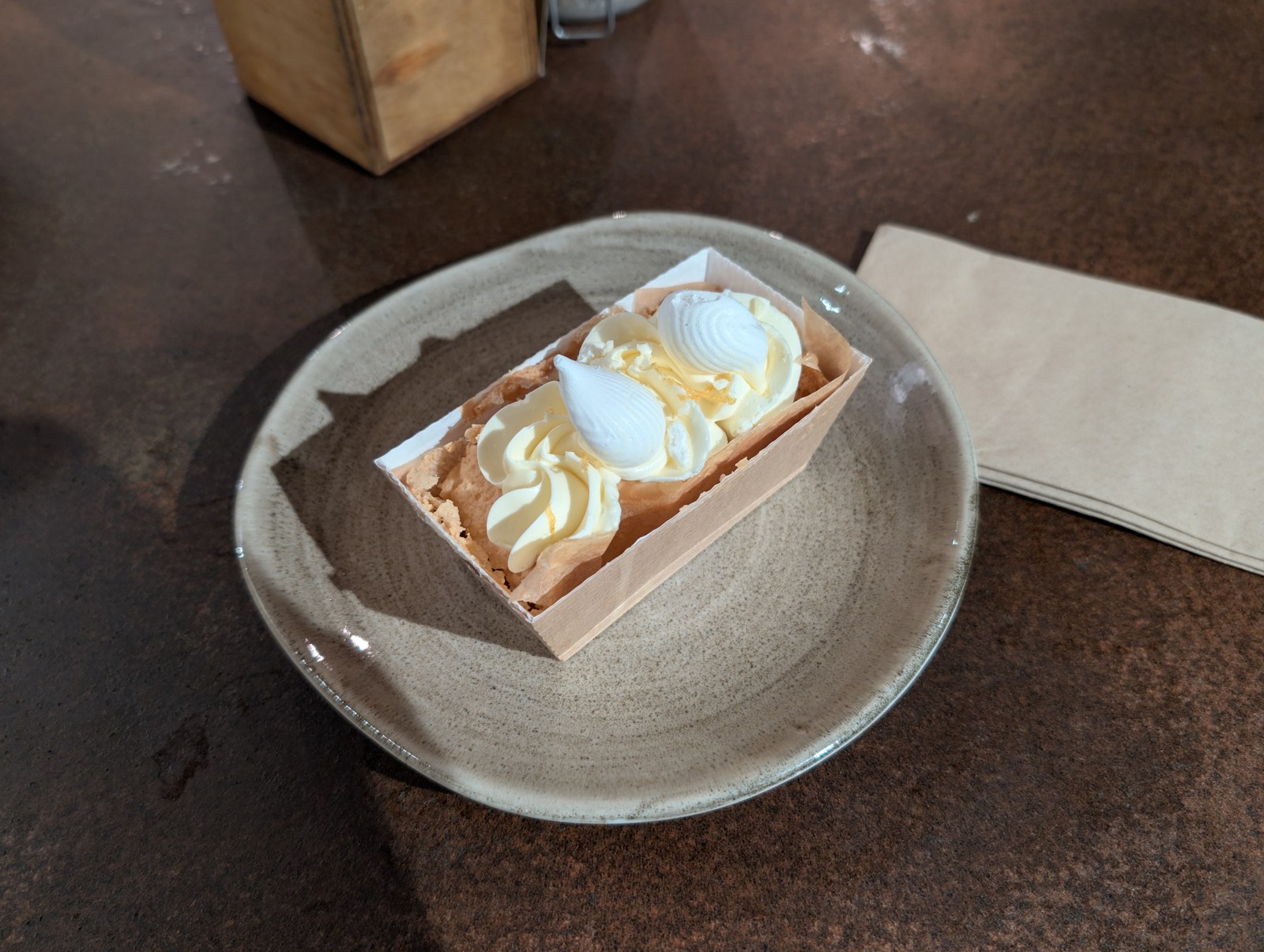
Lemon zest flavours this loaf while elderflower cordial supplies a floral note.
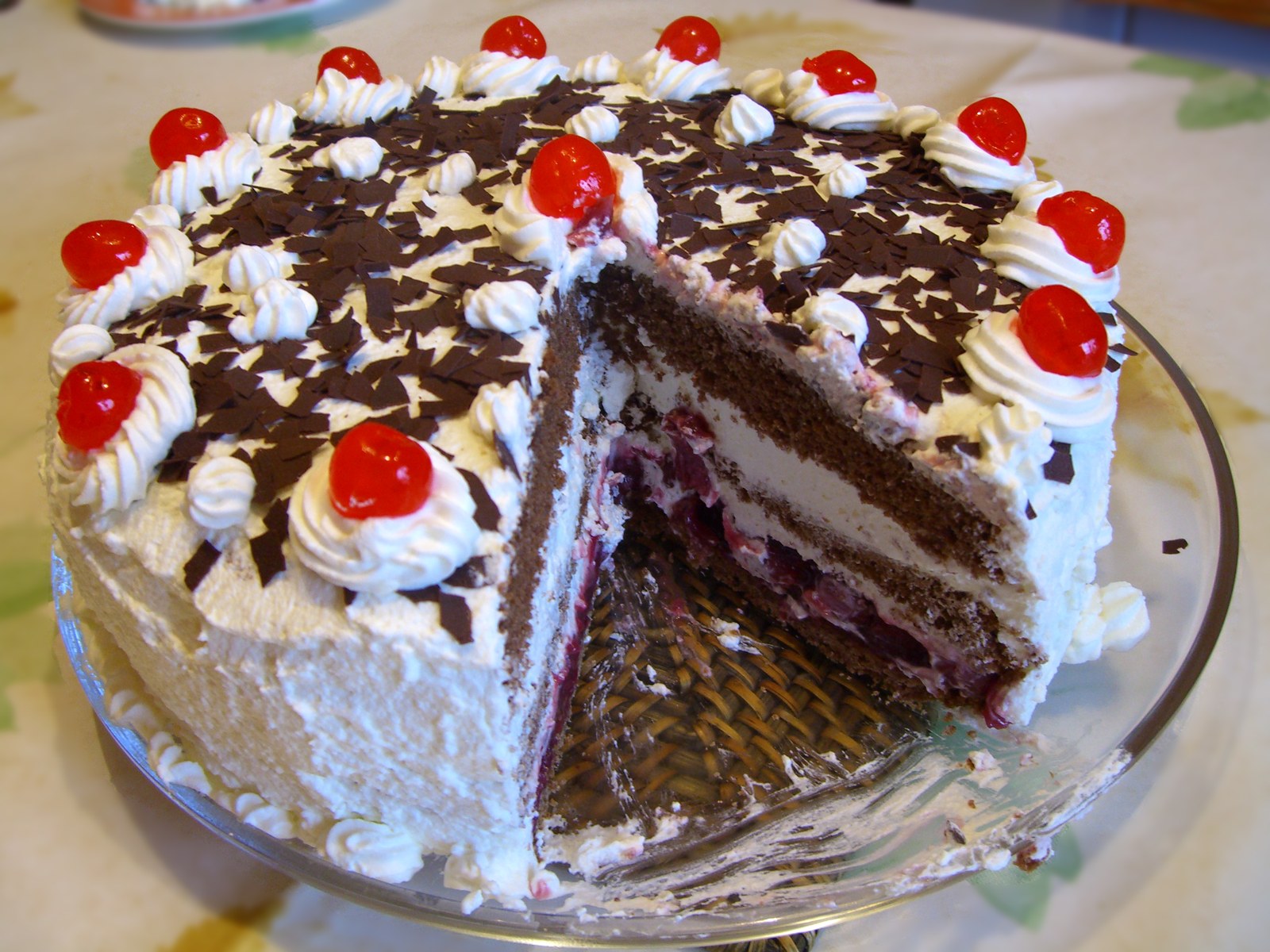
Chocolate sponge, thickened sour cherries and whipped cream form distinct layers.
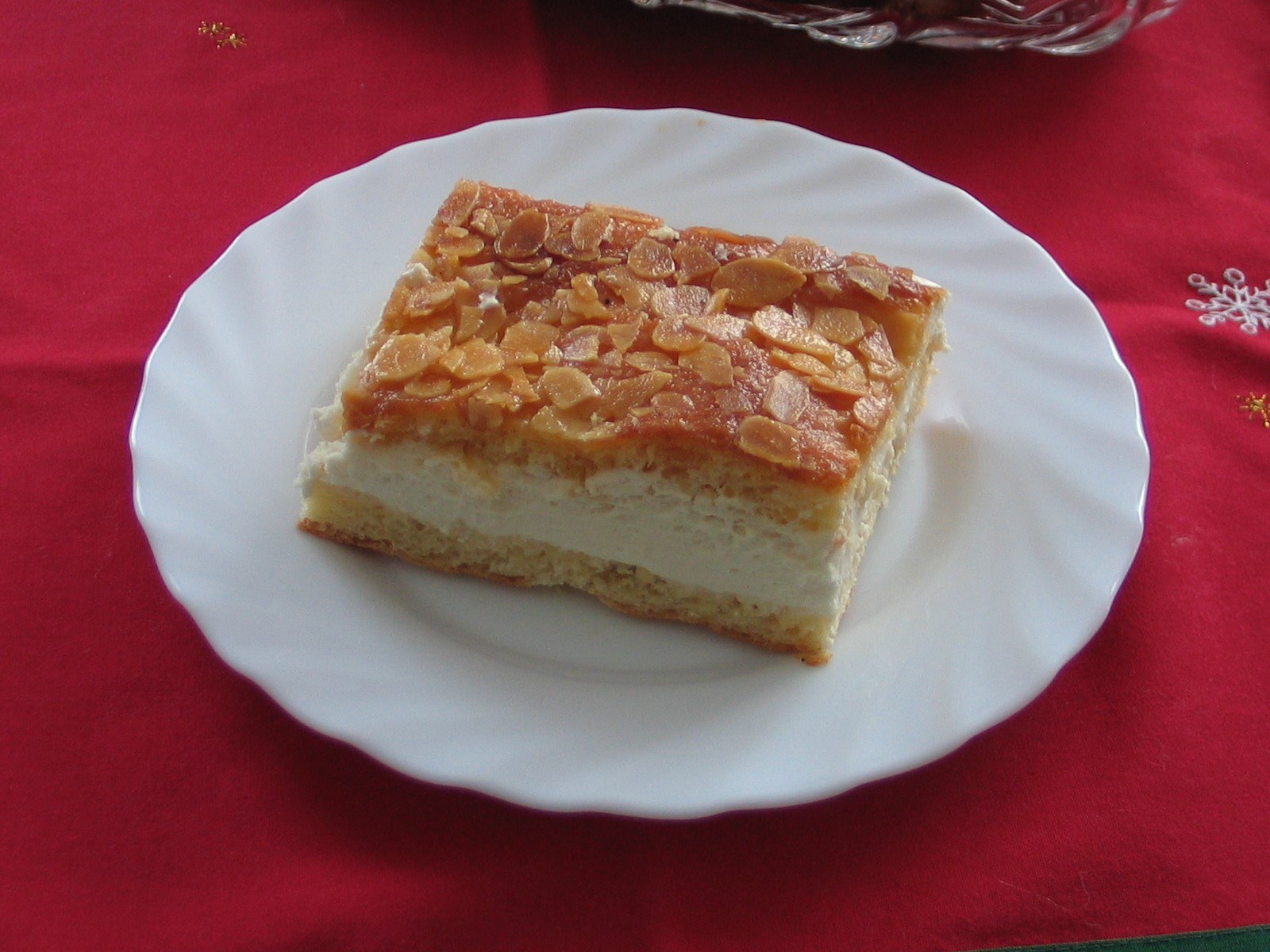
A soft yeast cake receives a baked honey-and-almond topping, then a vanilla cream filling once cold.
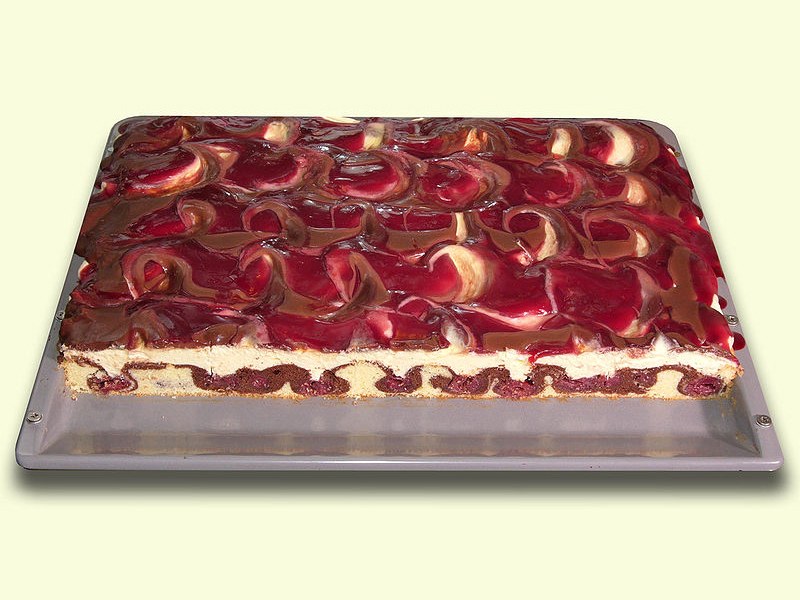
Pale and cocoa batters, sunken cherries, buttercream and chocolate create the characteristic layers of this cake.
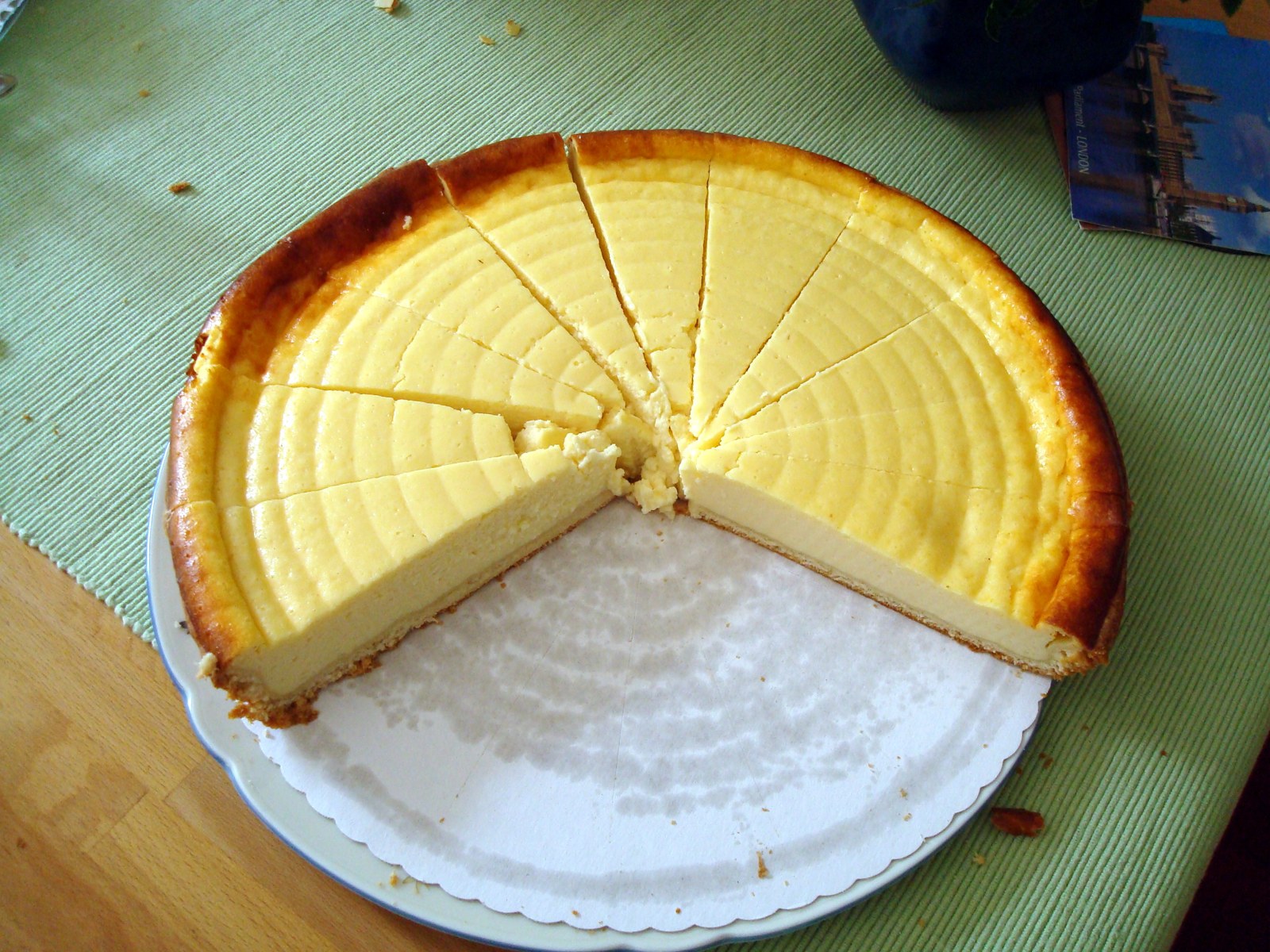
Quark and soured cream give this cheesecake its pale, gently tangy filling.
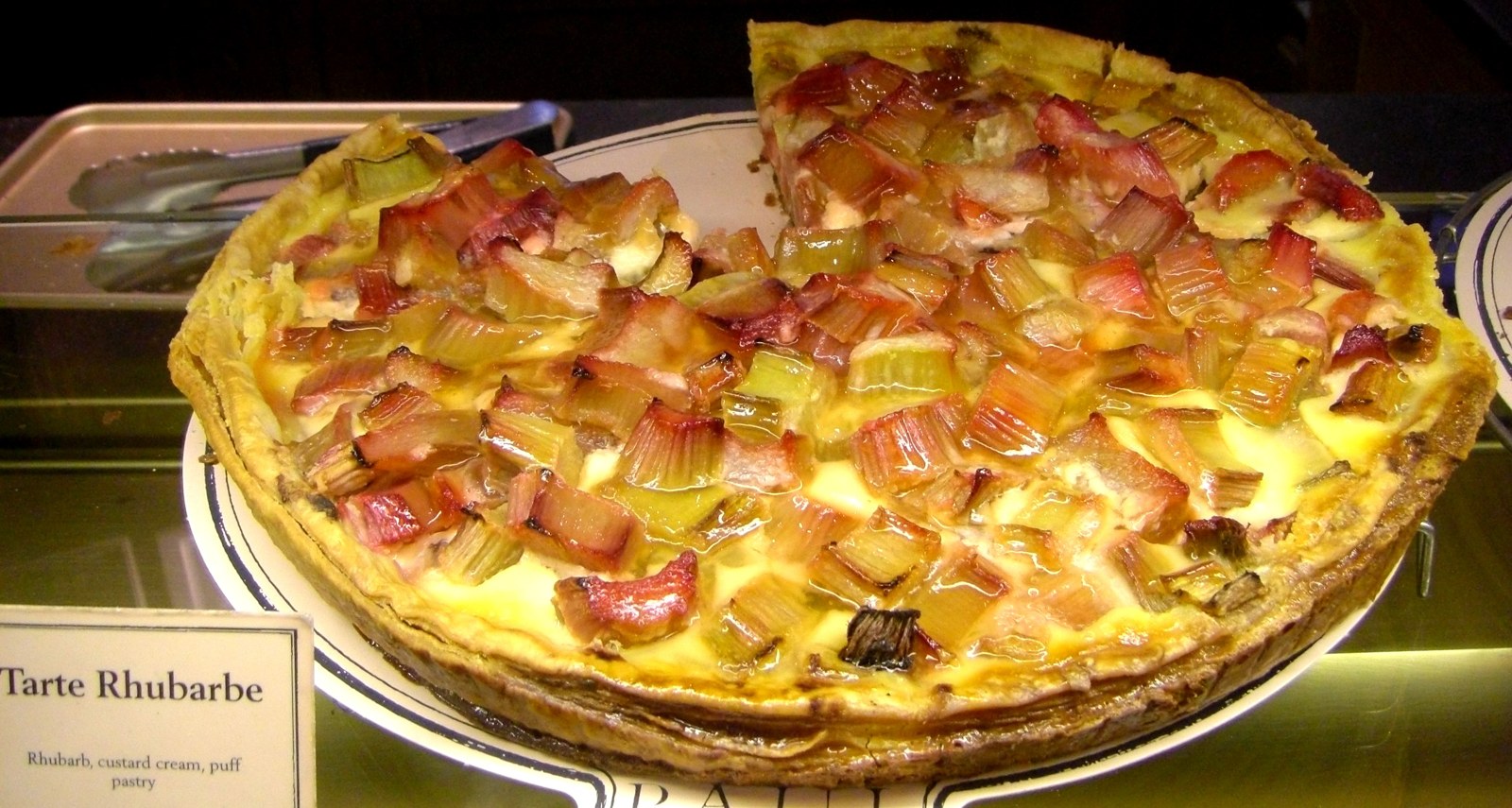
Rhubarb brings a refreshing sharpness to this open tart.
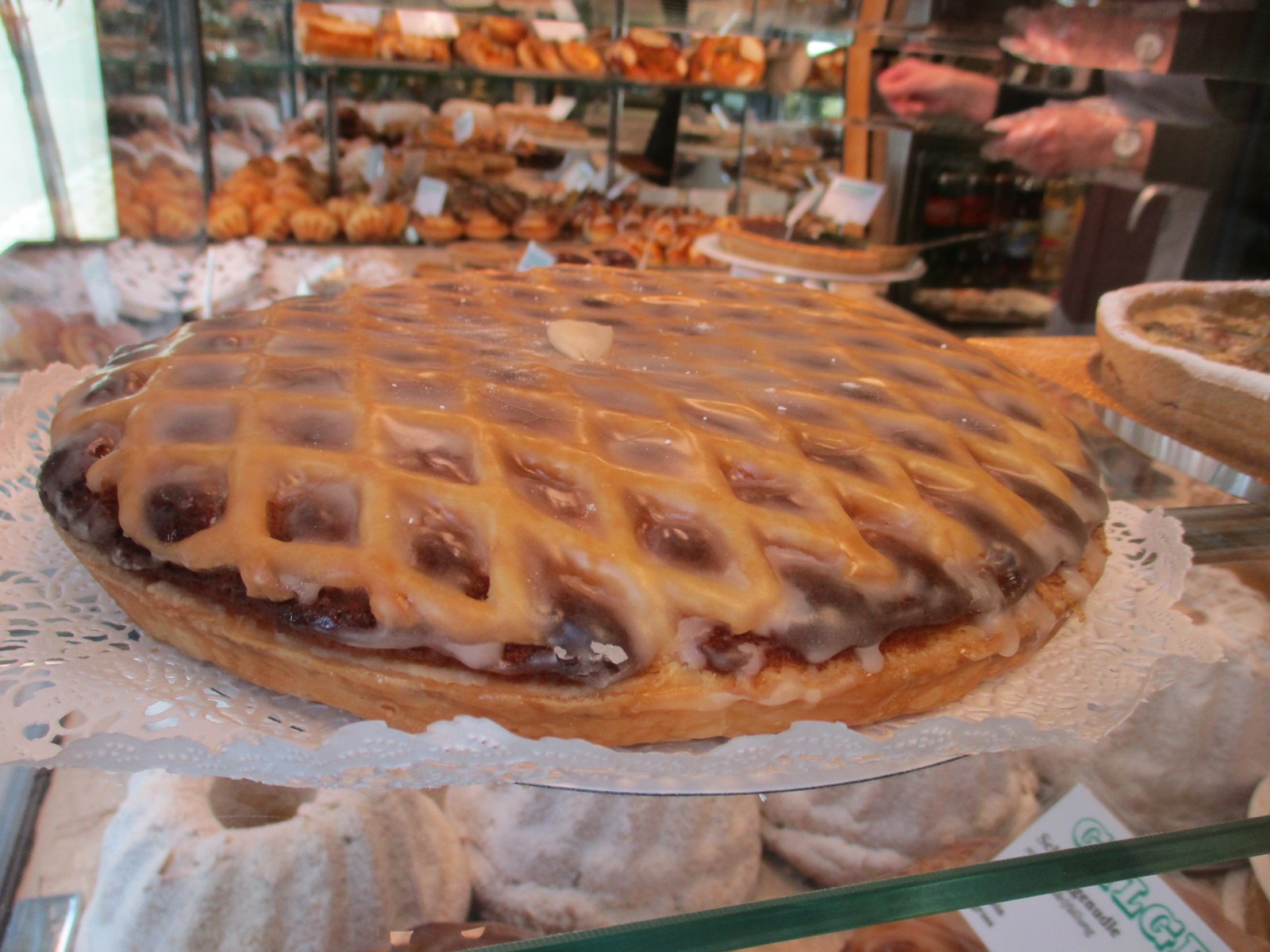
Ground nuts, cinnamon and sharp redcurrant jam define this Linzer torte.
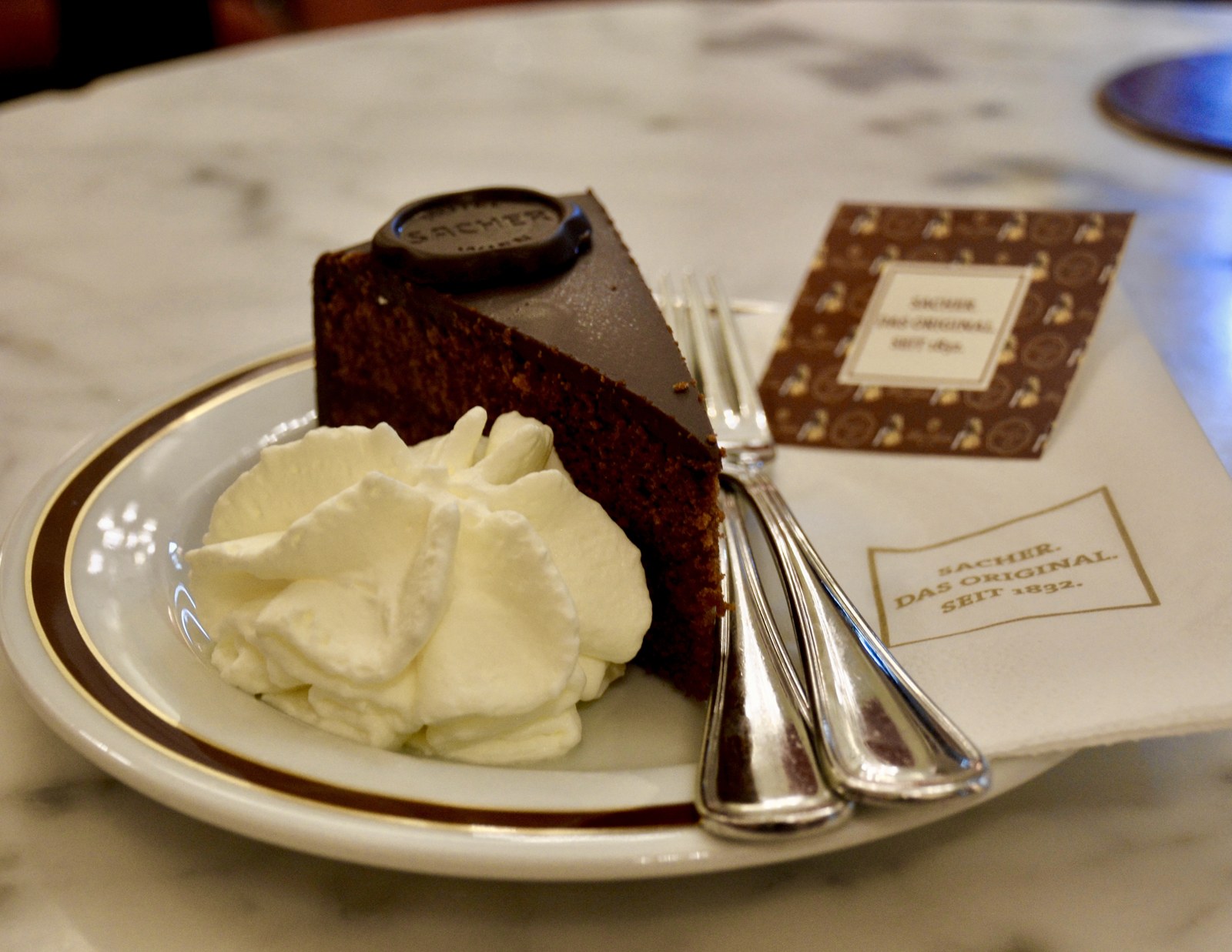
A fine chocolate sponge, apricot jam and dark glaze make up this Sacher-style cake.
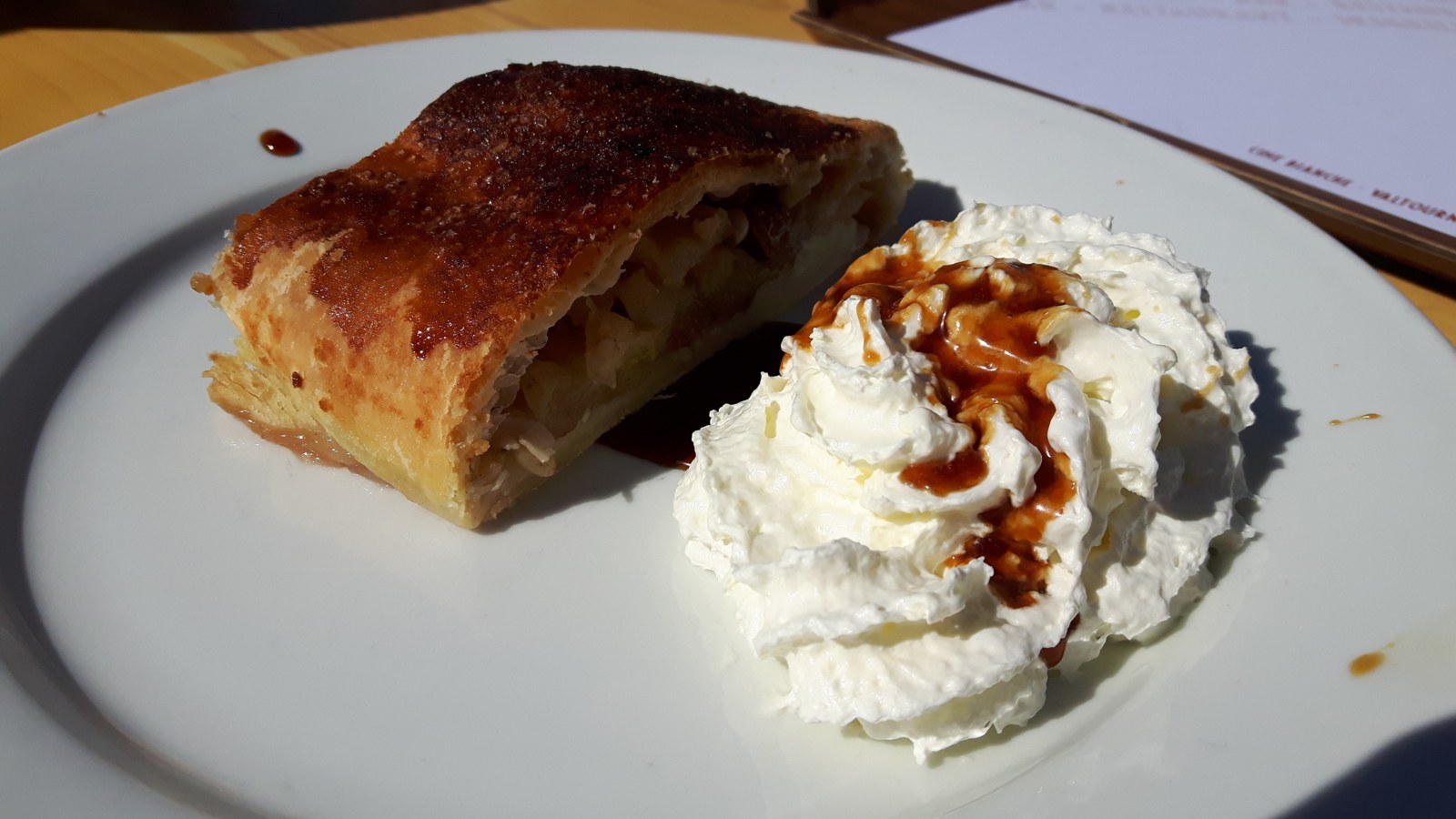
Hand-stretched pastry encloses apples, raisins and buttery toasted breadcrumbs.
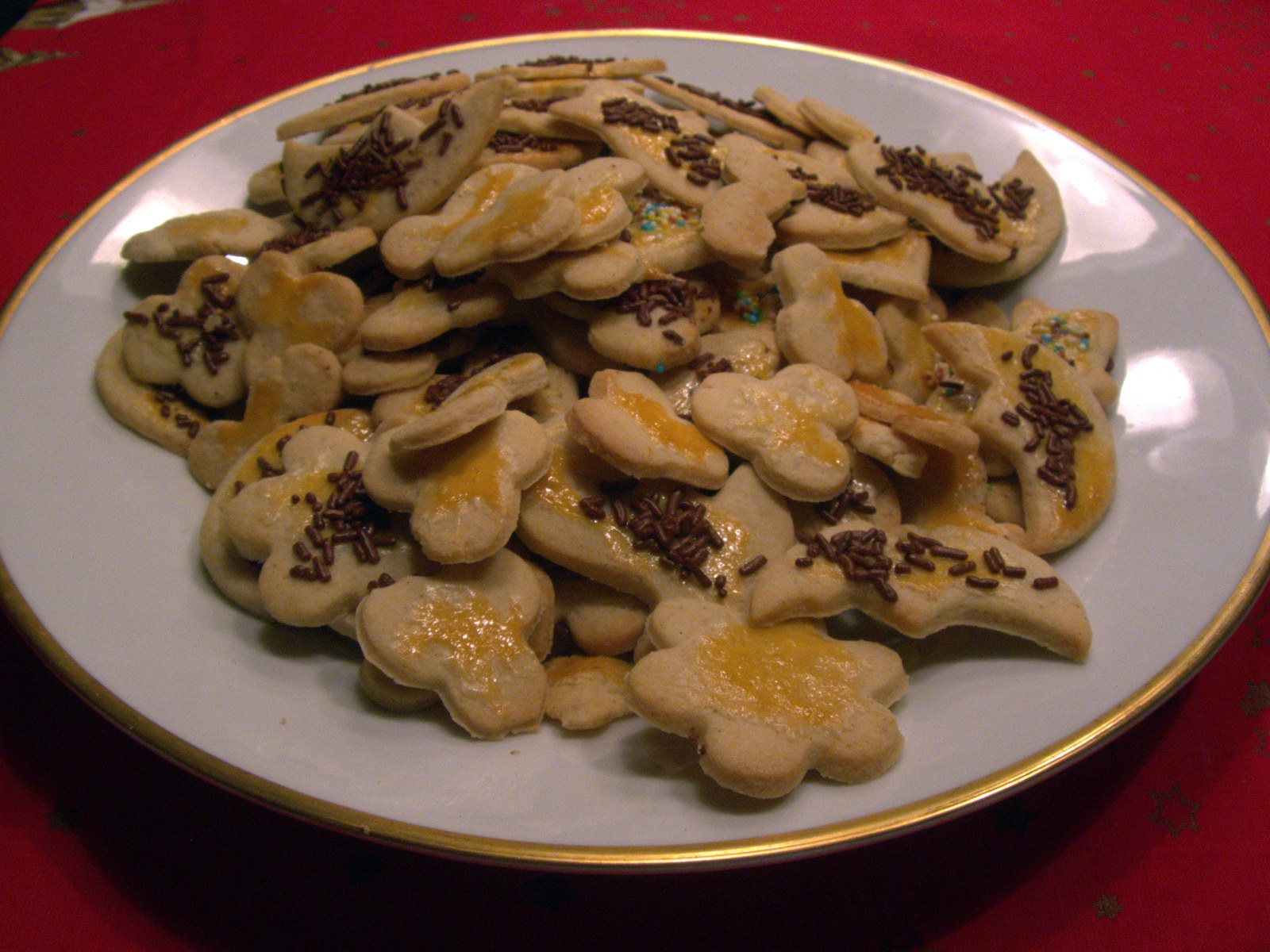
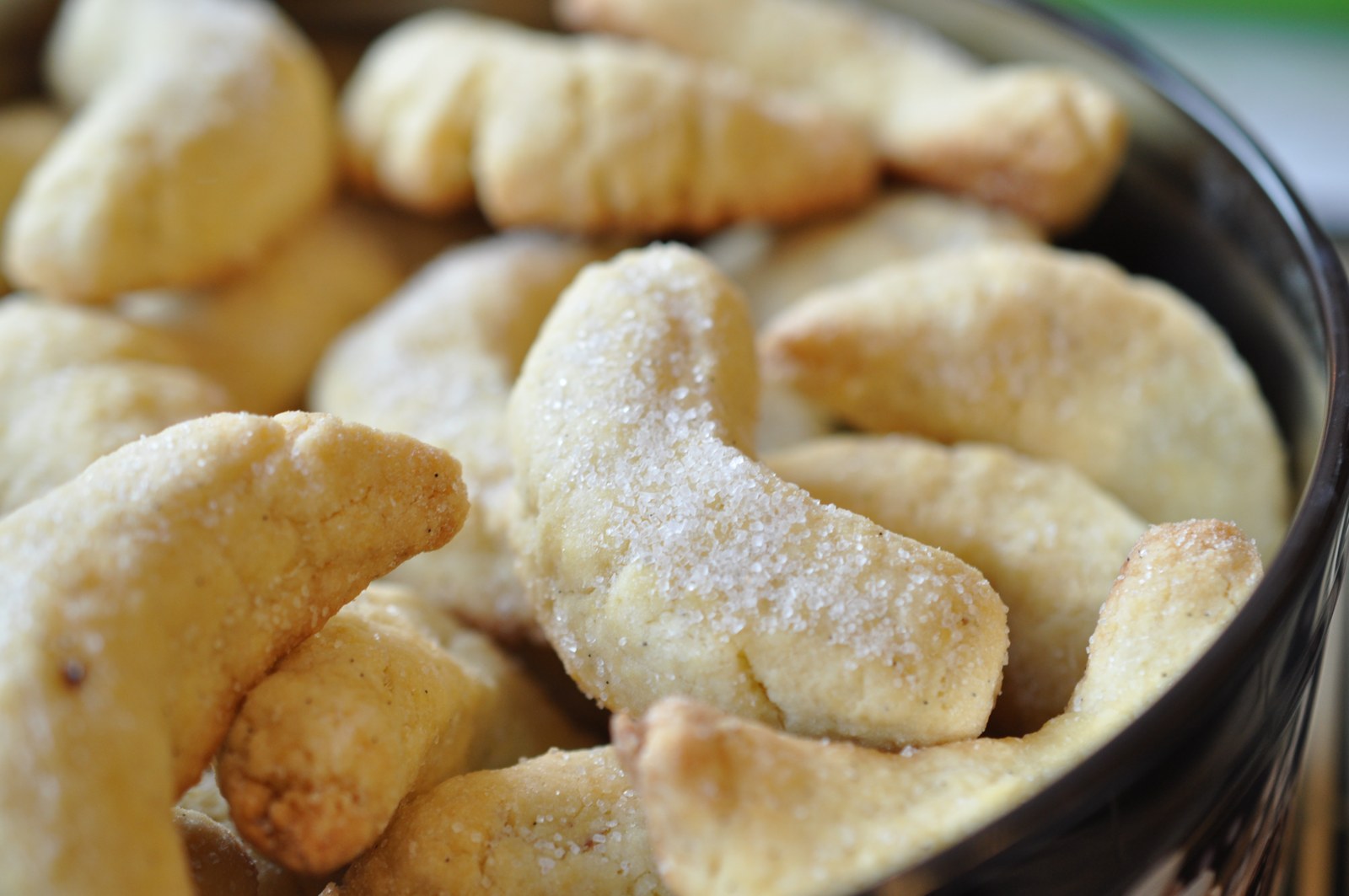
Vanilla crescents rely on a crumbly, tender texture and a thin coating of vanilla sugar.
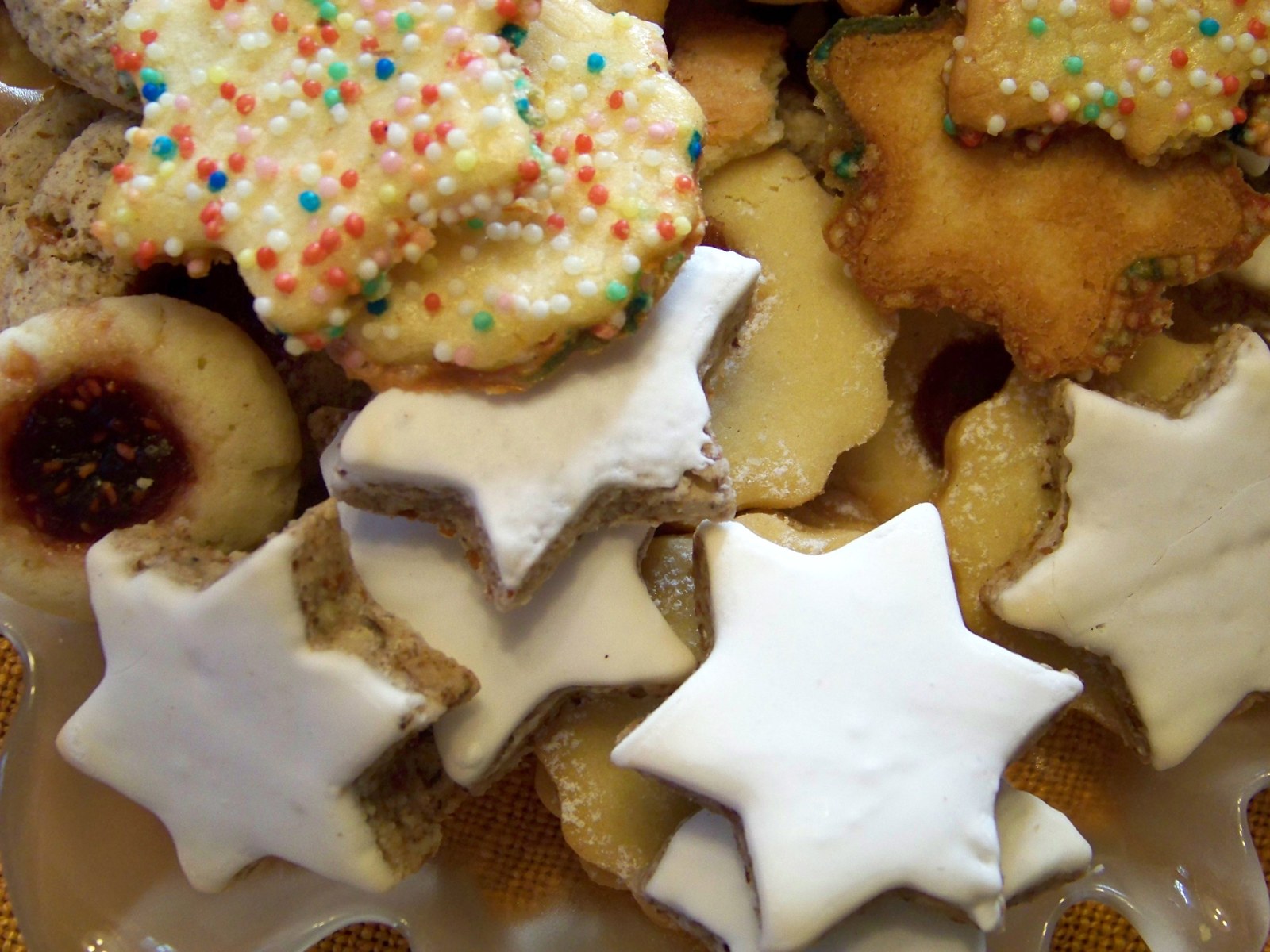
Cinnamon stars are made mainly from ground almonds, icing sugar and egg whites.
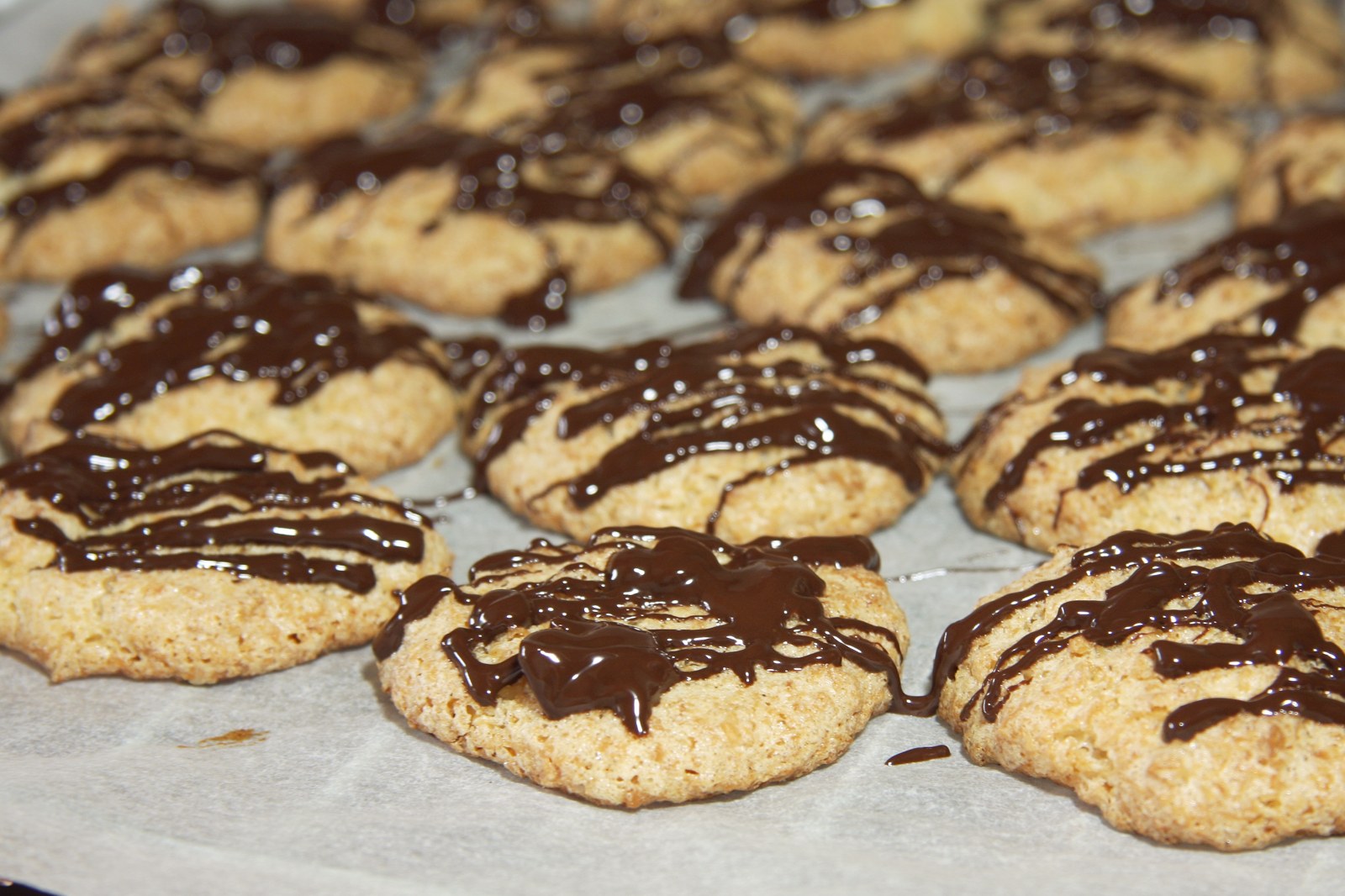
Coconut macaroons need neither shortcrust pastry nor cutters.
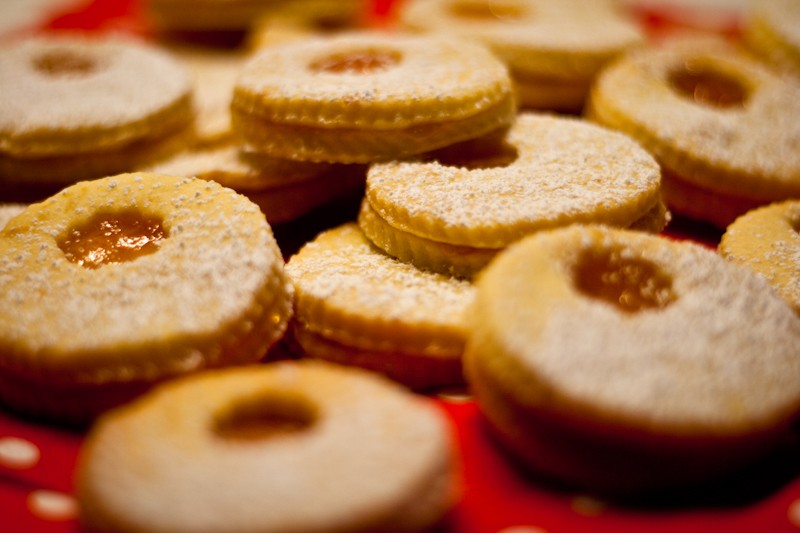
Spitzbuben sandwich a layer of red jam between two thin butter cookies.
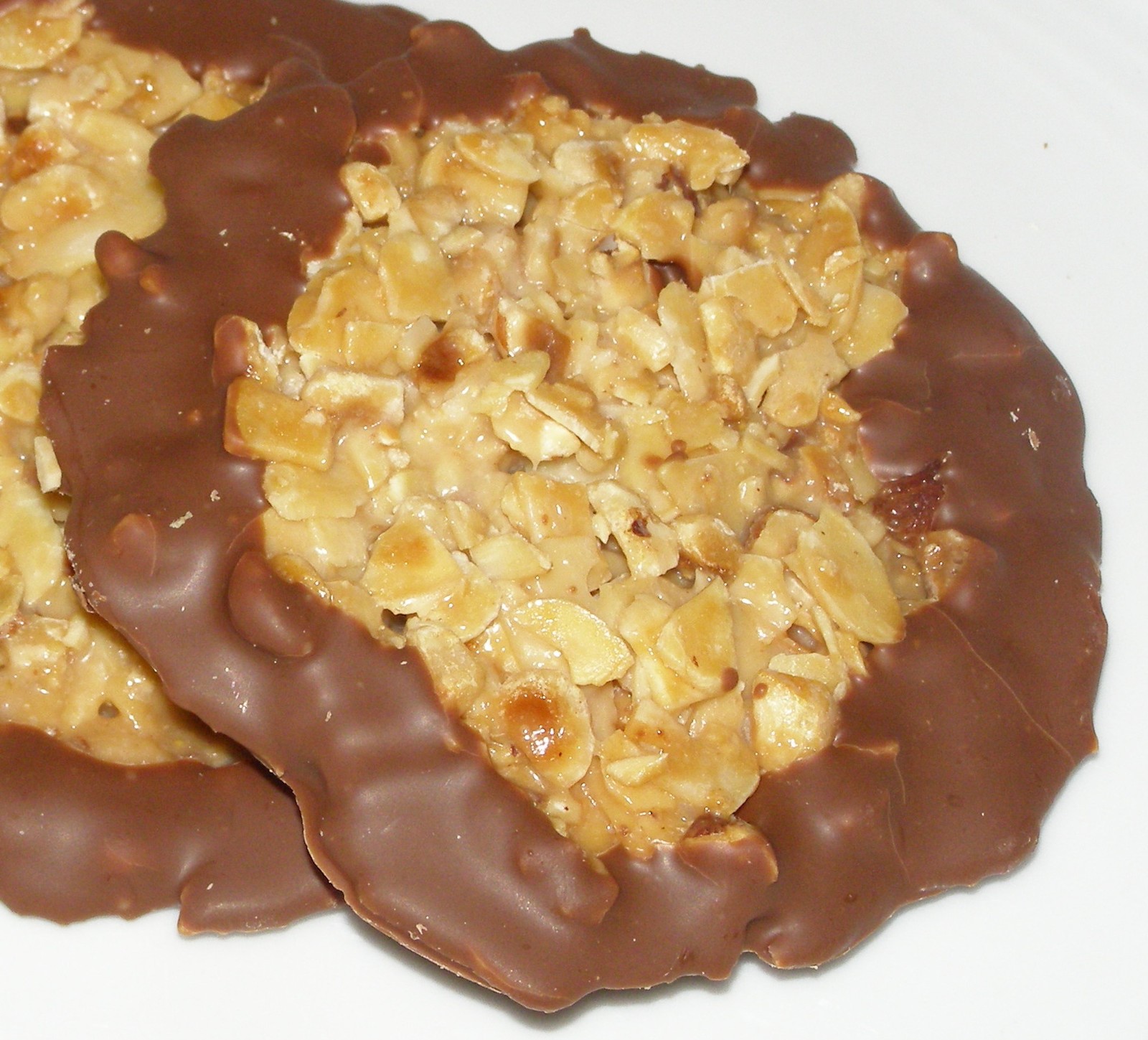
Florentines are thin almond biscuits held together by a caramel-like sugar and cream mixture.
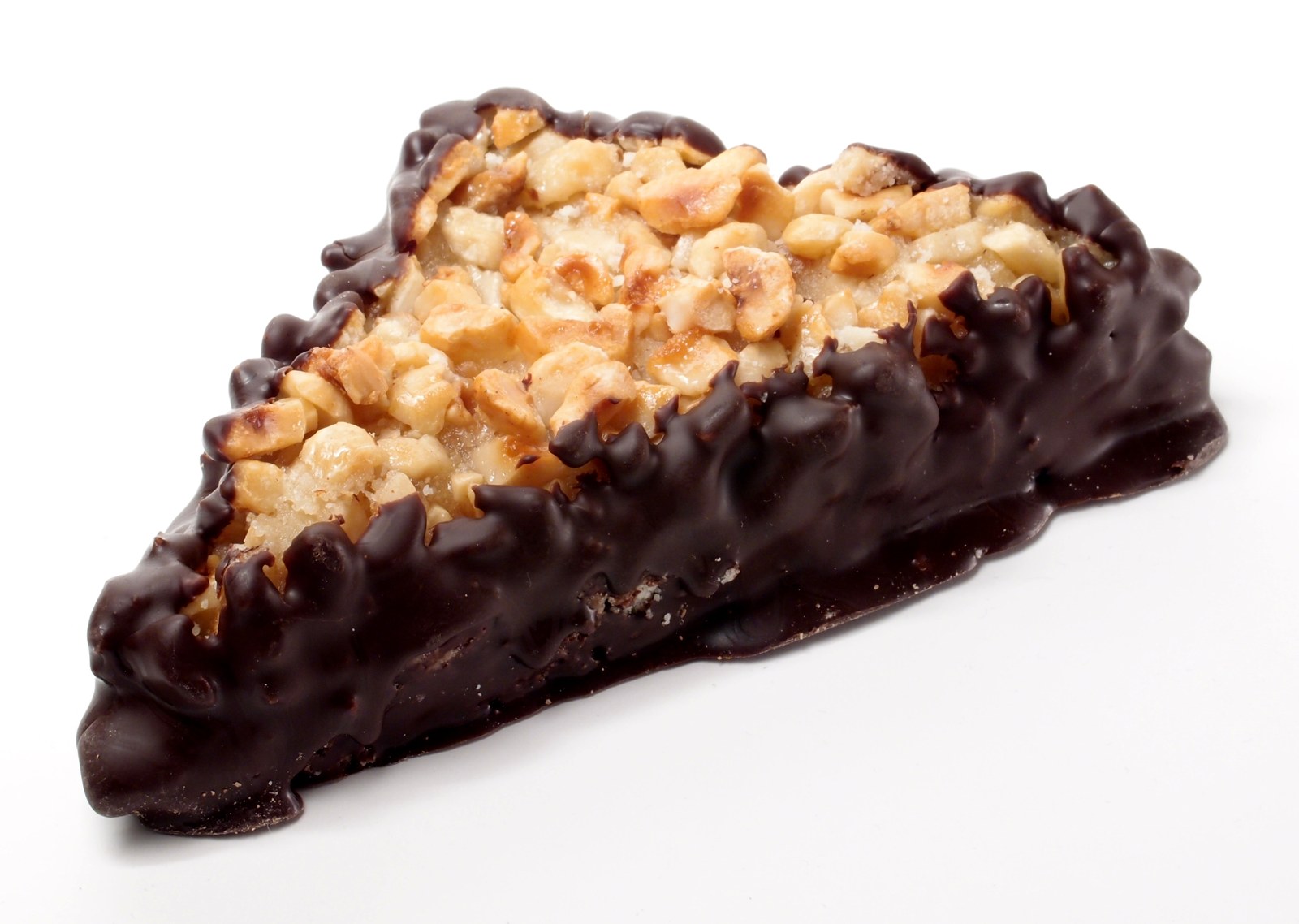
German nut triangles combine a thin shortcrust base with a moist hazelnut topping.
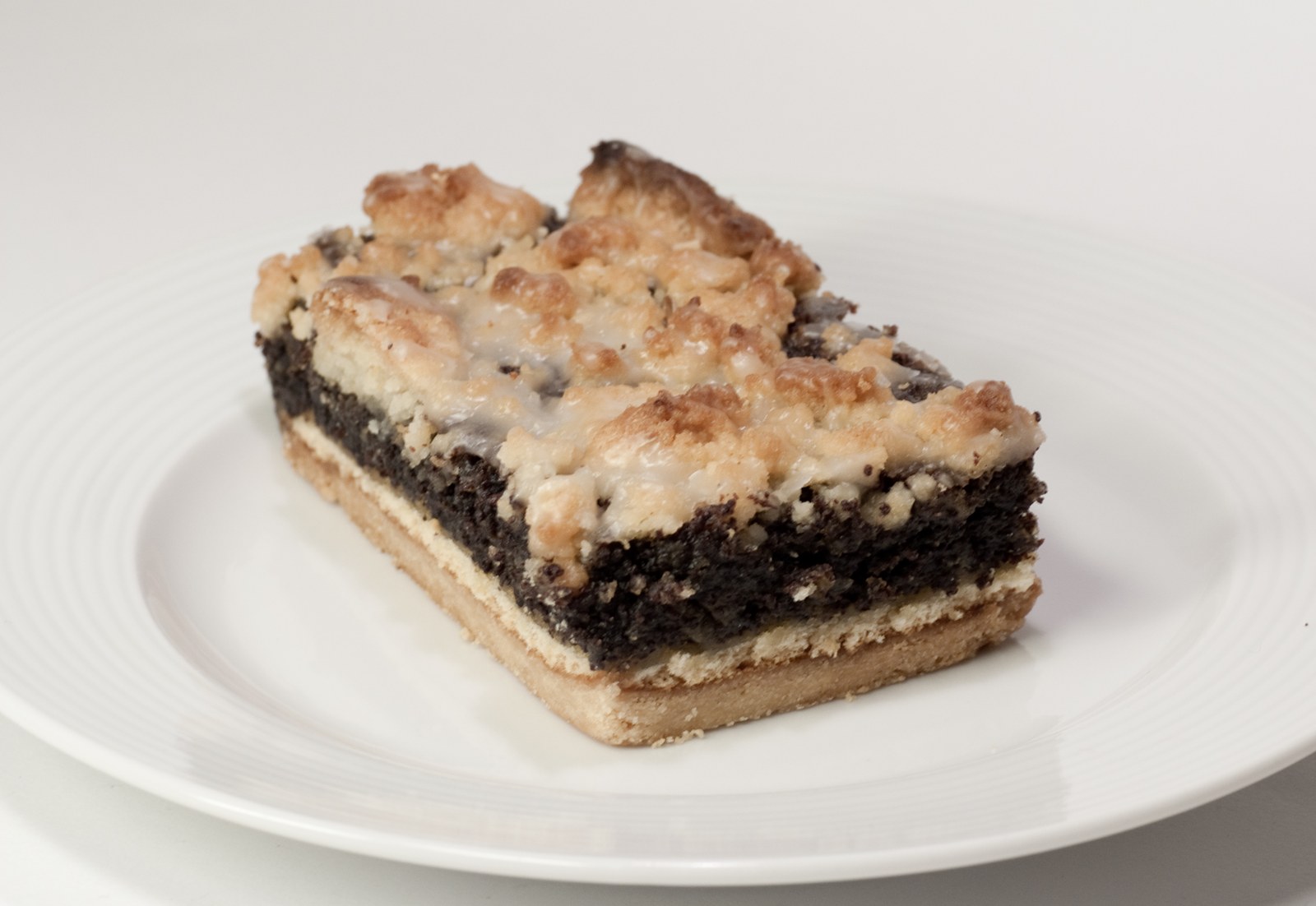
A thick, soft poppy seed layer sits between a thin pastry base and golden butter crumble.
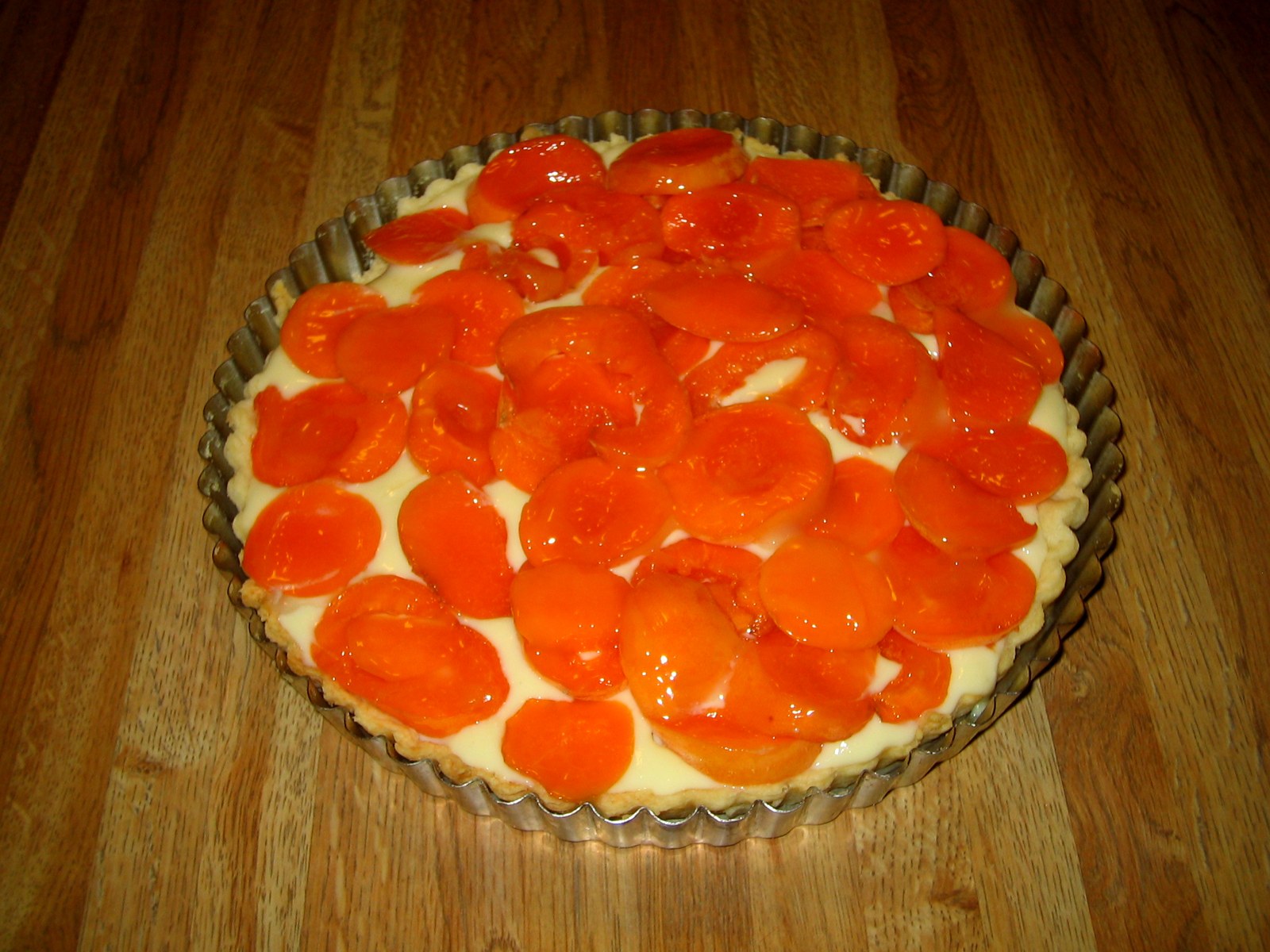
This tart combines a fully baked shortcrust shell, cooked vanilla pastry cream and glossy apricots.
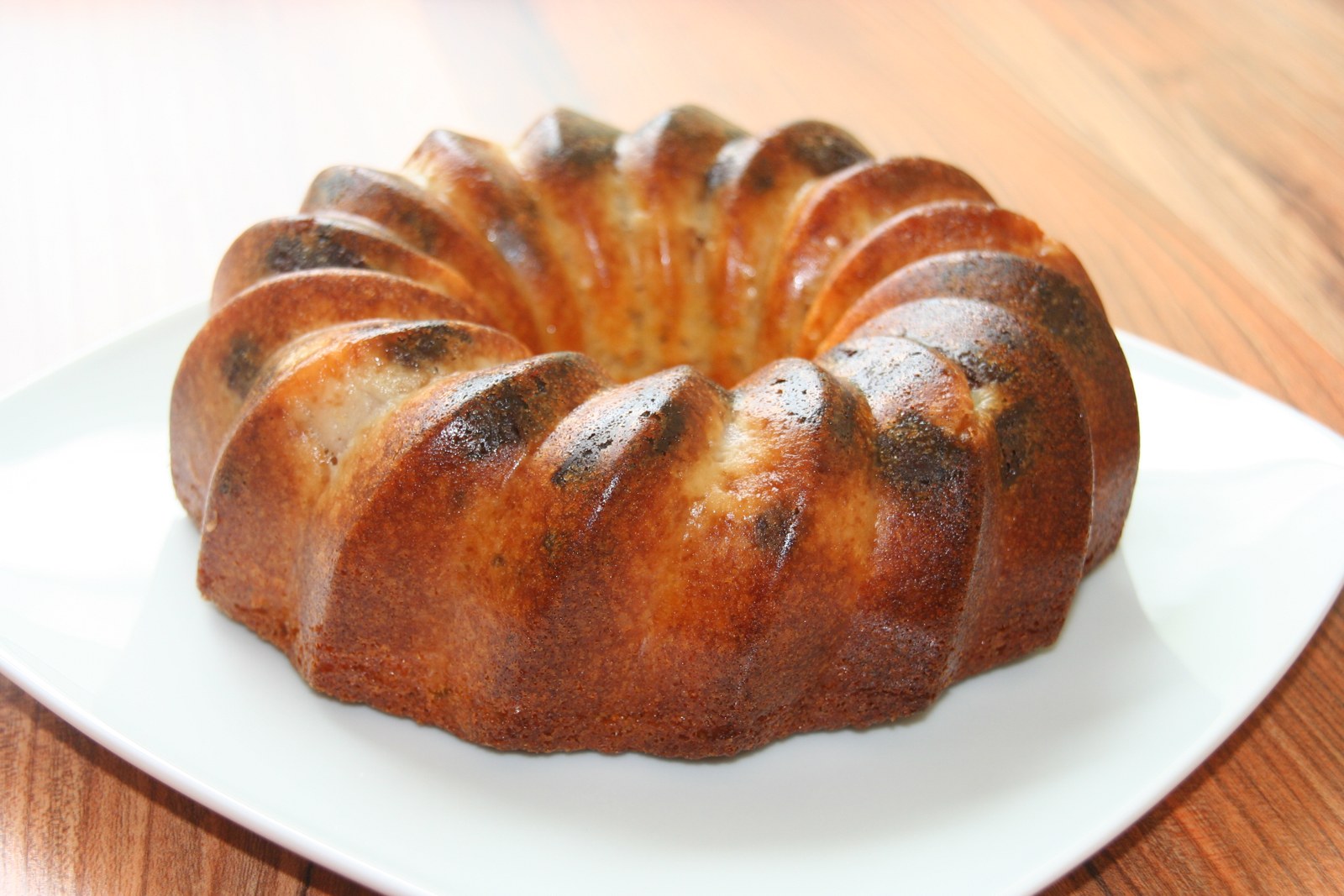 Photo: Francisco Javier Toledo Ravelo from Las Palmas de Gran Canaria, España (Spain) · CC BY-SA 2.0 · Resized / cropped
Small pear cubes and chocolate pieces make this Bundt cake moist without changing its characteristic golden sponge exterior.
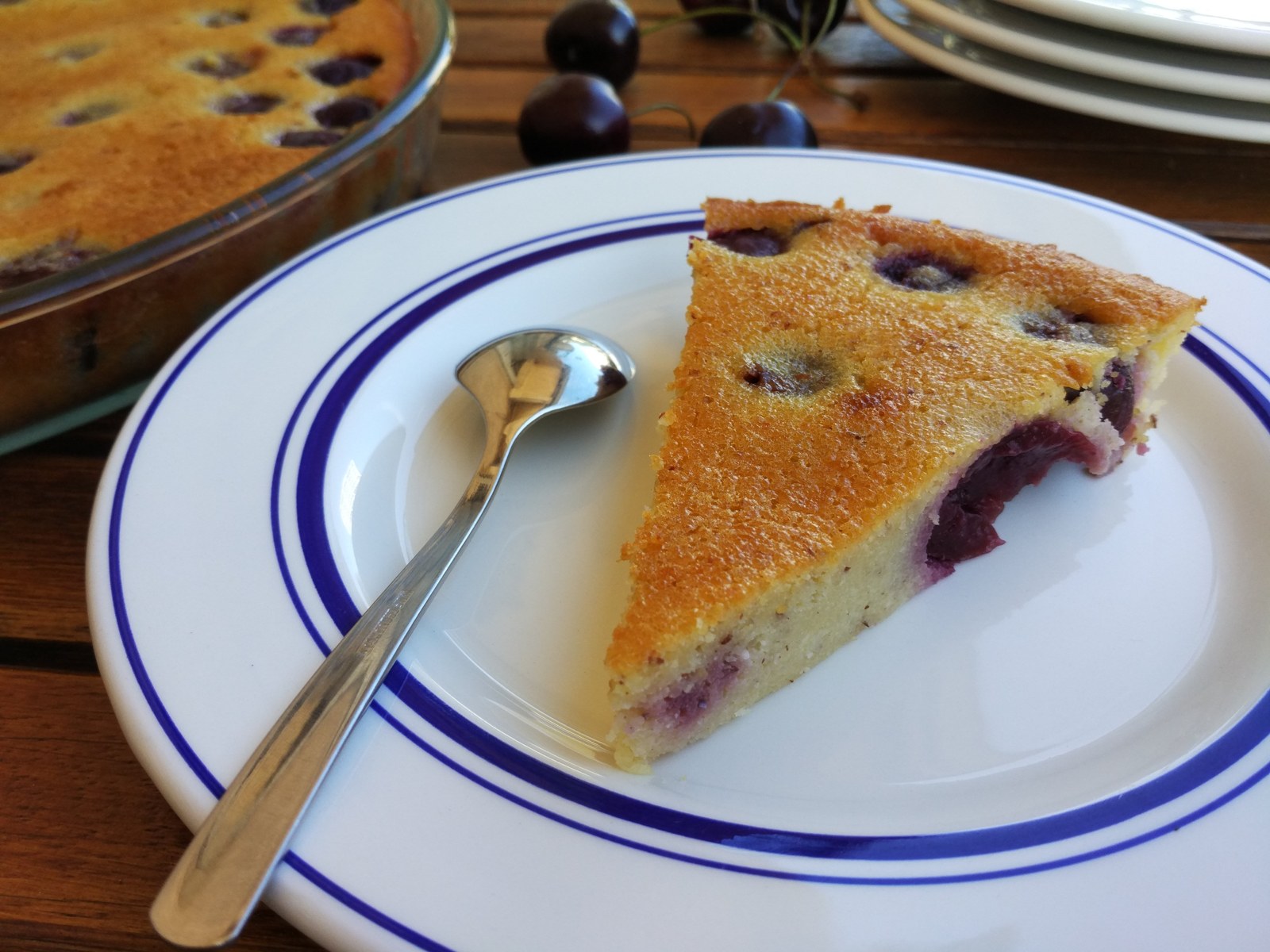
Clafoutis is a soft baked dessert somewhere between a pancake and an egg custard.
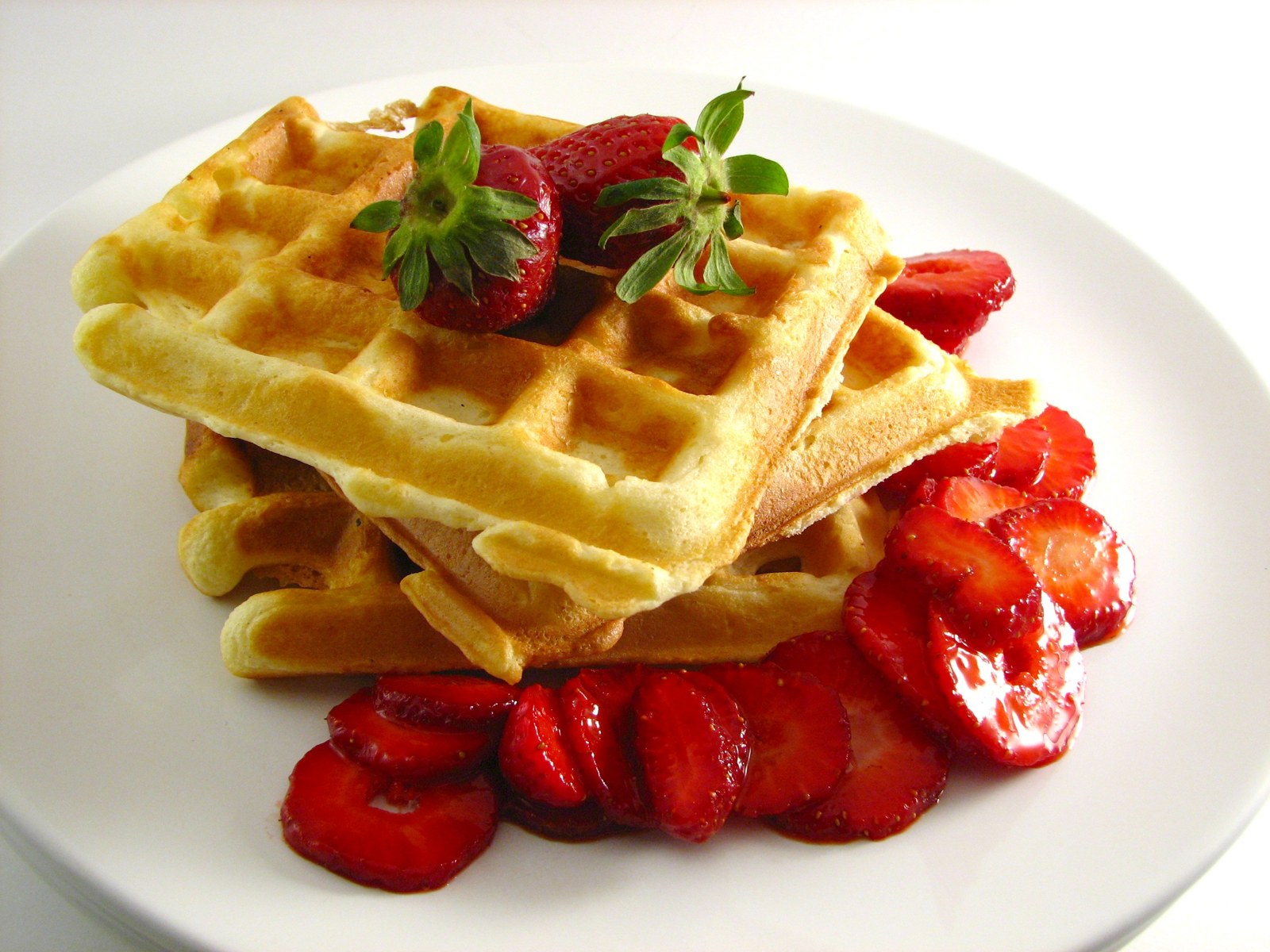
Separated eggs give these waffles a light centre and a lightly crisp surface.
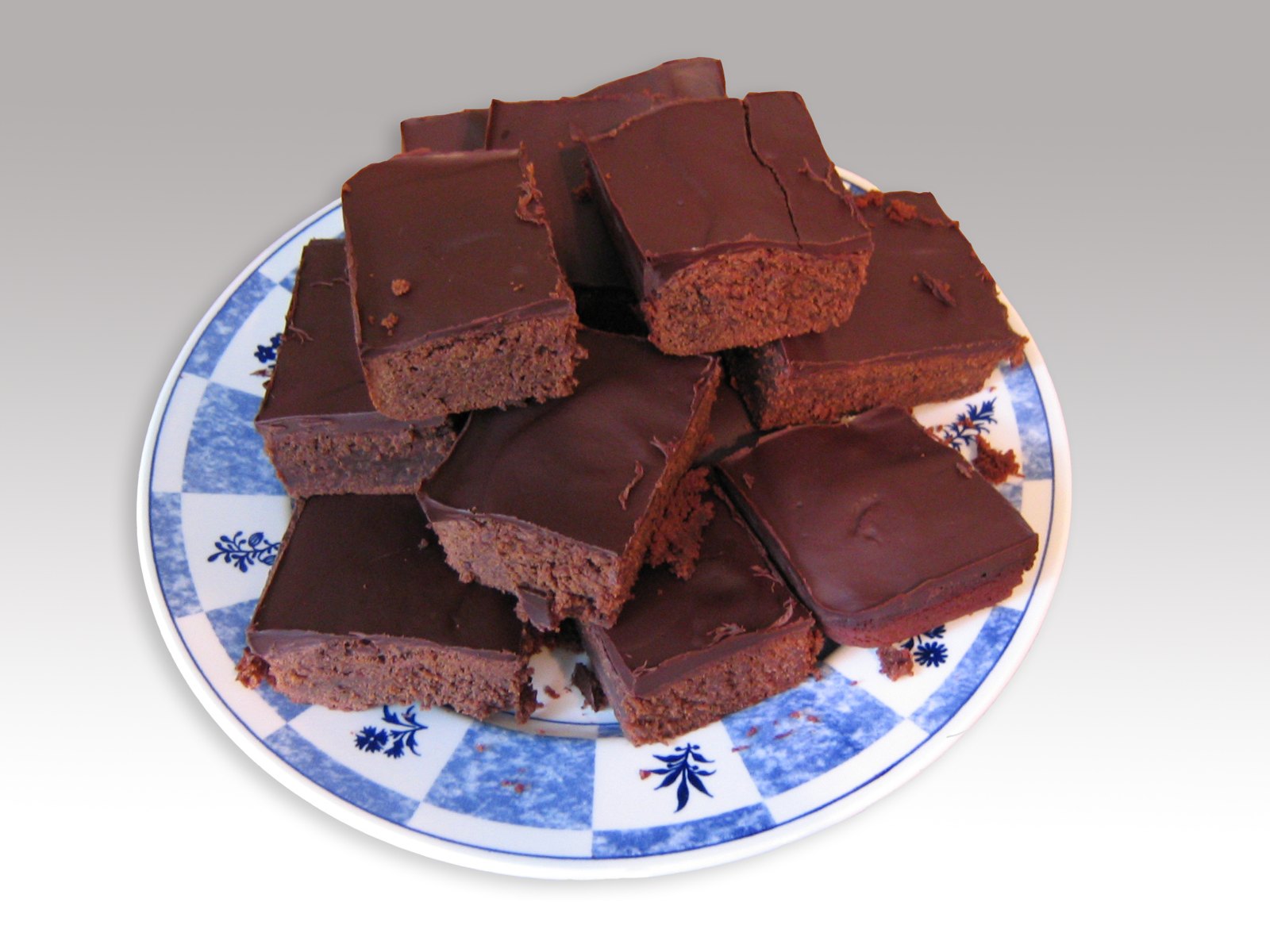
Dense dark-chocolate brownies finished with a smooth chocolate layer.
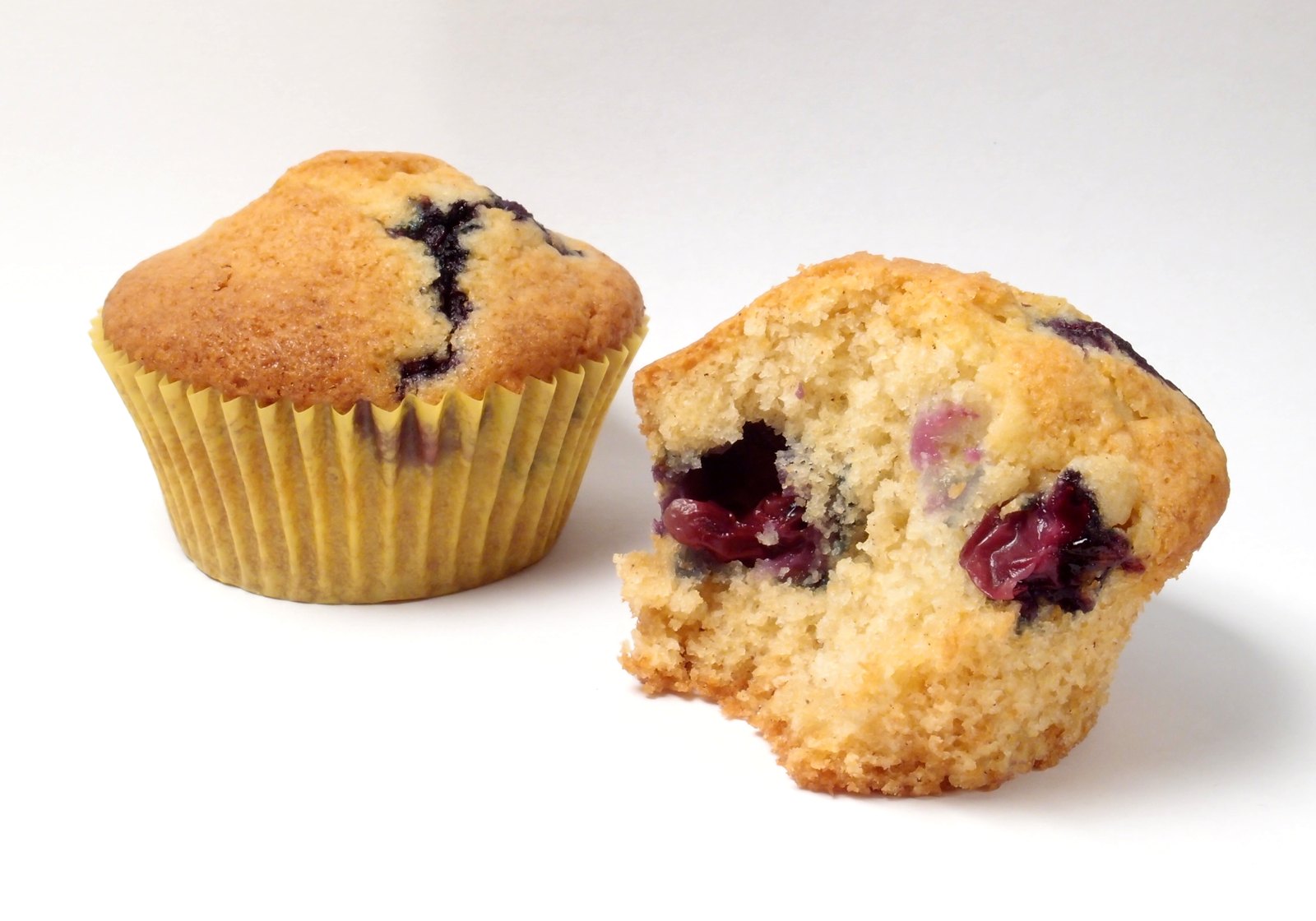
Twelve tender muffins with whole blueberries and gently browned tops.
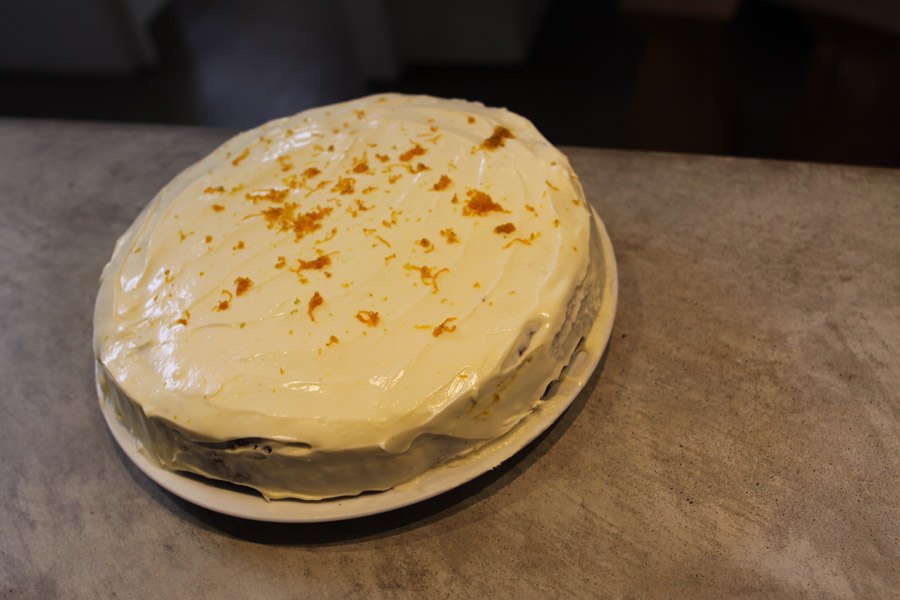
A moist cinnamon carrot cake finished with a pale cream cheese layer.
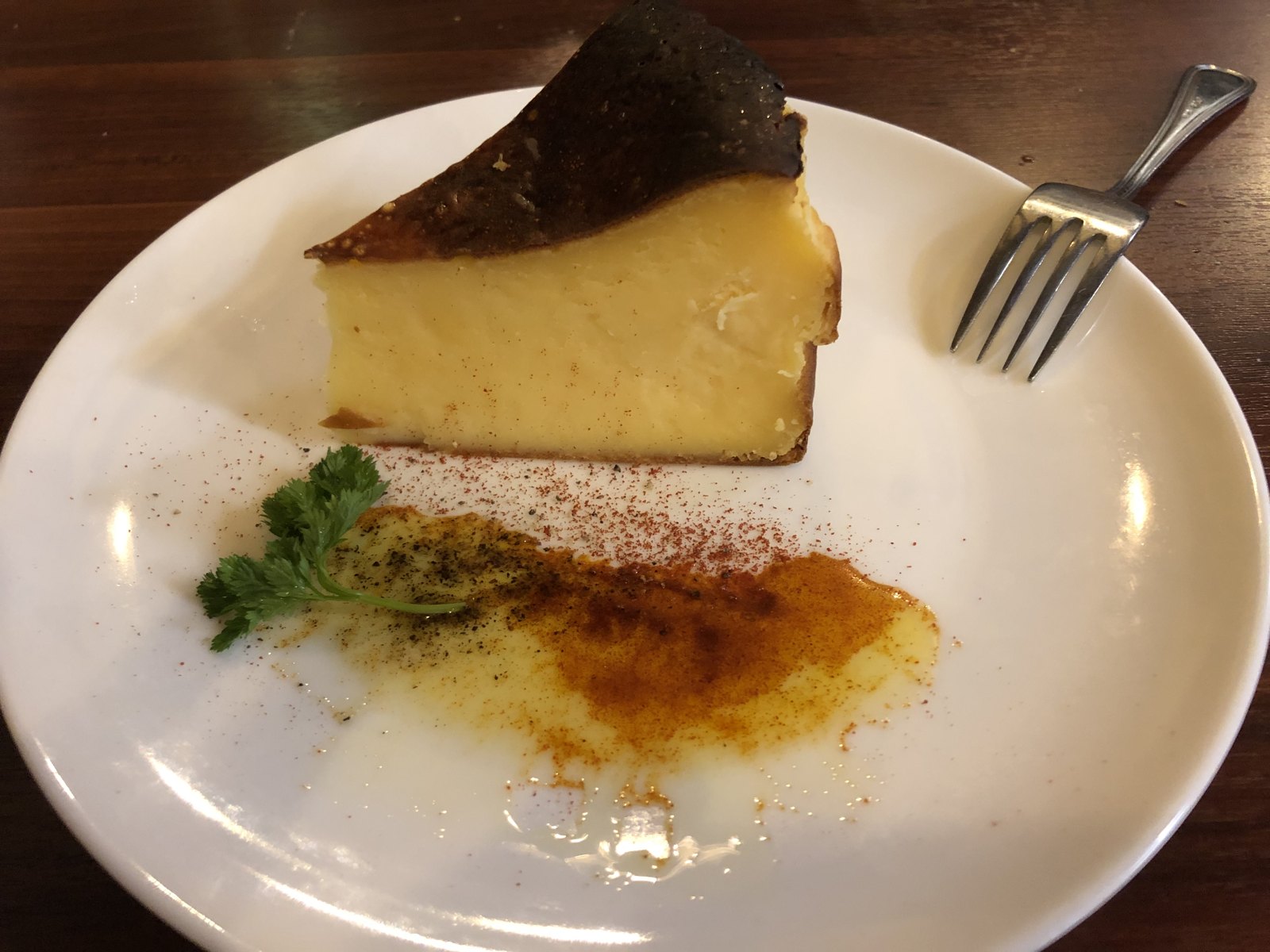
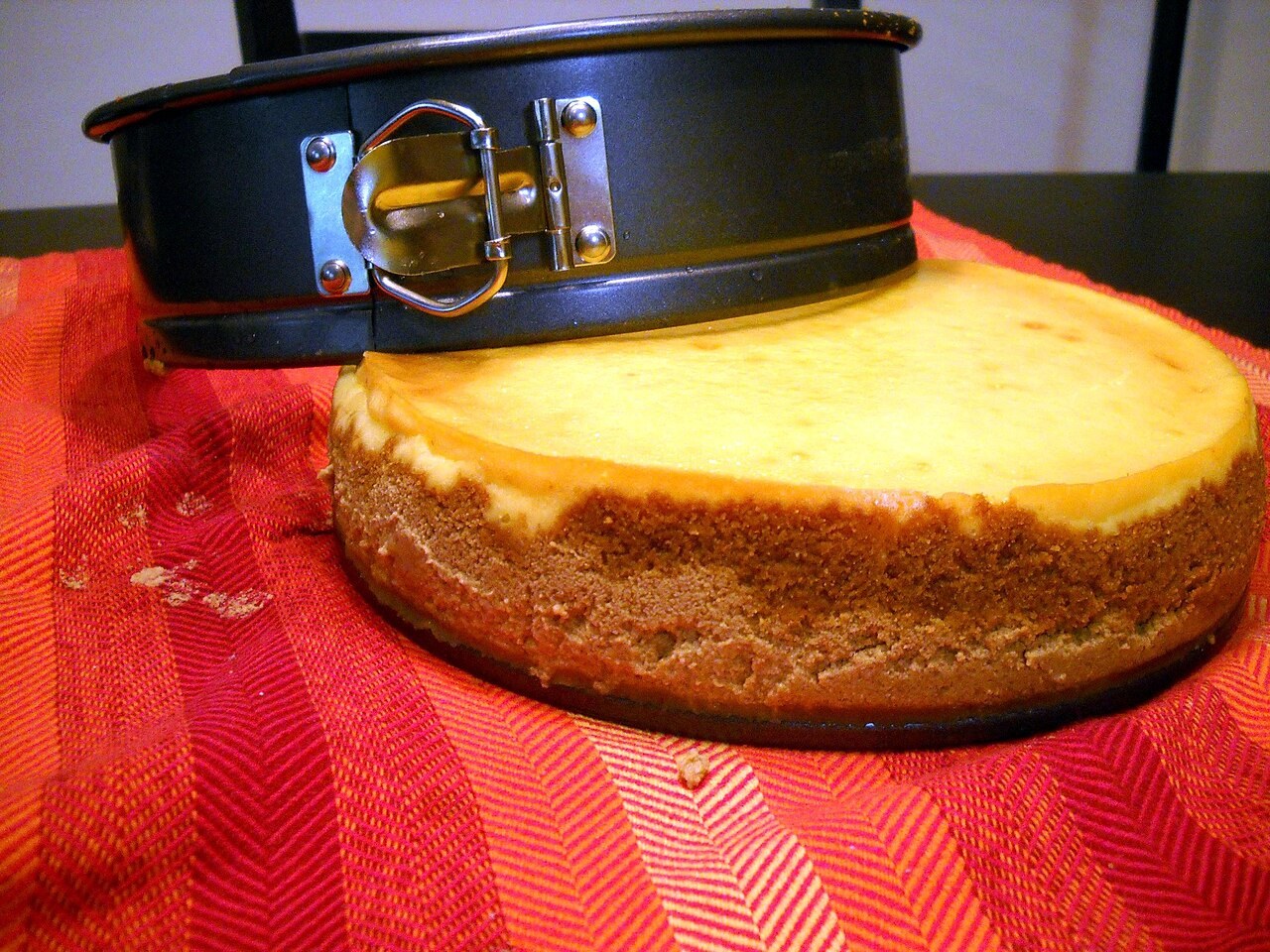
A creamy cream-cheese cake with a deeply browned top.
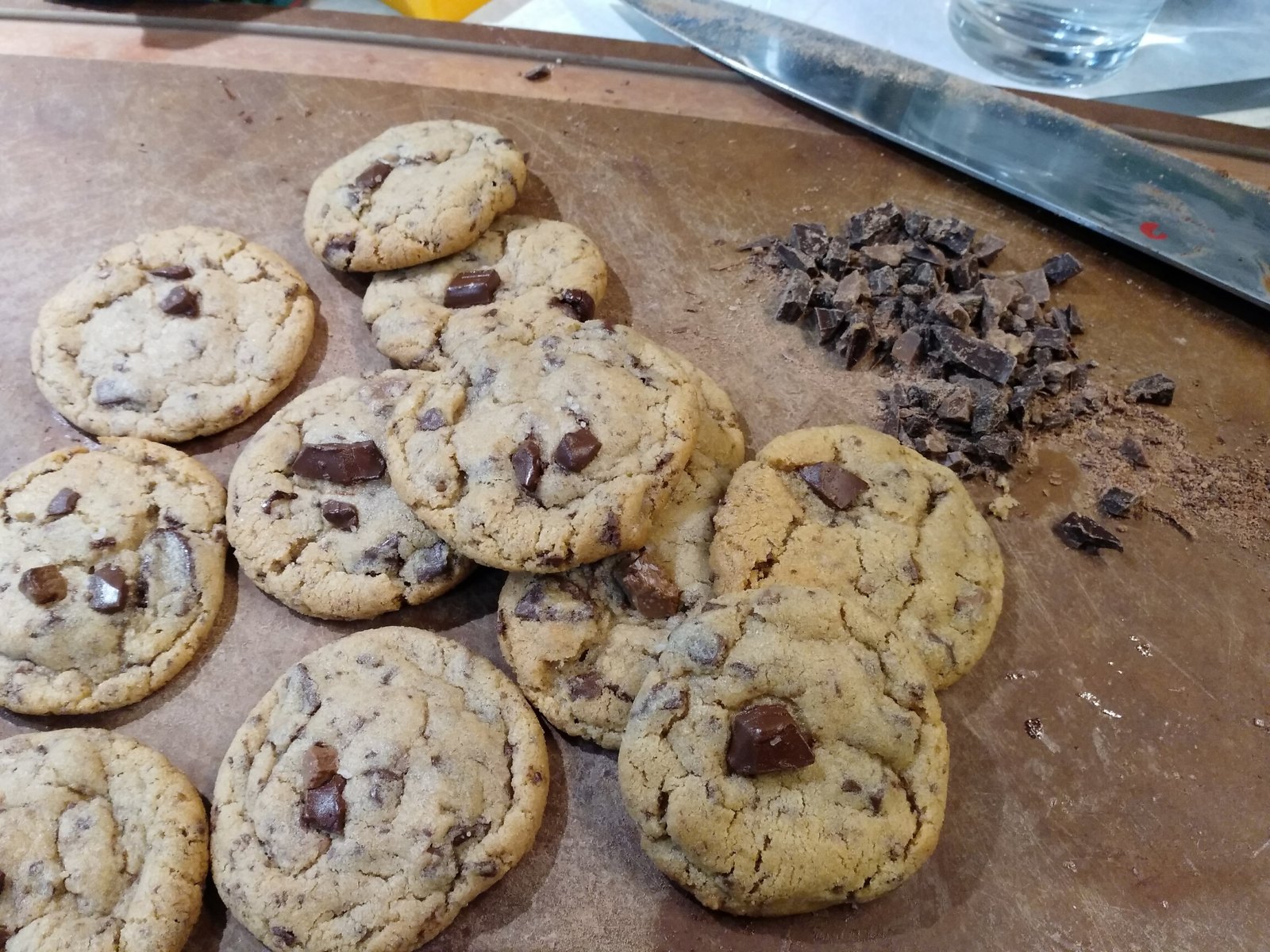
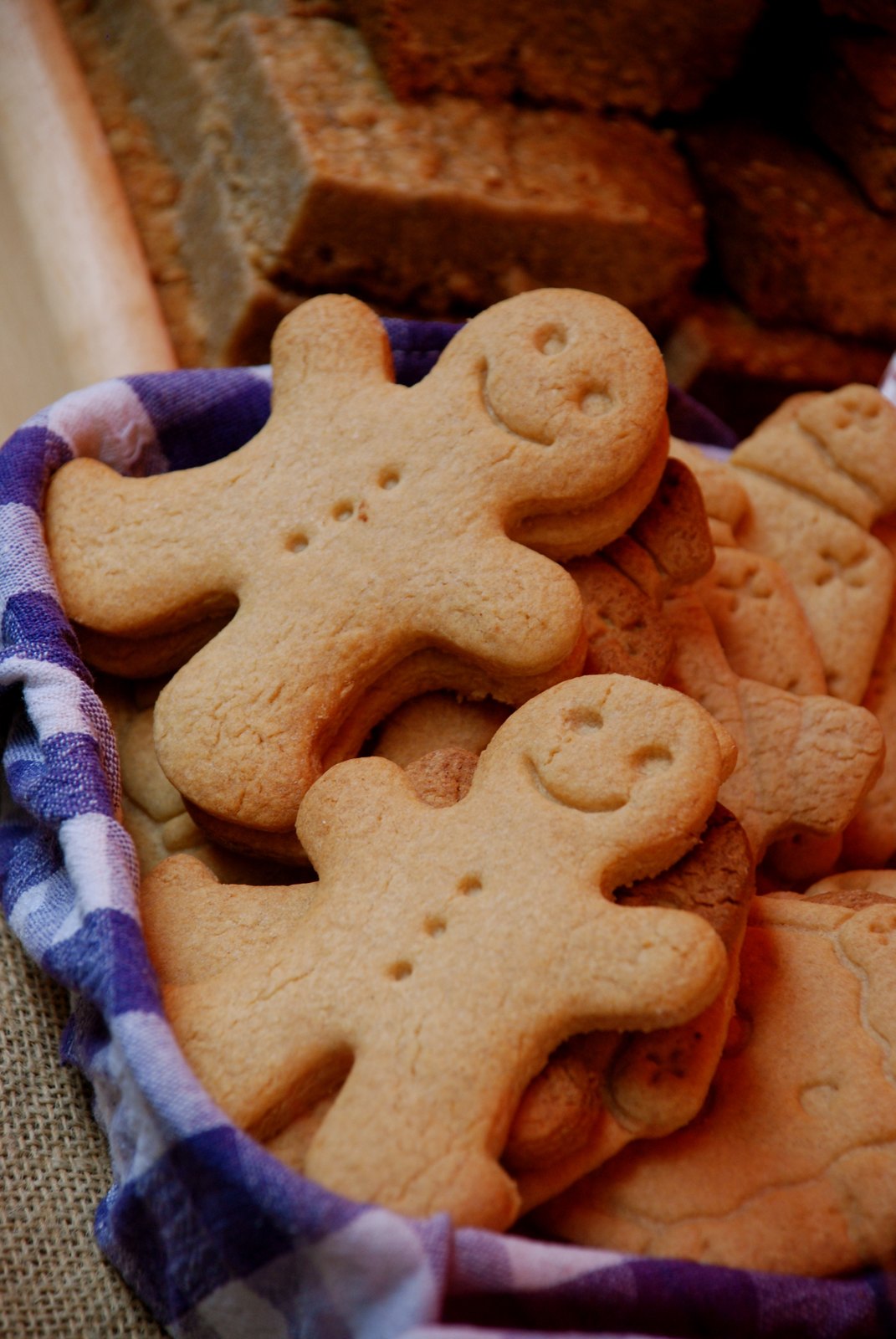
Spiced cut-out biscuits flavoured with ginger and dark syrup.
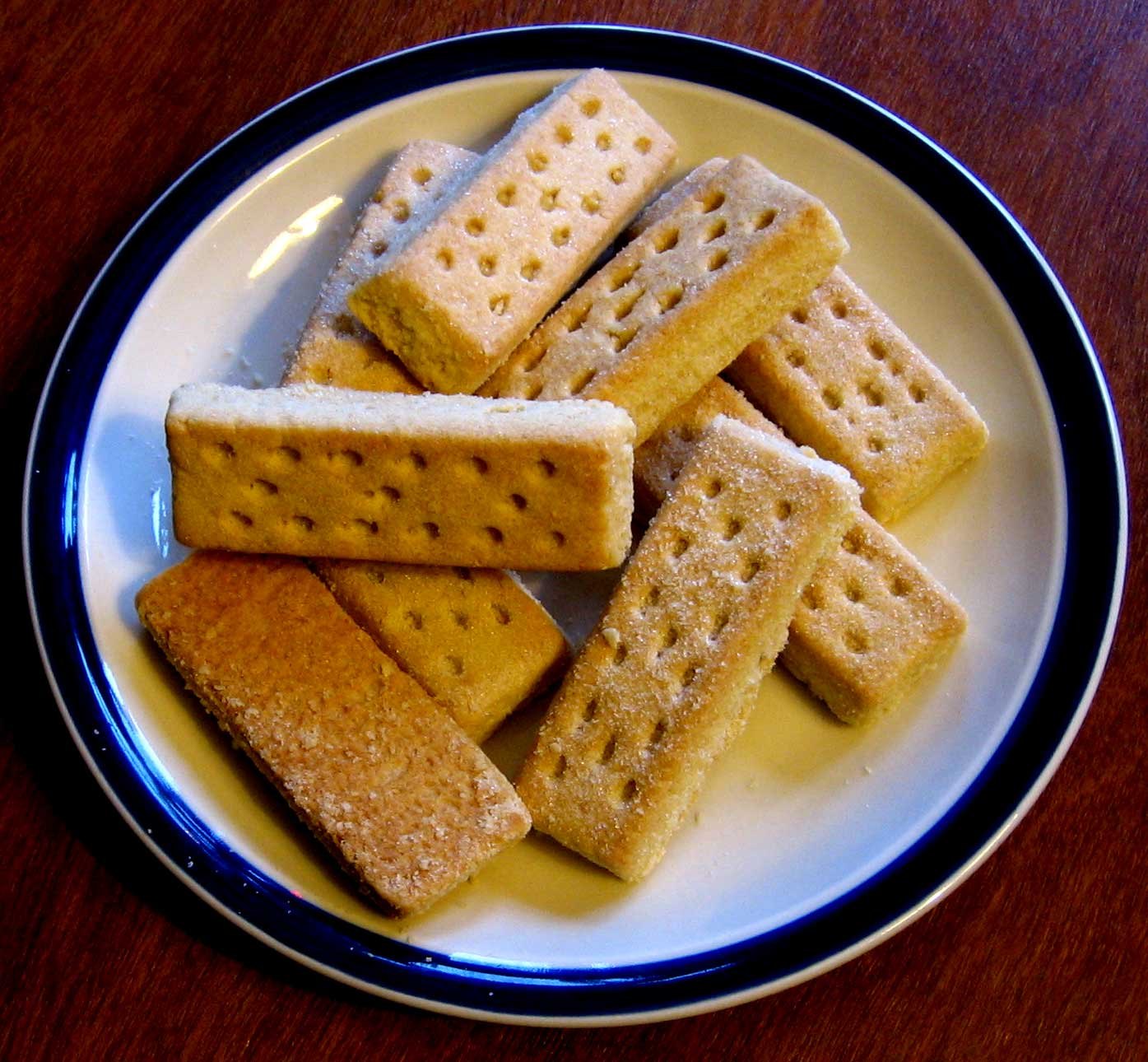
Crumbly Scottish-style biscuits with a small addition of rice flour.
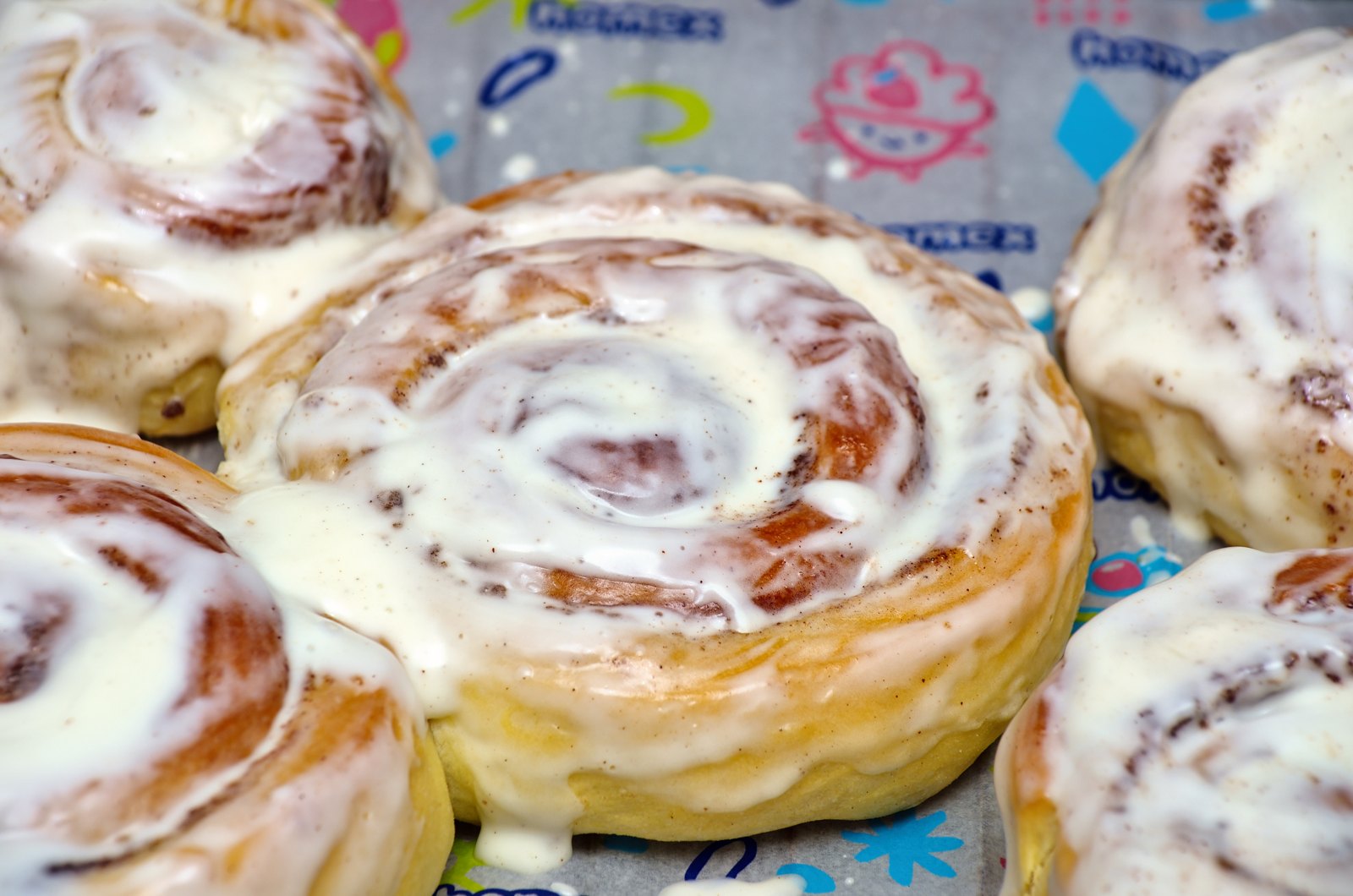
Soft yeast rolls with cinnamon filling and pale icing.
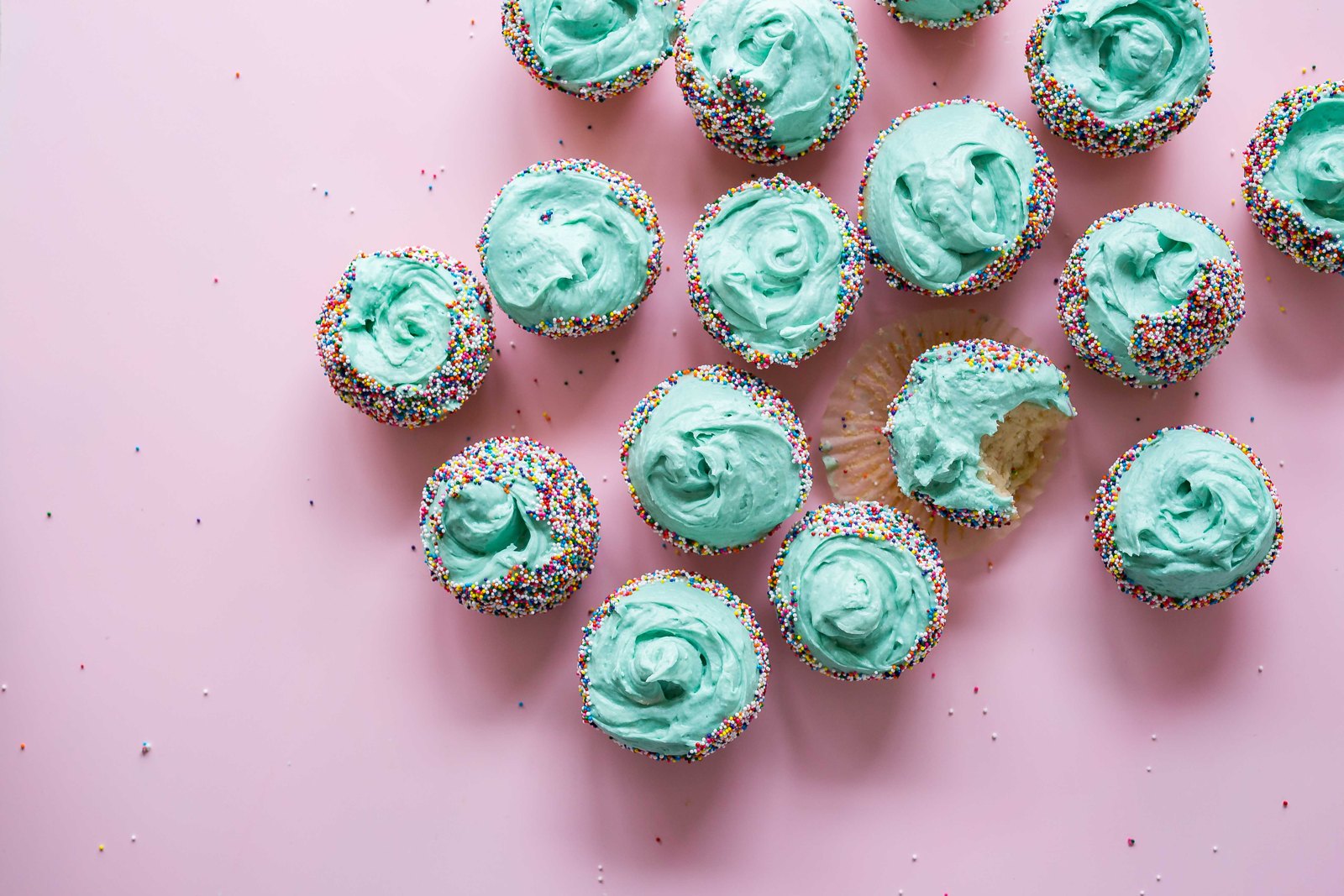
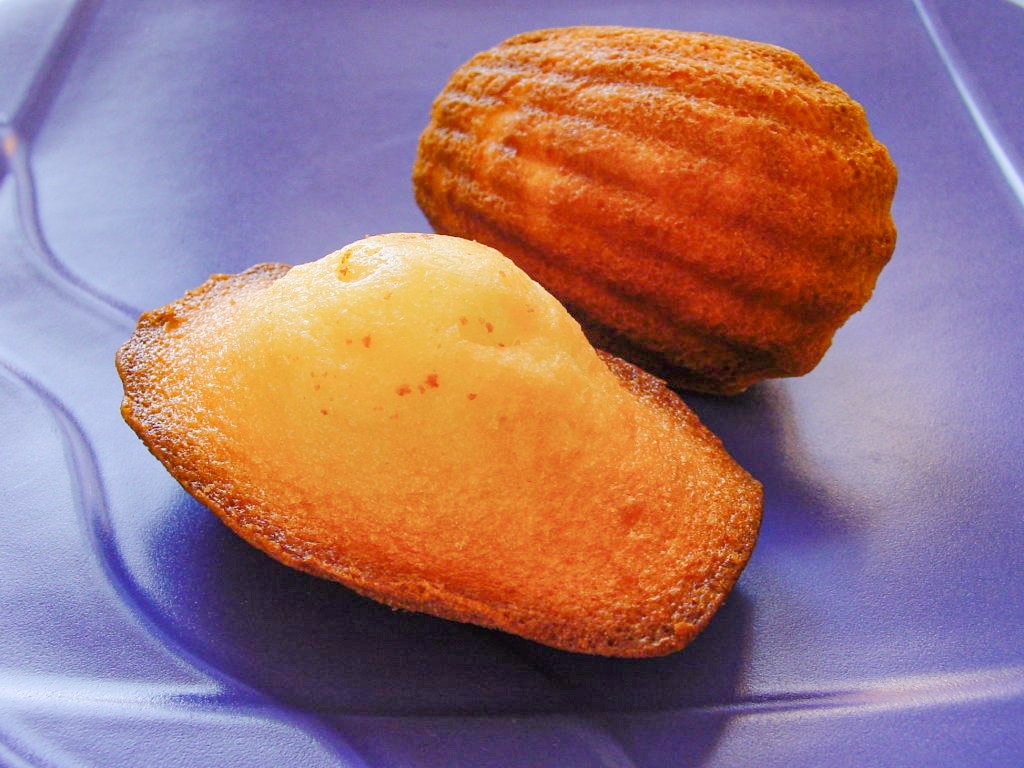
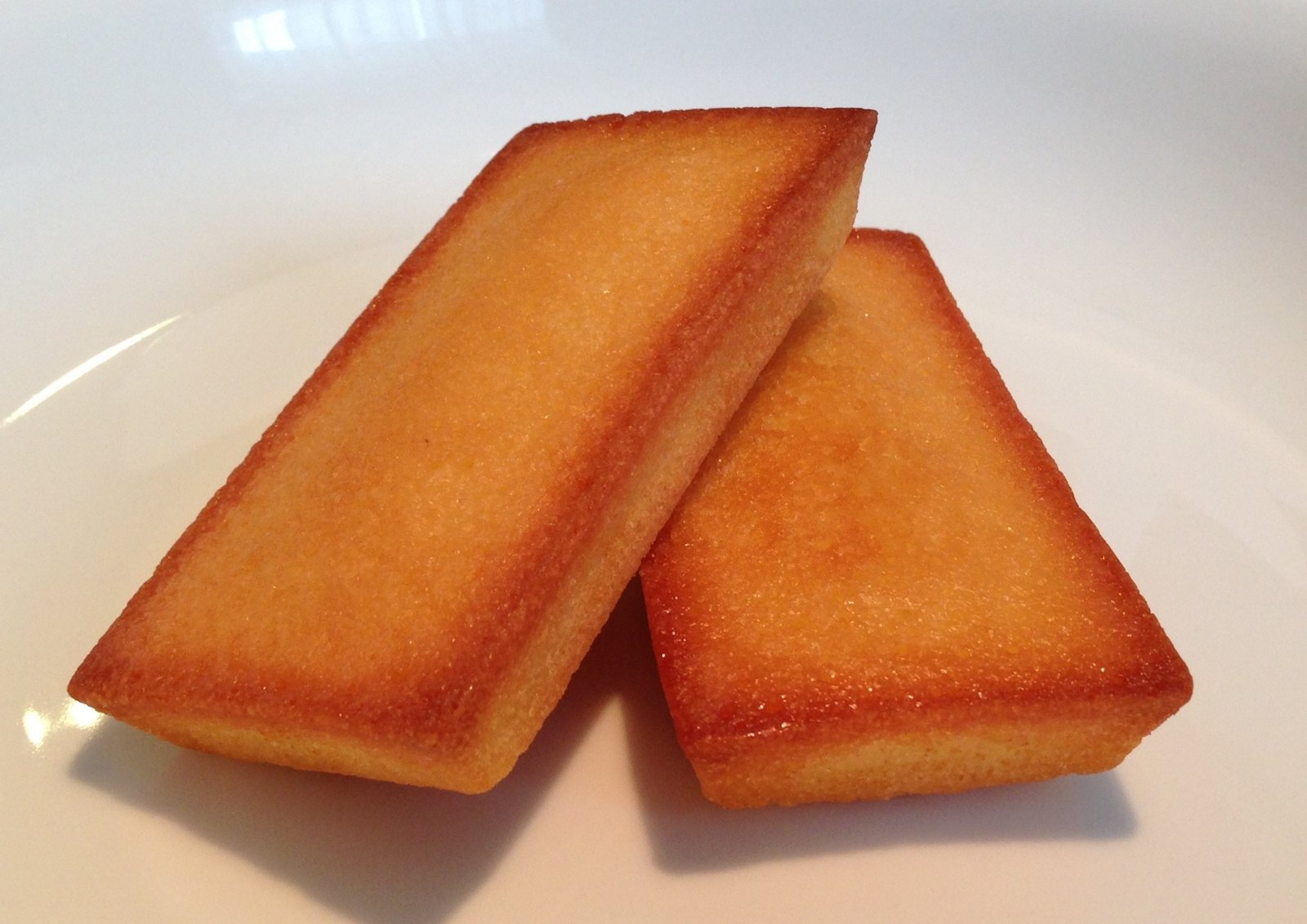
Small almond cakes made with egg whites and nutty browned butter.
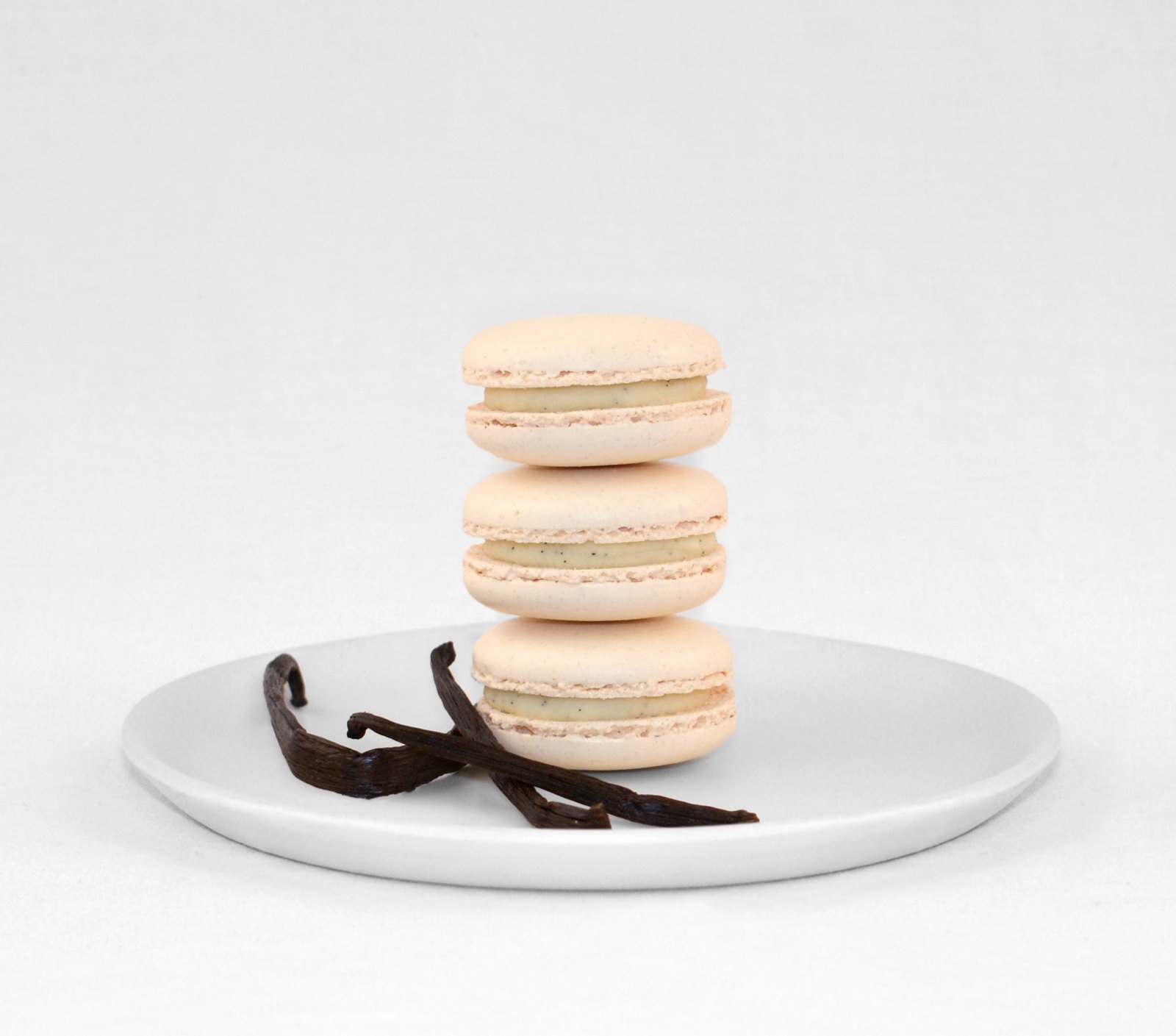
Pale almond shells sandwiched around a simple vanilla filling.
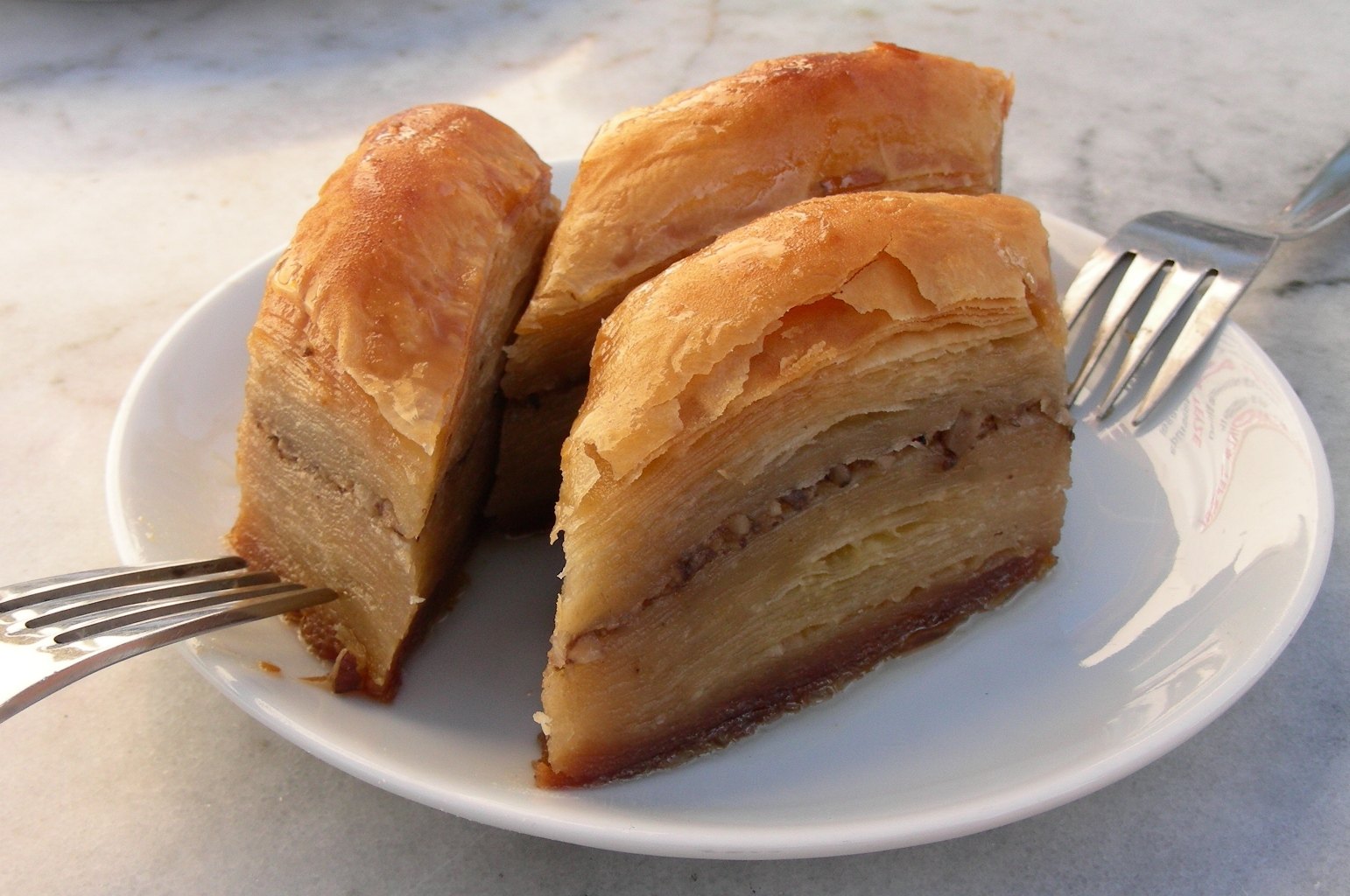
Buttered filo layers filled with walnuts and finished with lemon syrup.
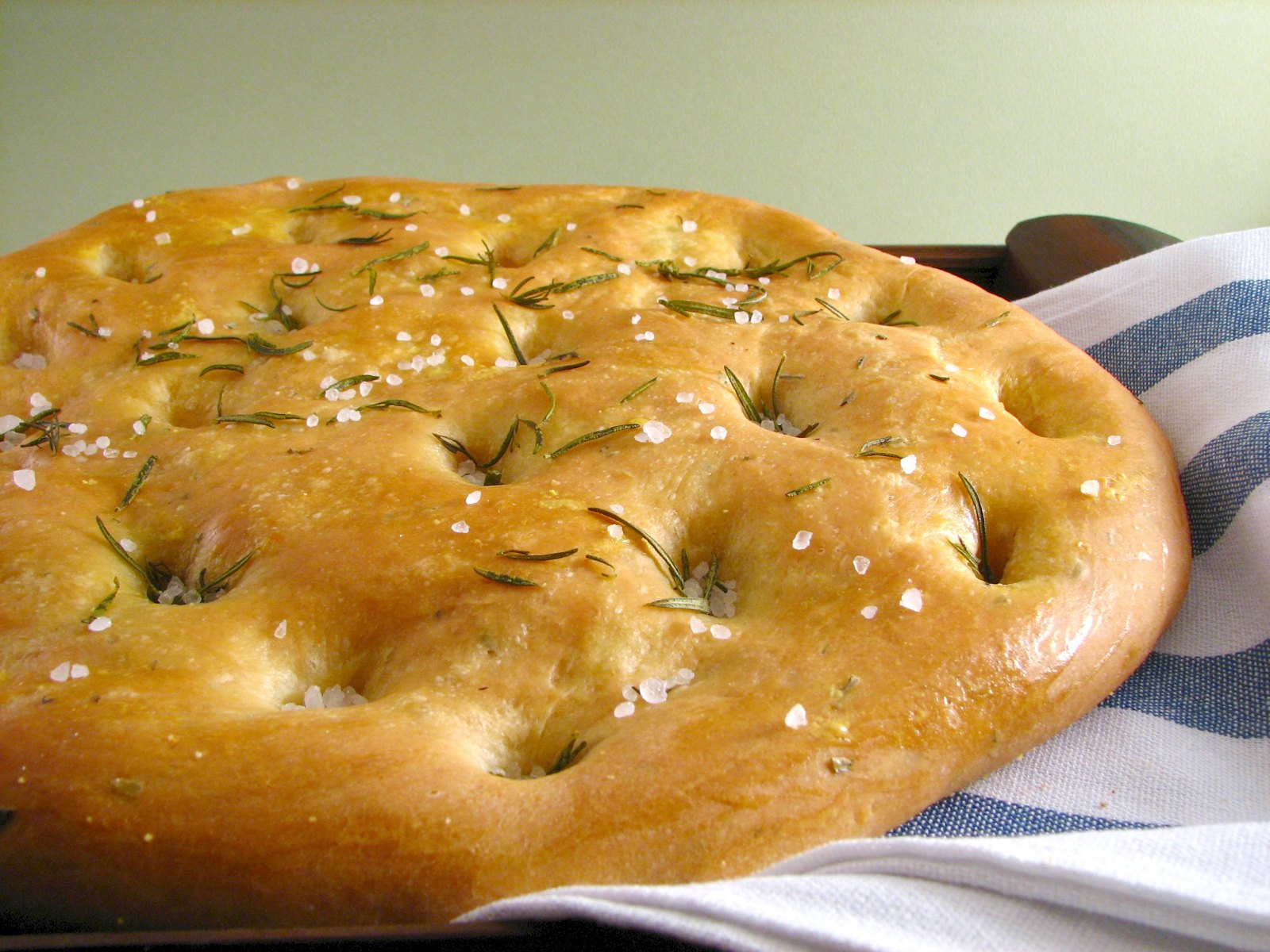
Focaccia gets its surface from deep fingertip dimples and a generous film of oil.
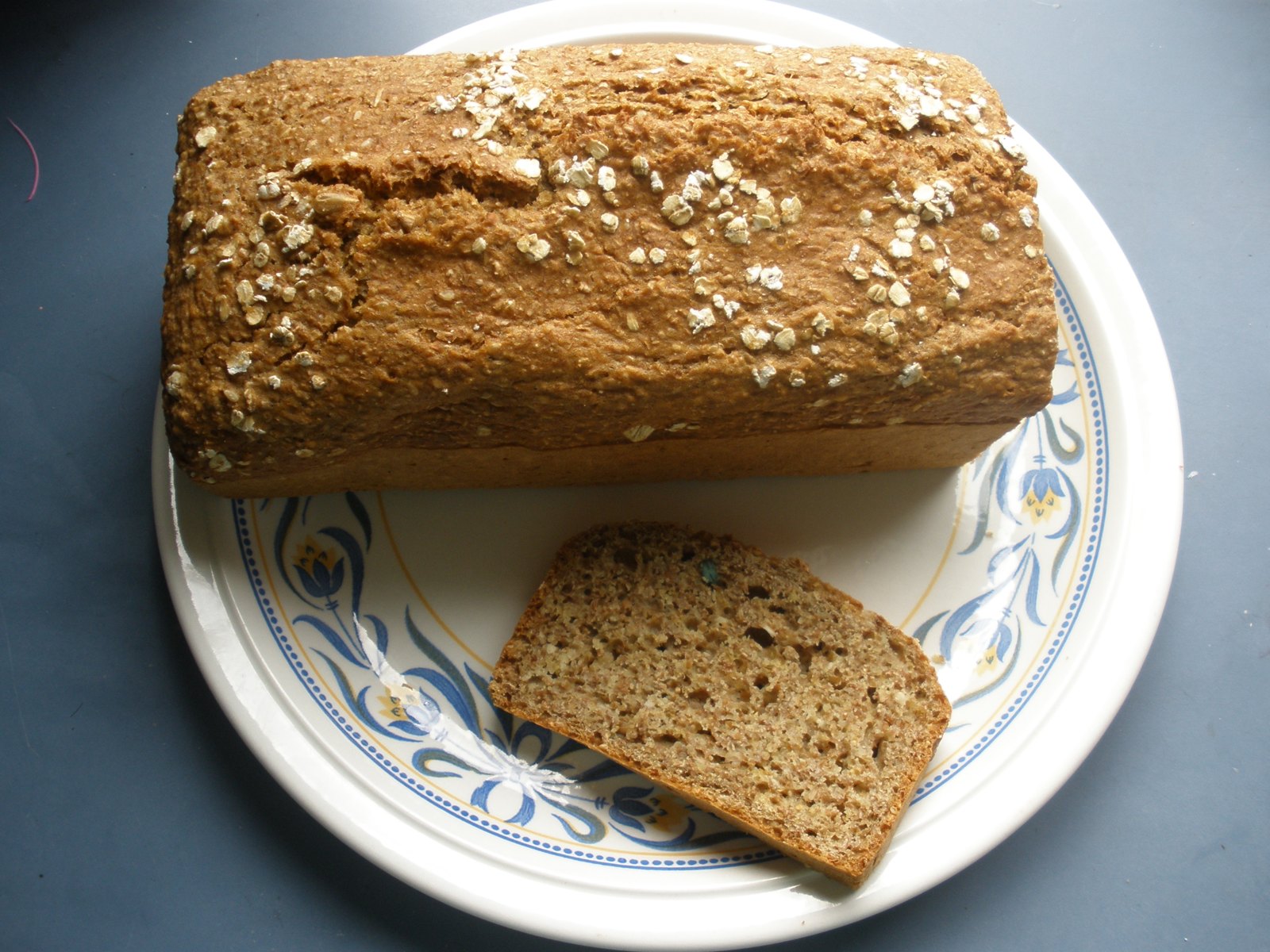
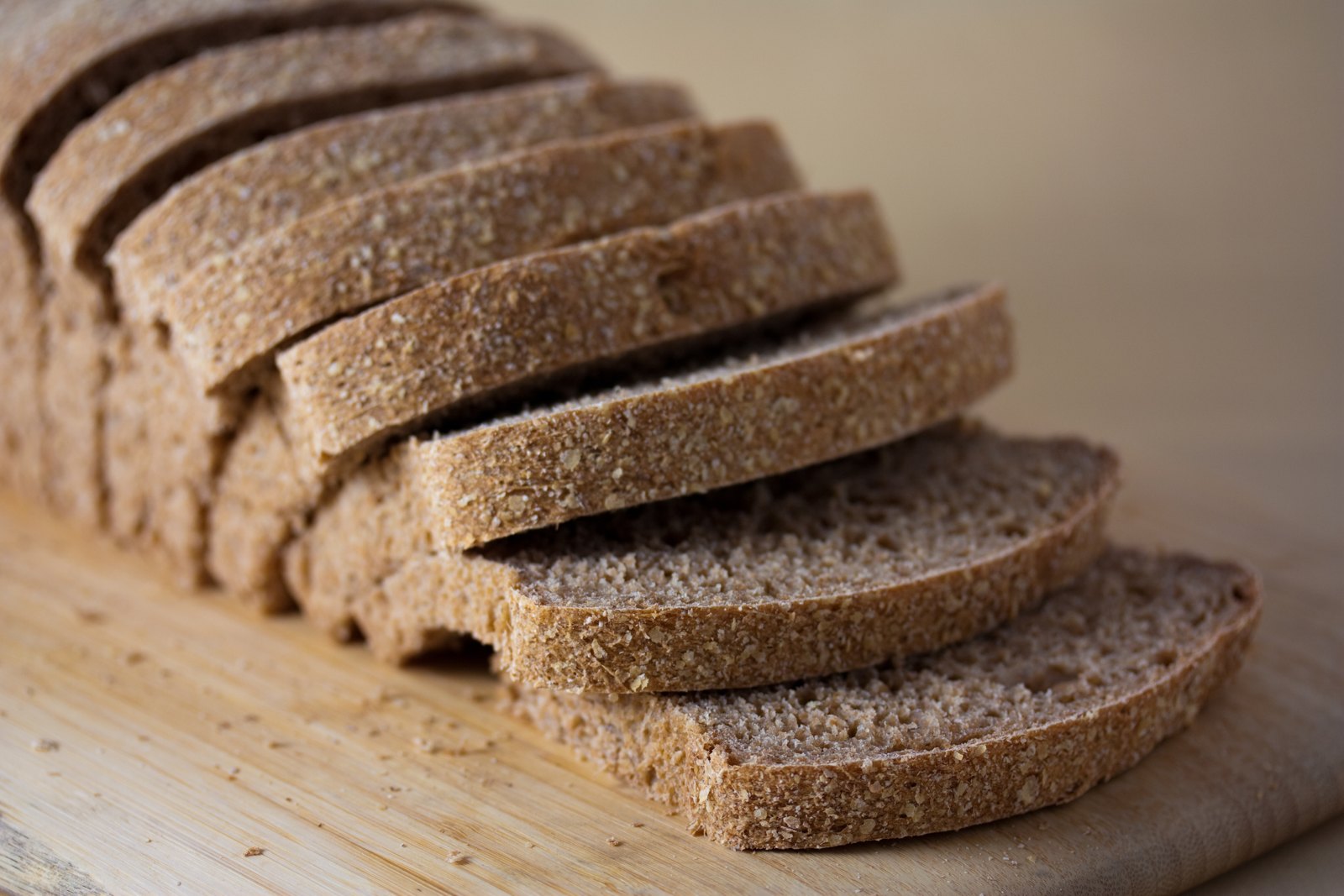
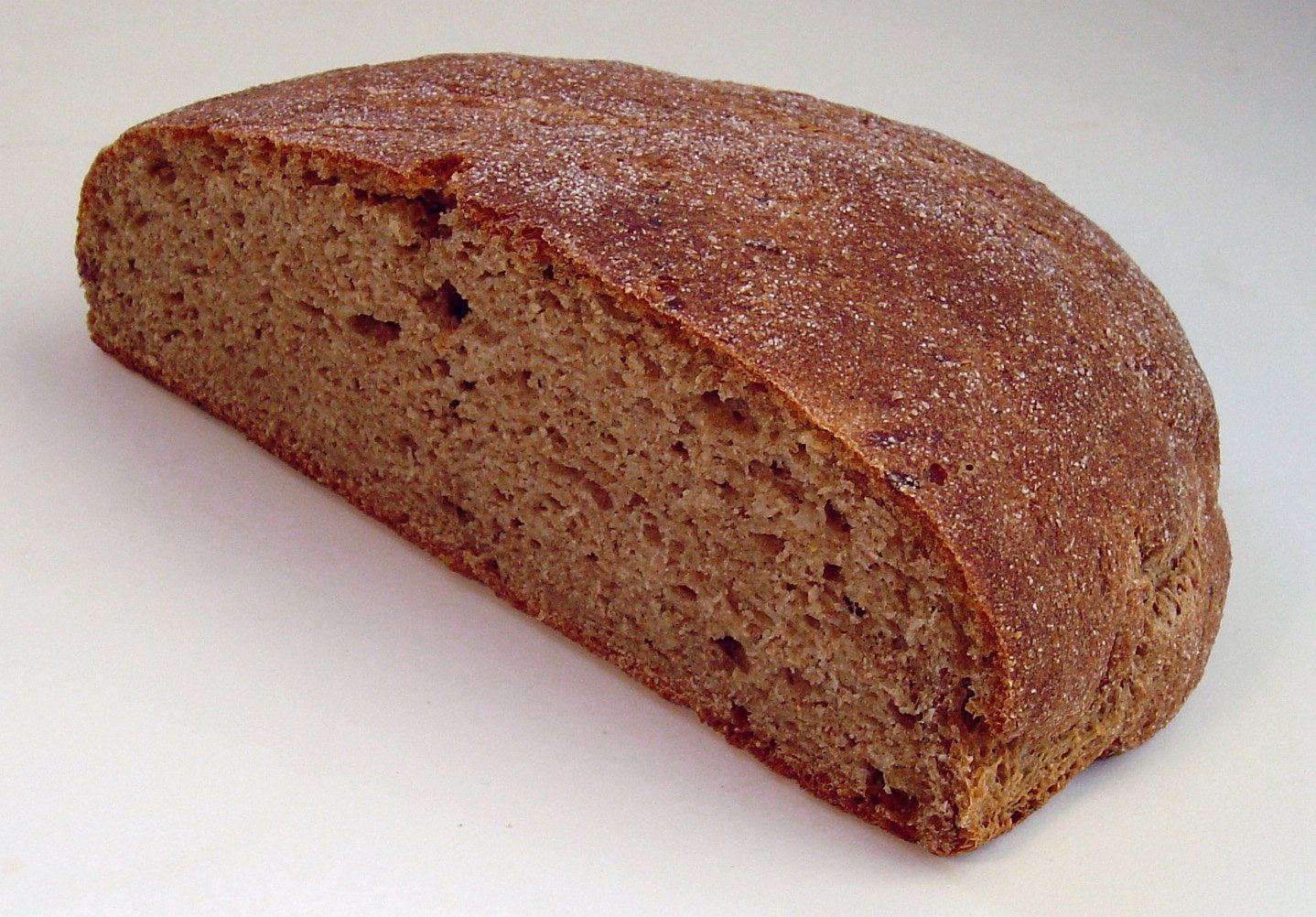
Rye flour makes this crumb fuller and slightly denser than an all-wheat loaf.
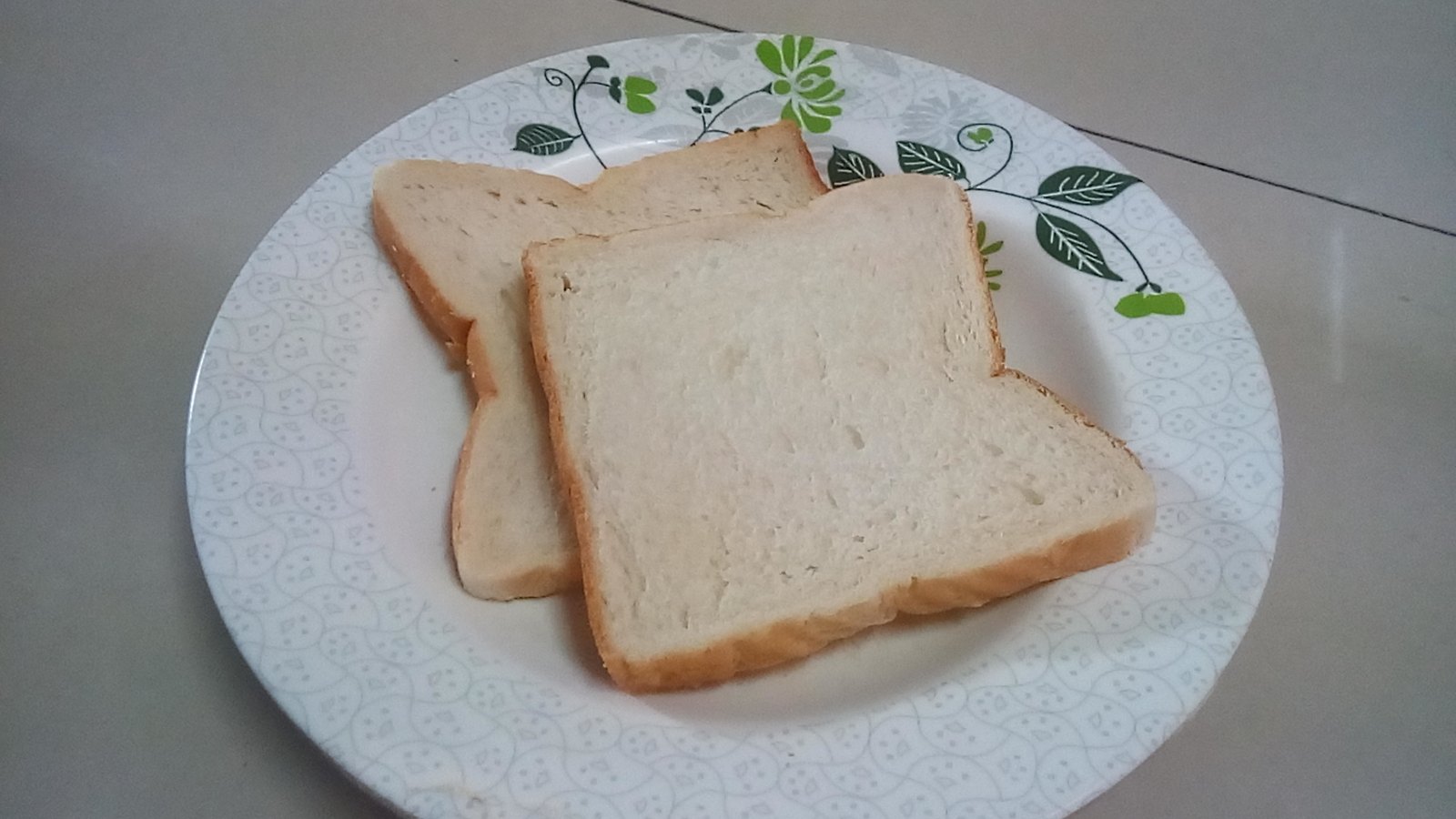
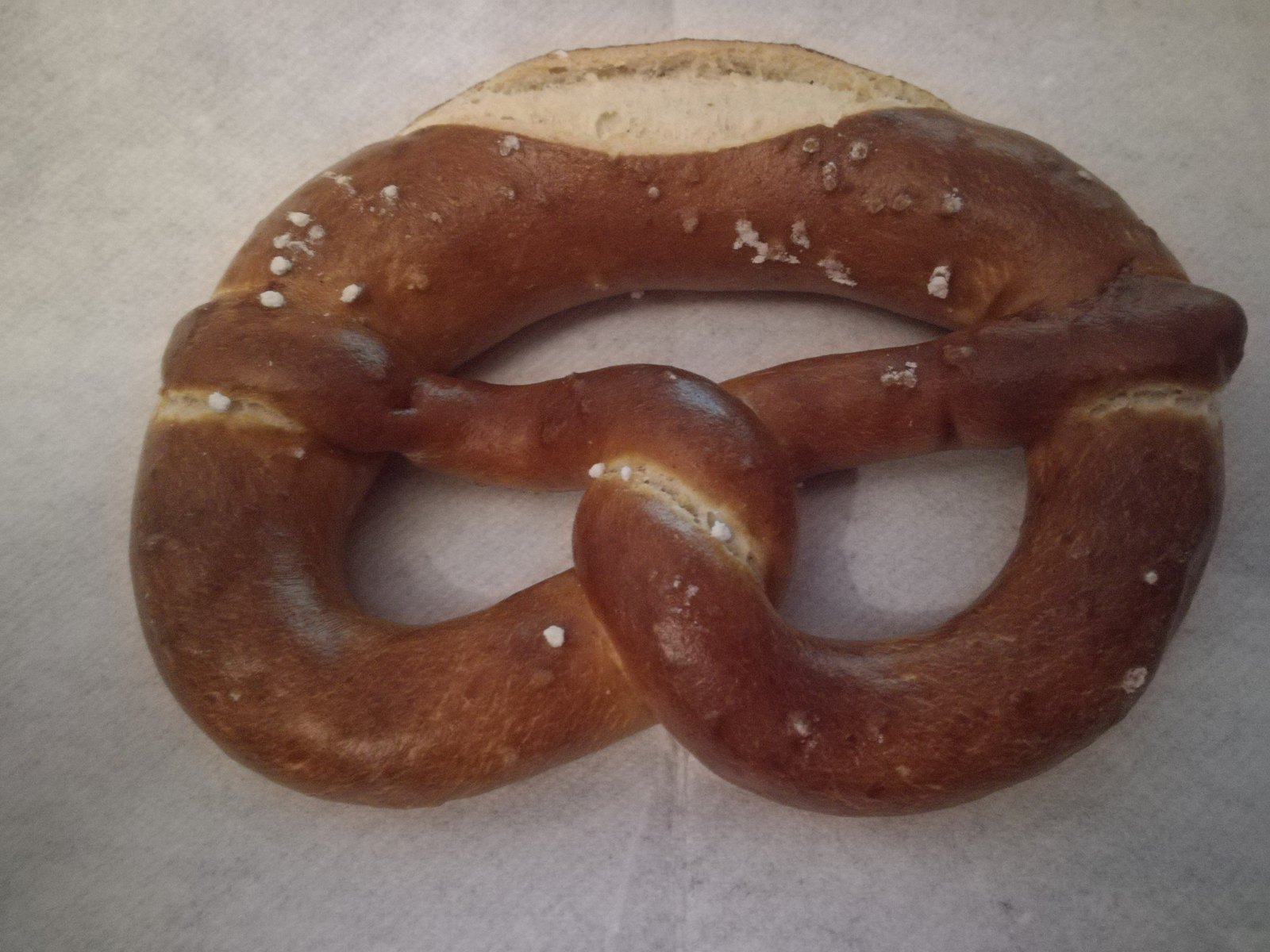
These pretzels receive a bicarbonate bath instead of a lye treatment.
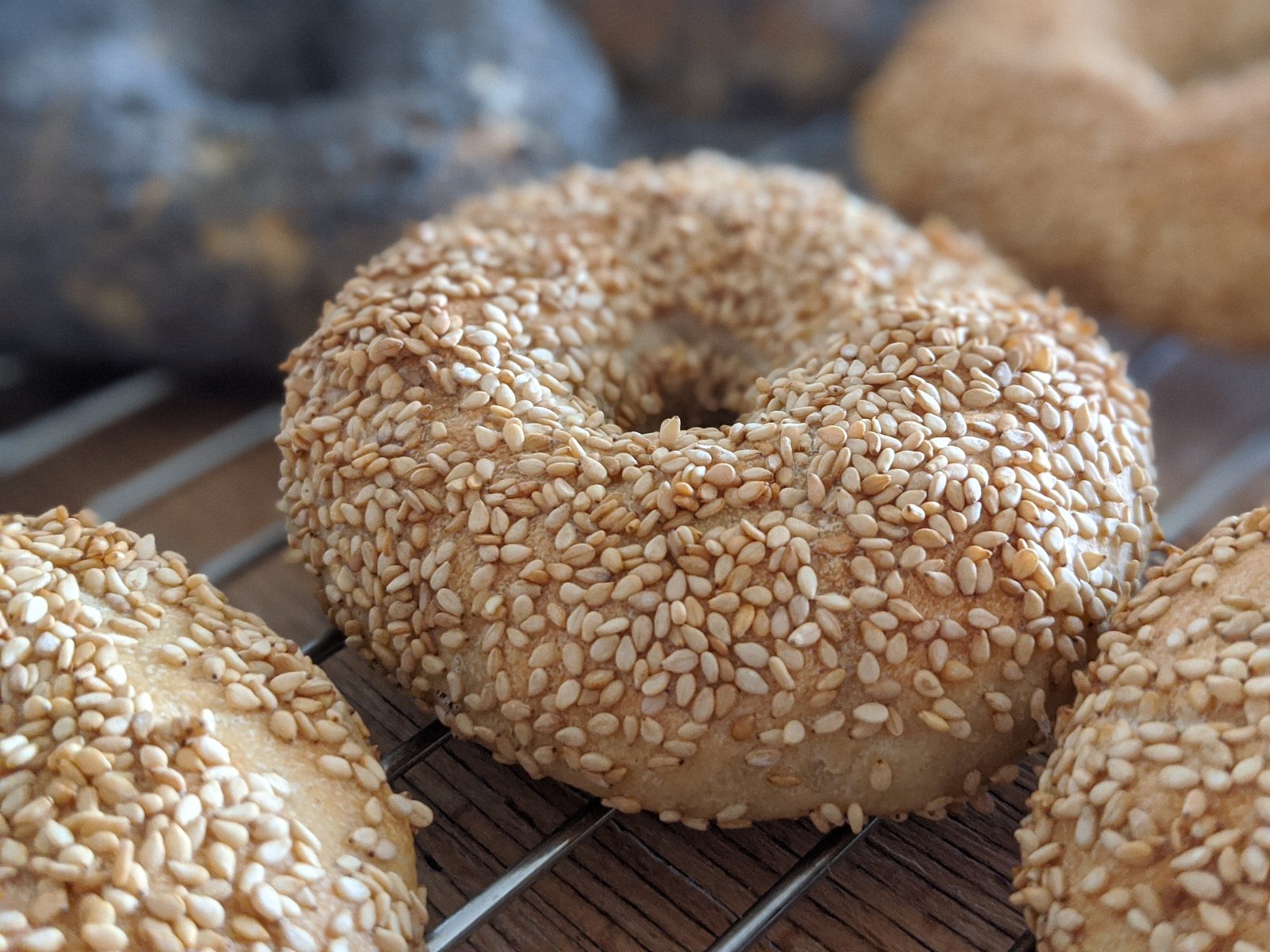
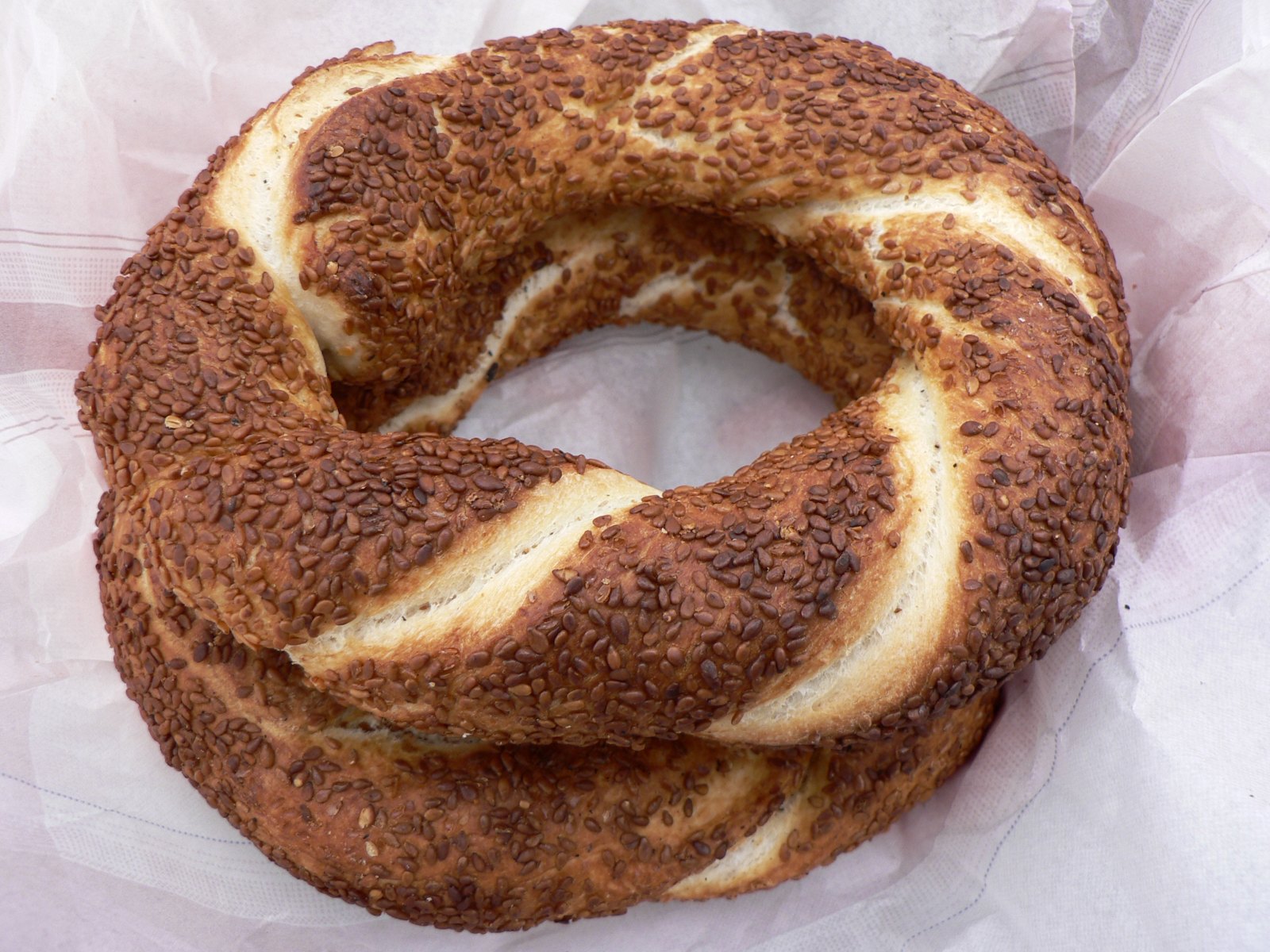
A brief water bath sets the bagel surface before the rings enter the oven.
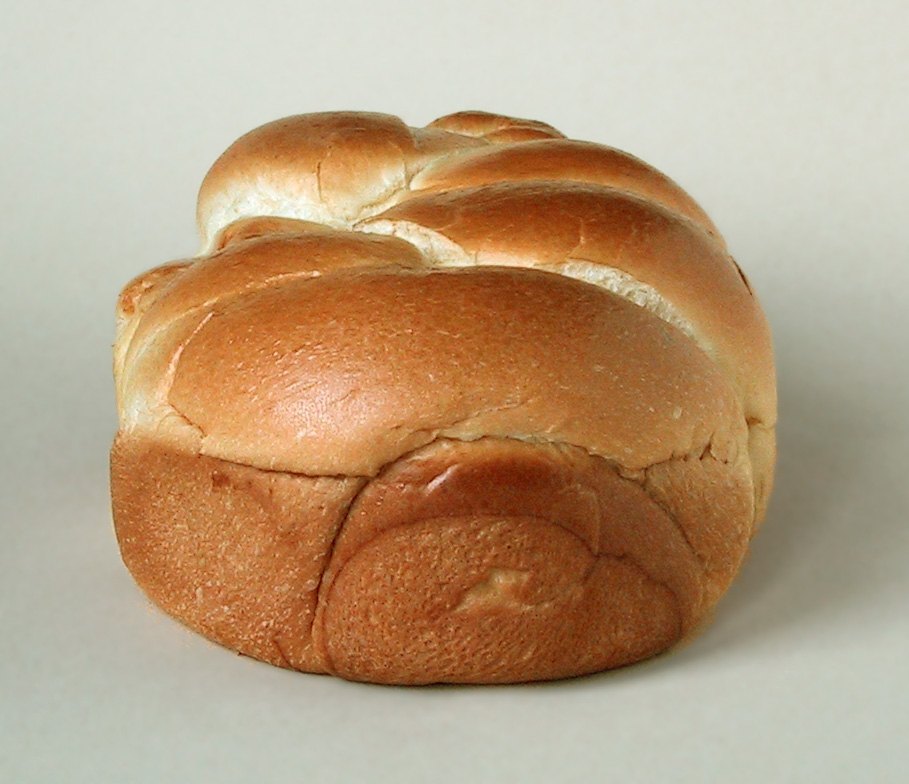
Brioche contains considerably more butter and egg than ordinary bread.
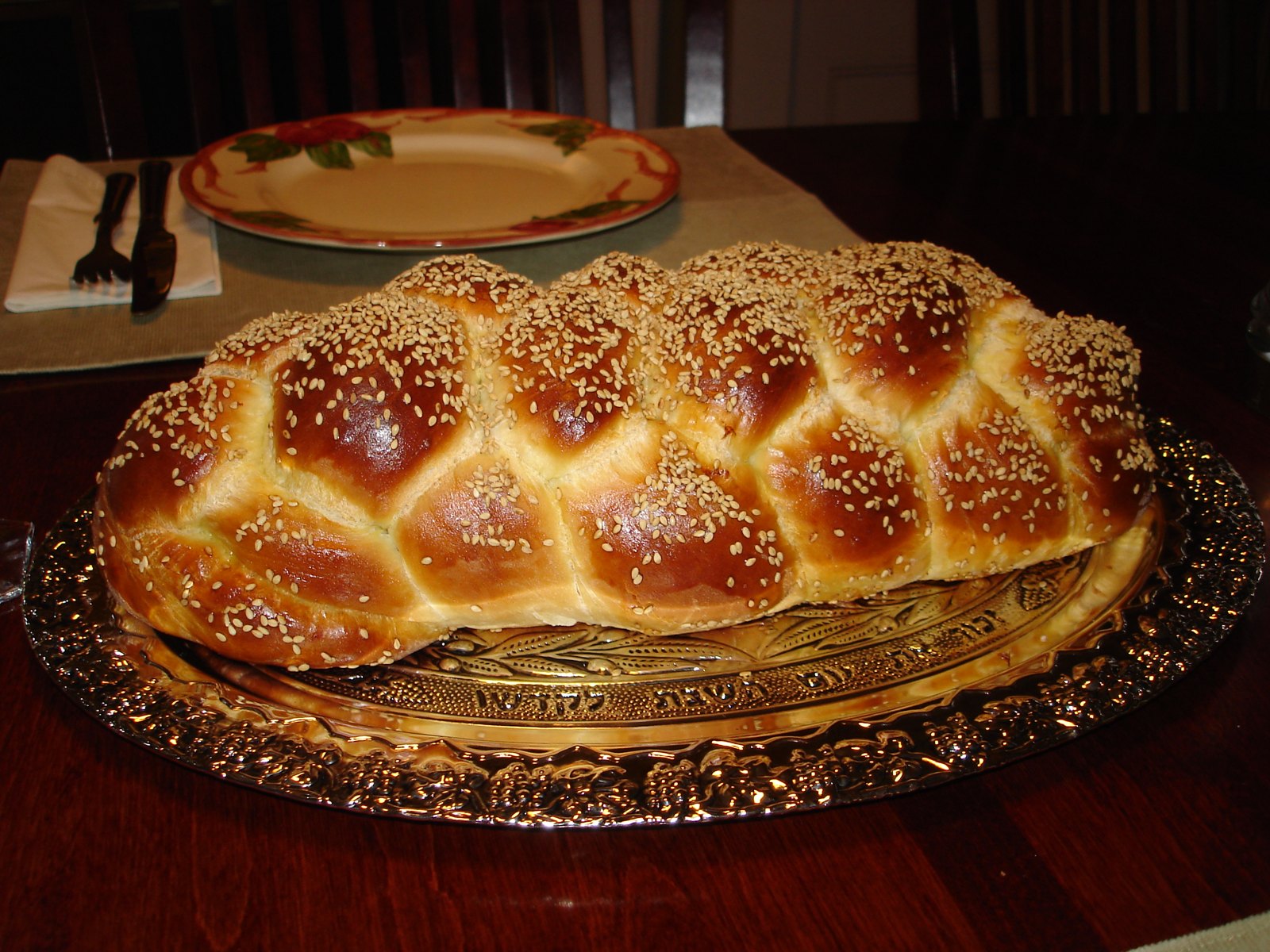
Challah gains its golden surface from egg and its tender bite from oil.
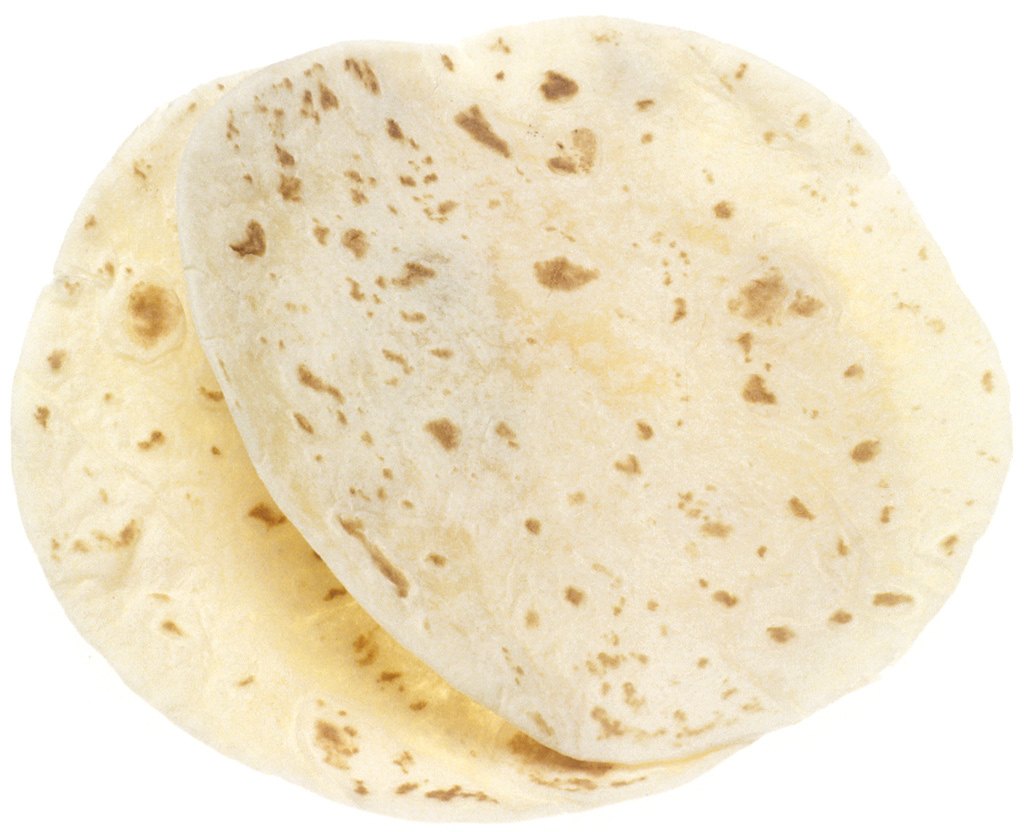
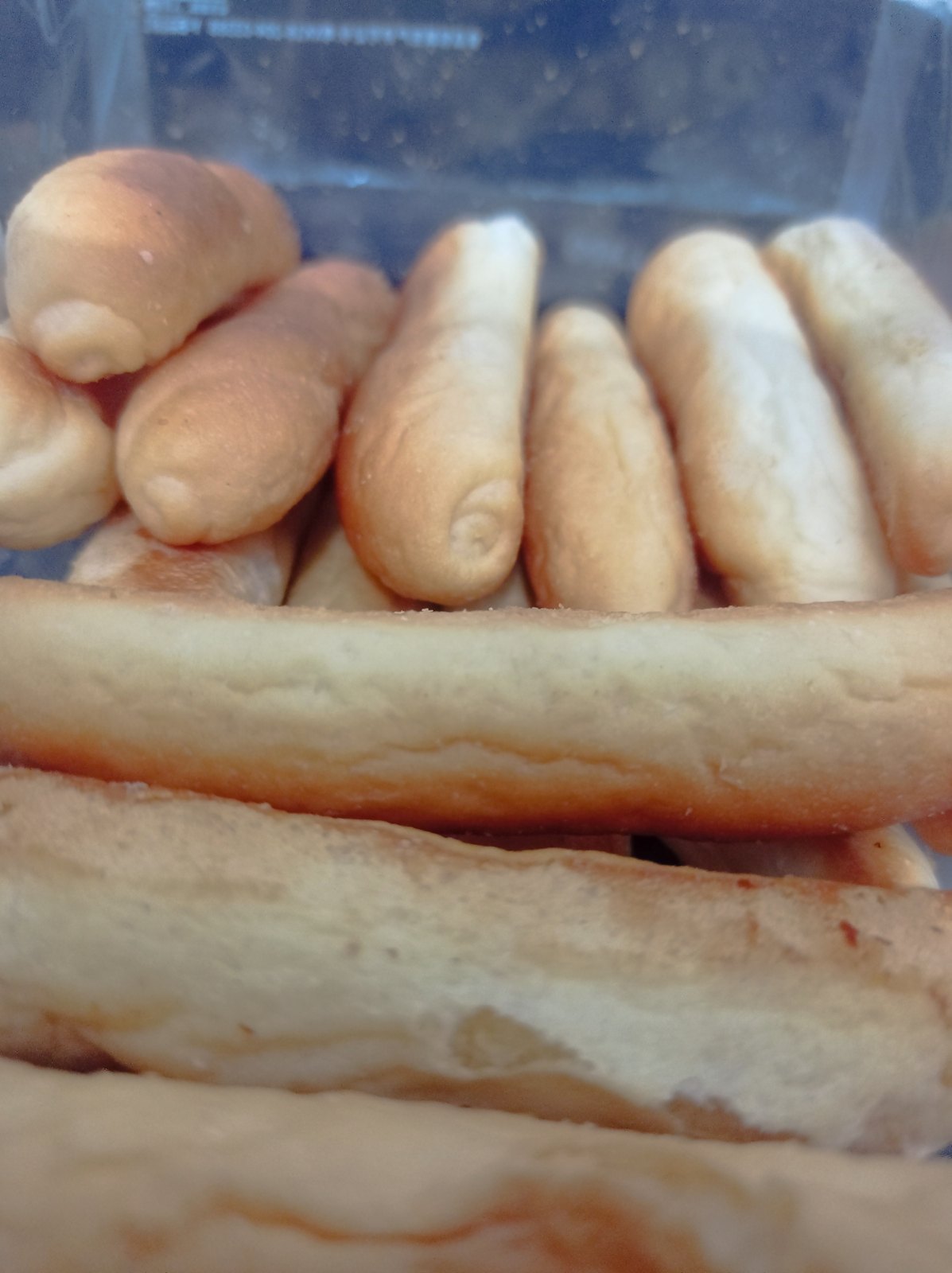
Cooked potatoes soften the crumb and contribute additional water.
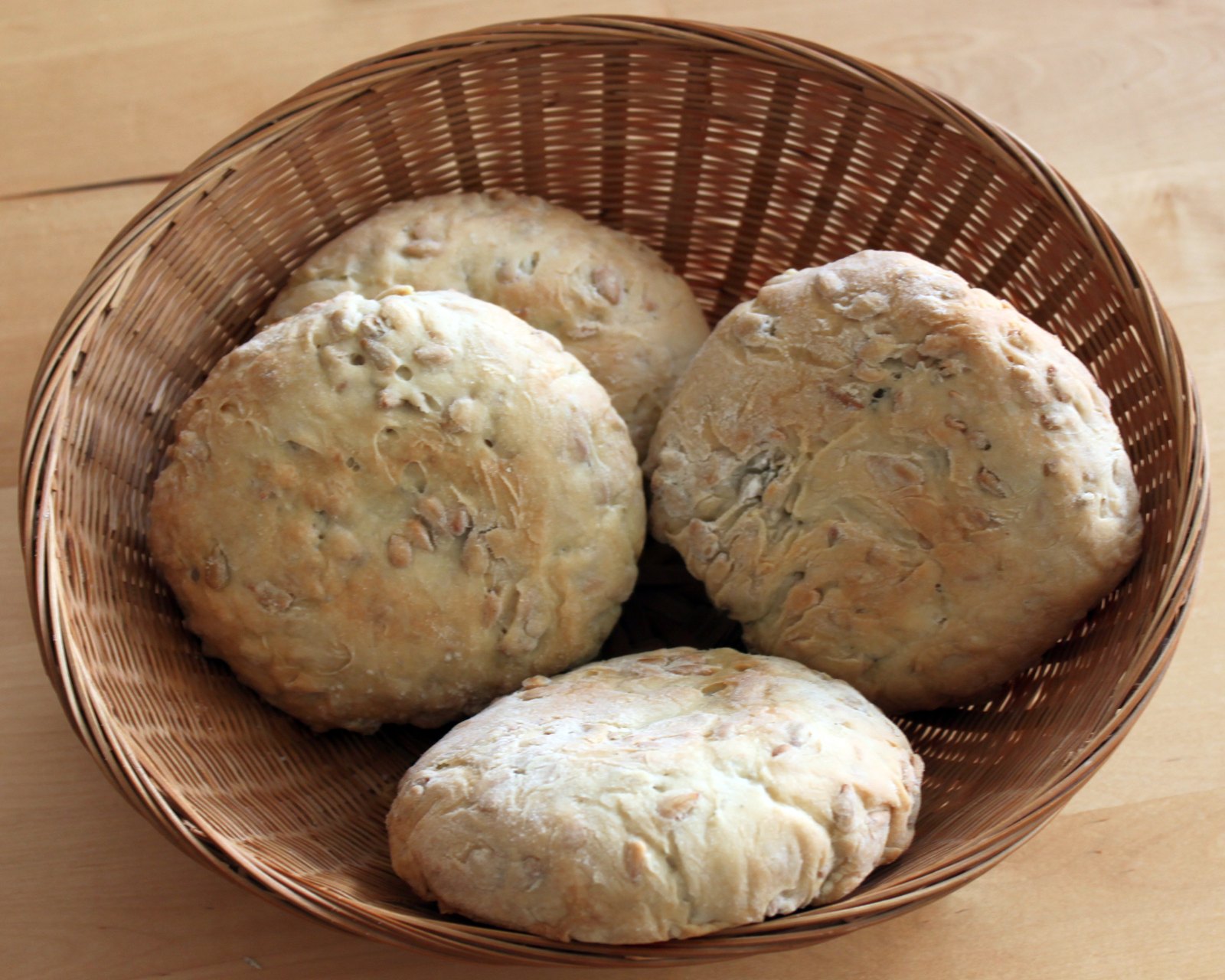
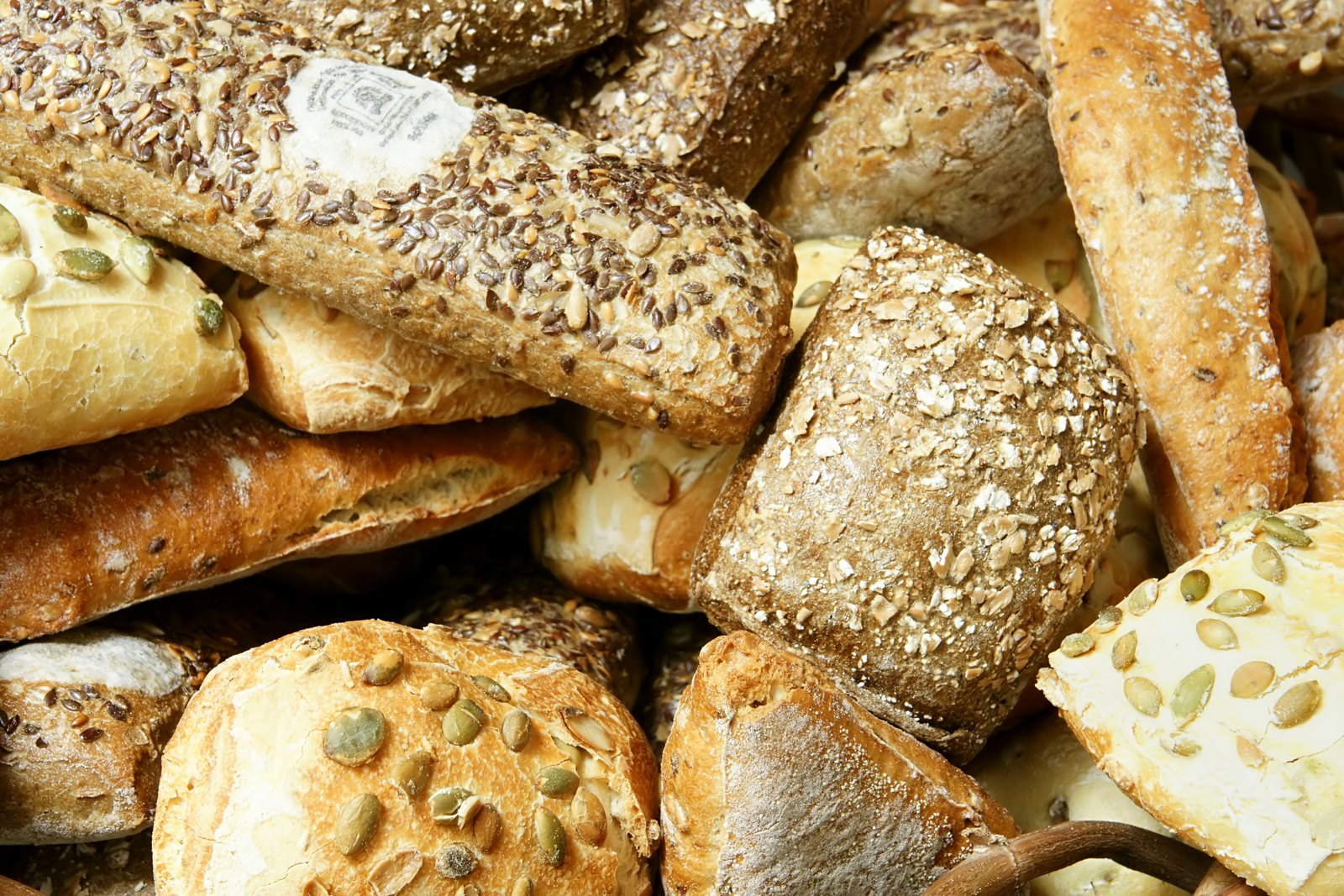
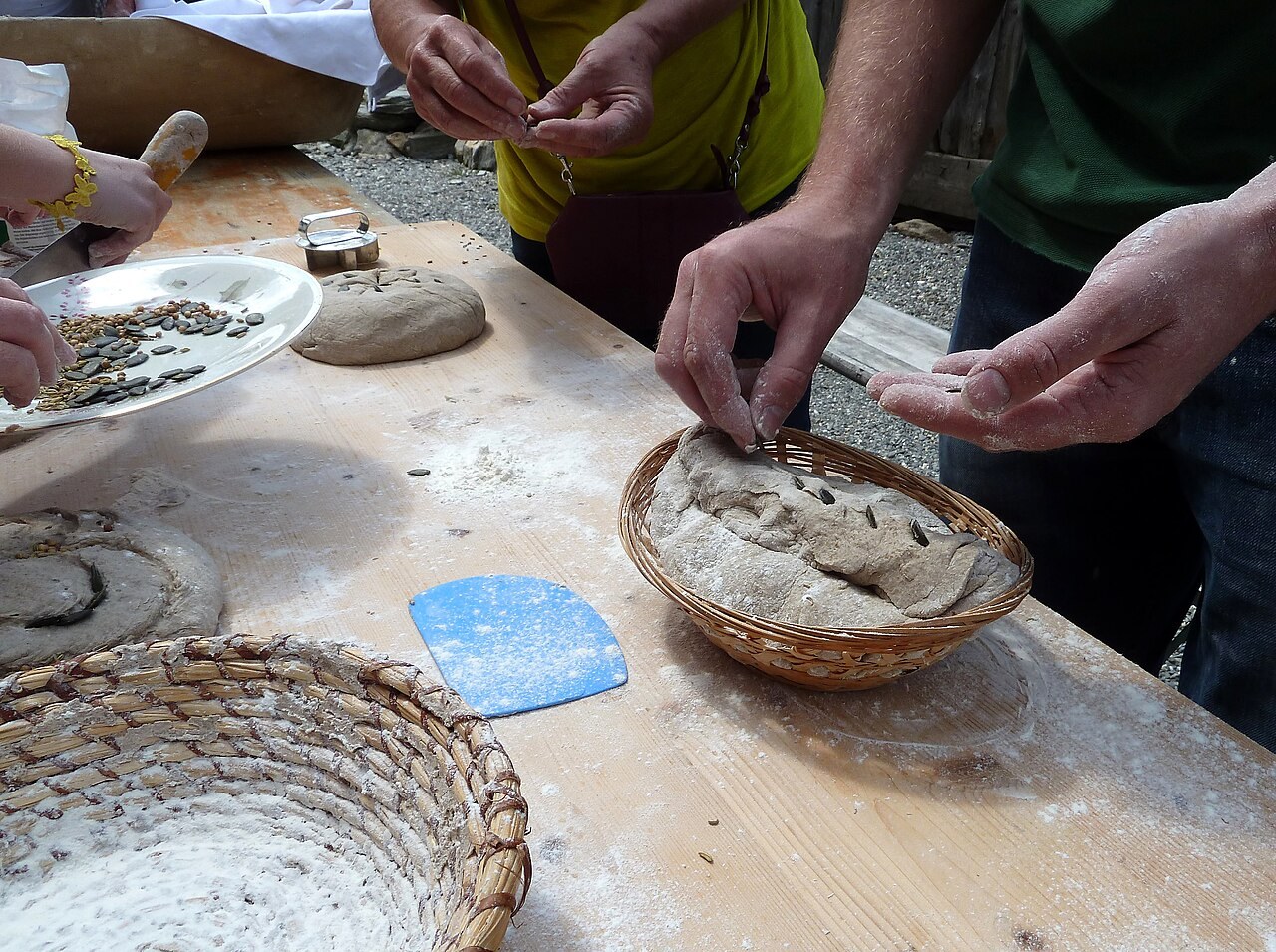
These rolls combine mostly white dough with a seeded surface.
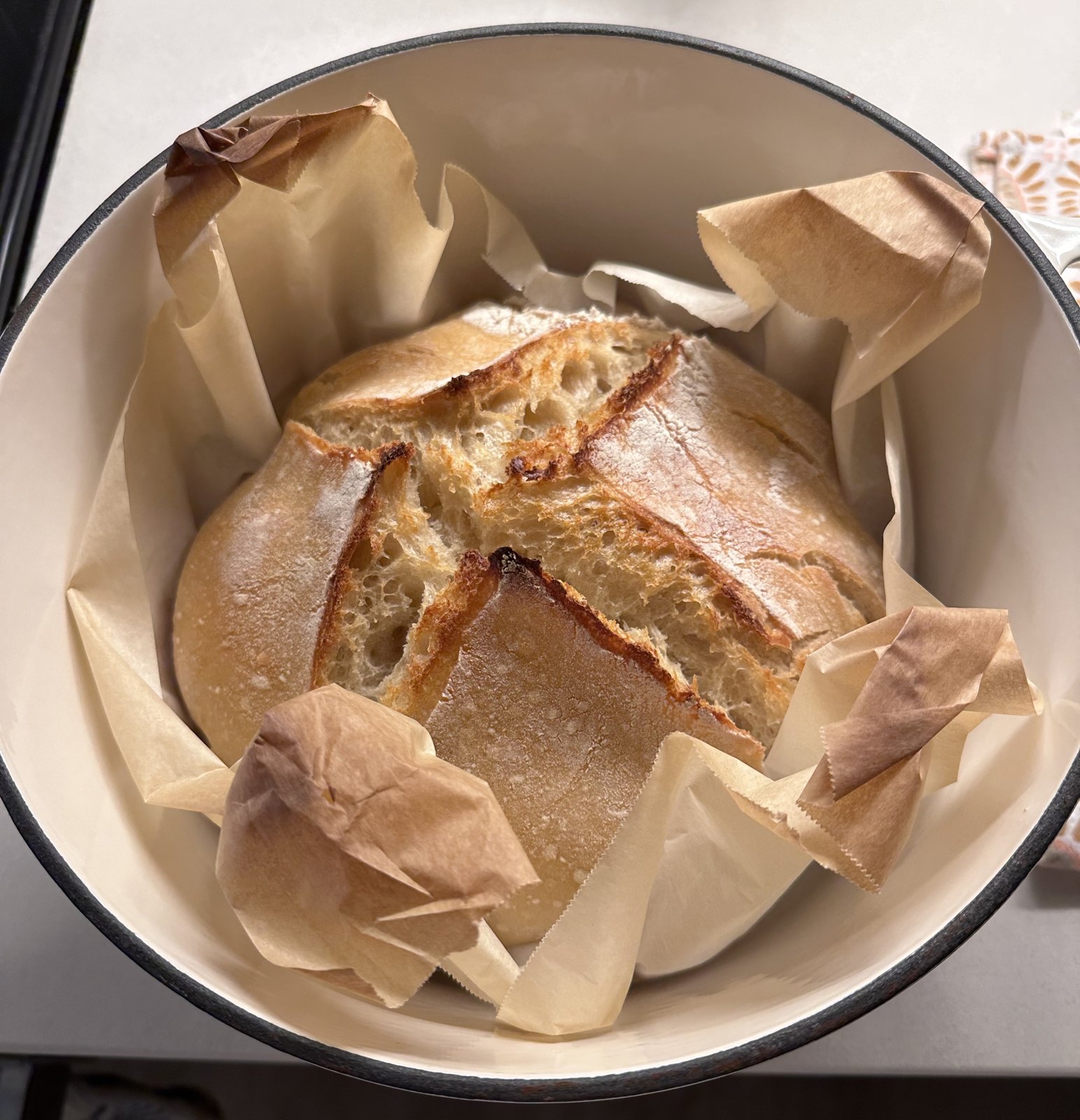
The type number is only part of the story when choosing flour for cakes, bread and pale doughs.
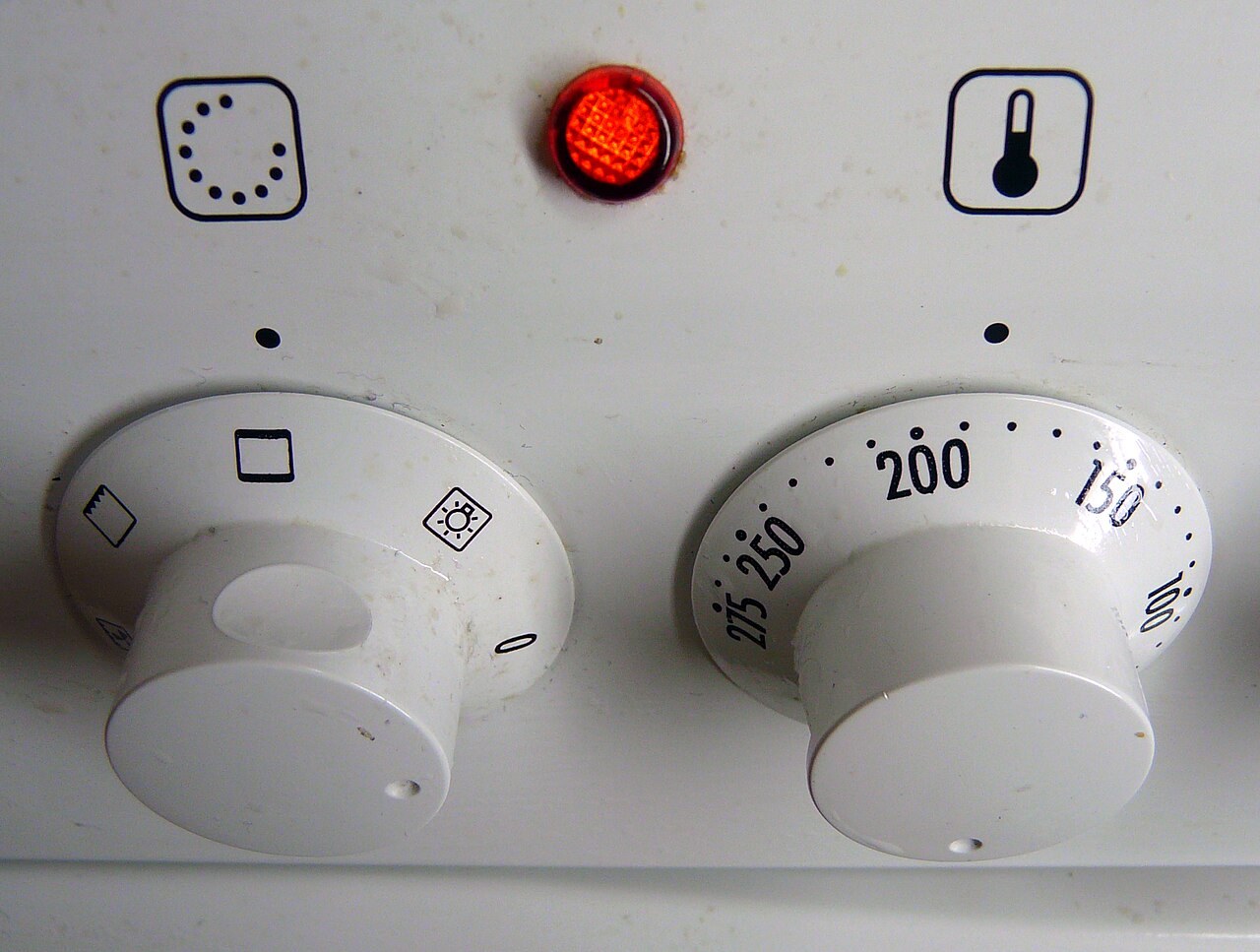
Oven mode, shelf position and preheating are three decisions that shape the bake.
Adapt a simple cake to another round tin without scaling the baking time blindly.
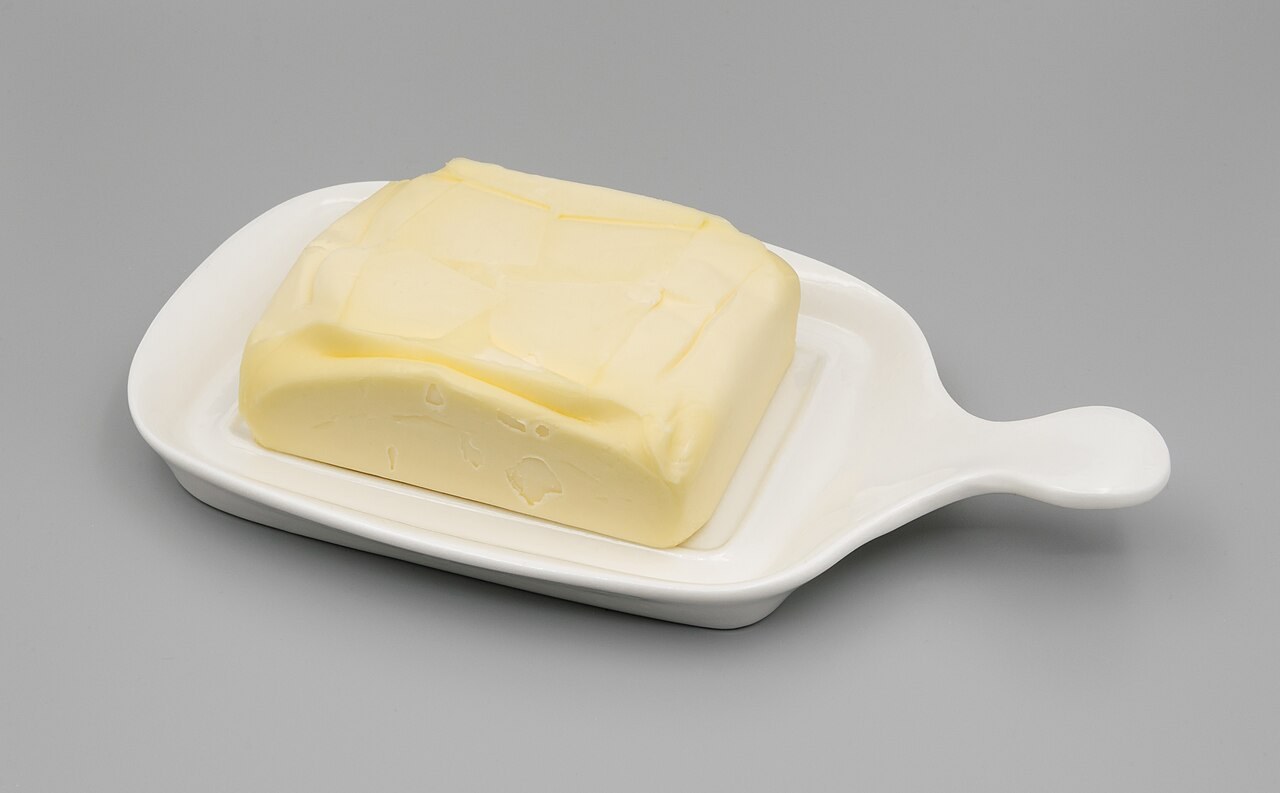
Butter temperature changes how a dough comes together; prepare it for the method you are using.
Volume, temperature and a protected surface help you judge how fermentation is progressing.
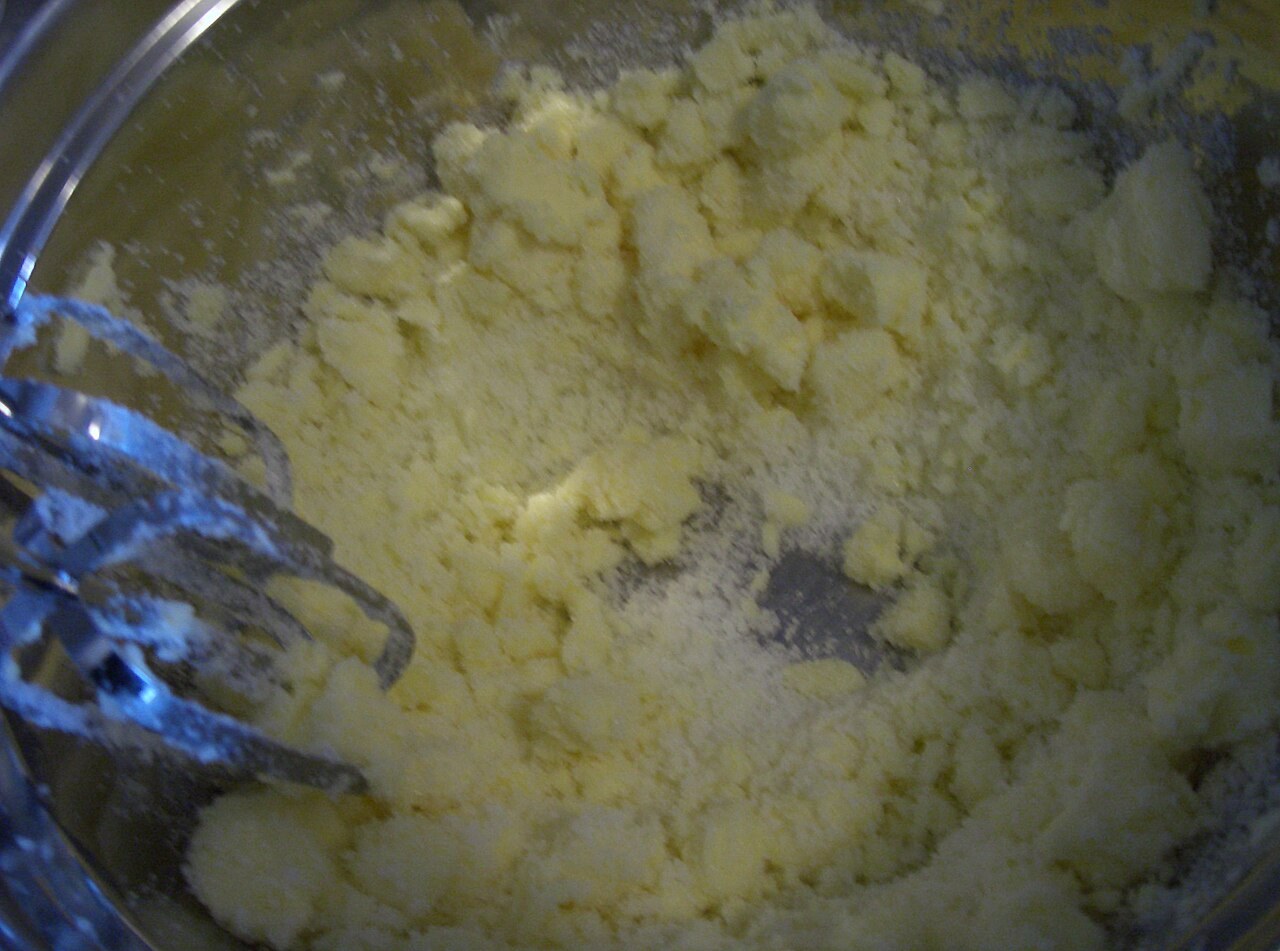
Recognise a light butter mixture before the eggs and flour go in.
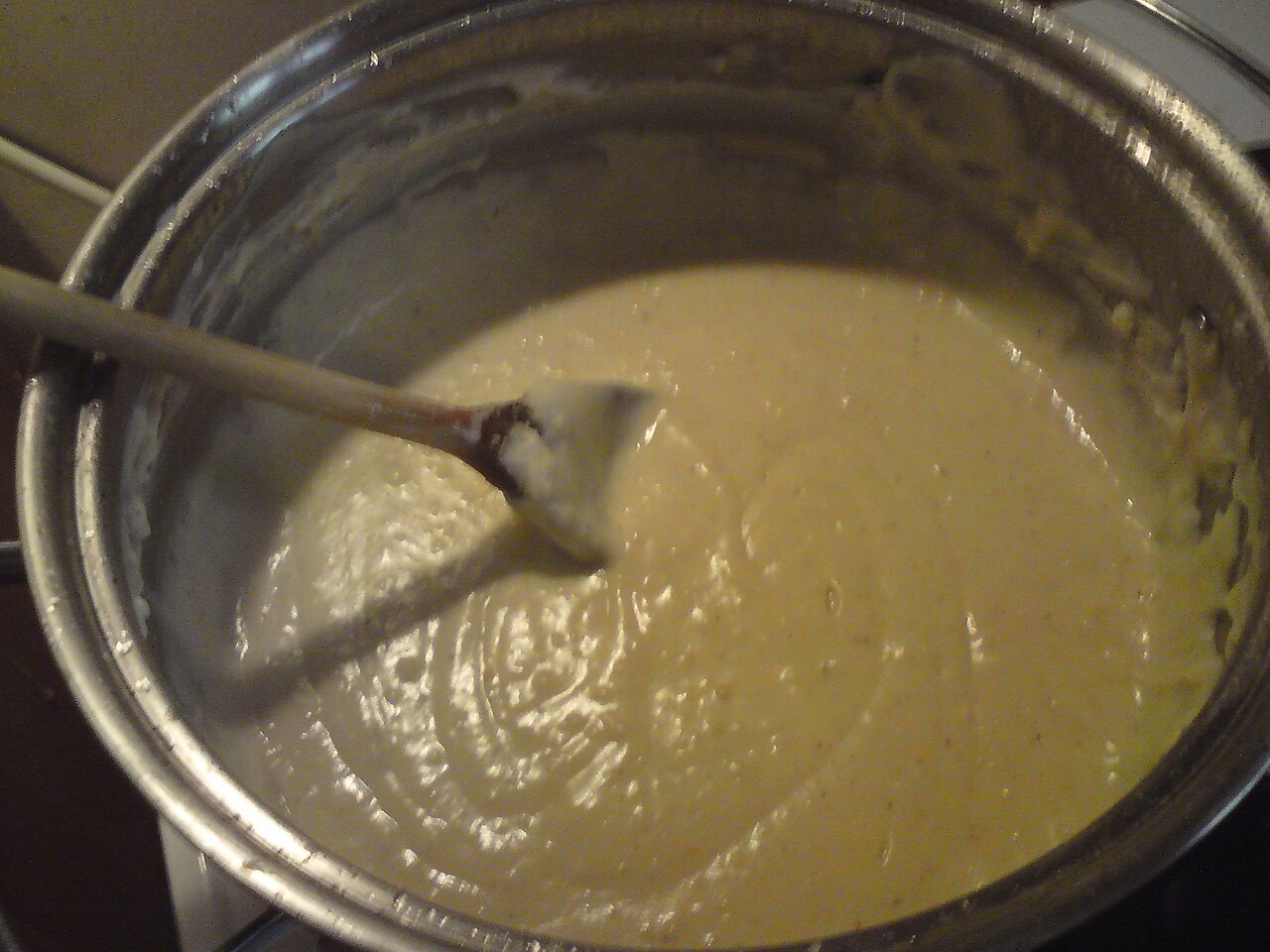
Butter, flour and liquid become a smooth sauce when you control the sequence.
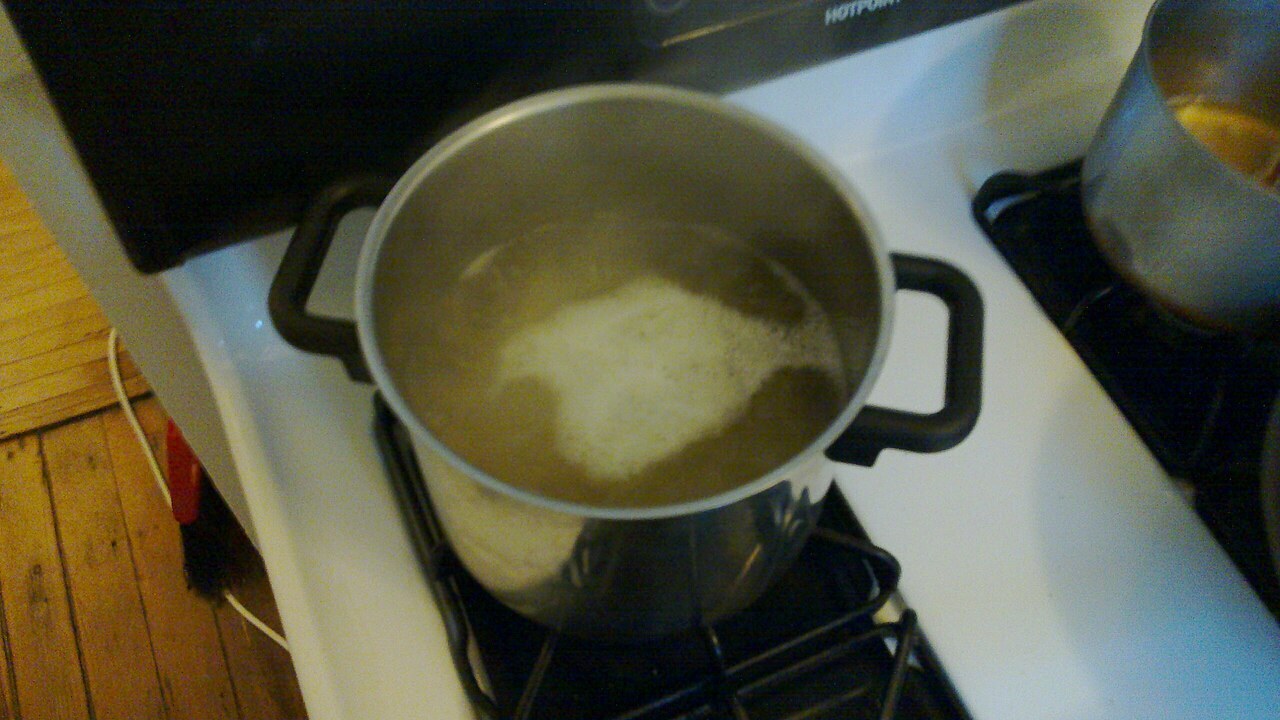
Starchy cooking water can help a sauce come together when added in controlled amounts.
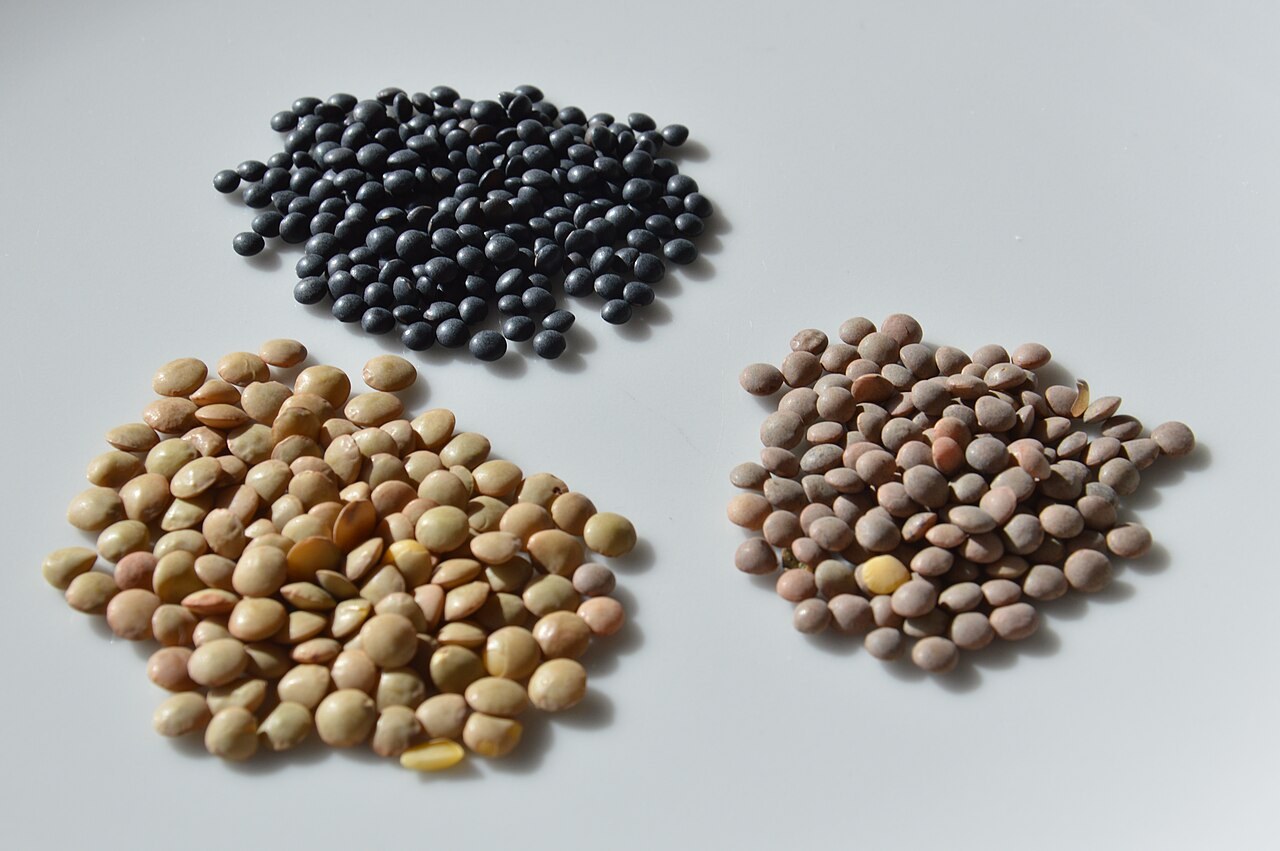
The variety helps determine whether lentils hold their shape or form a creamy base.
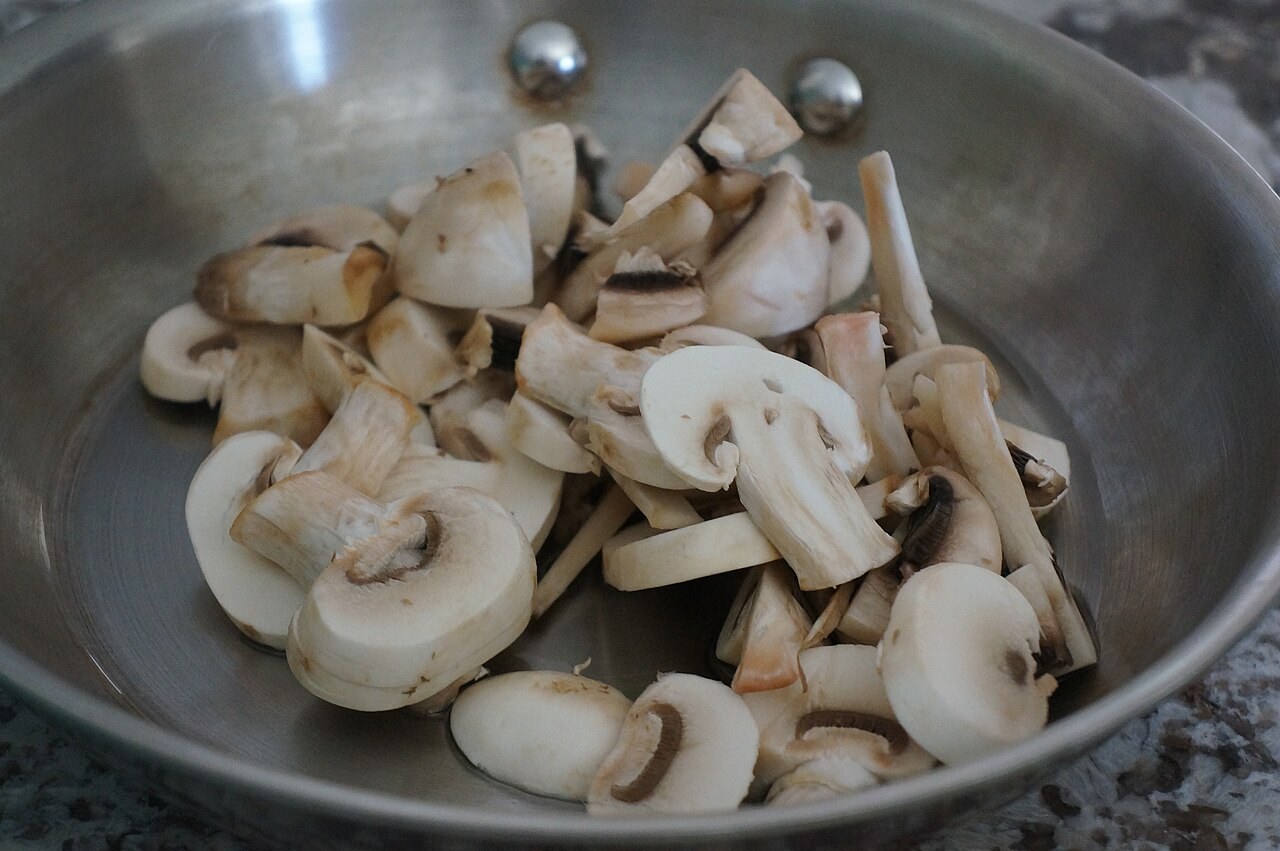
Cook shop-bought button mushrooms for colour rather than letting them sit in released water.
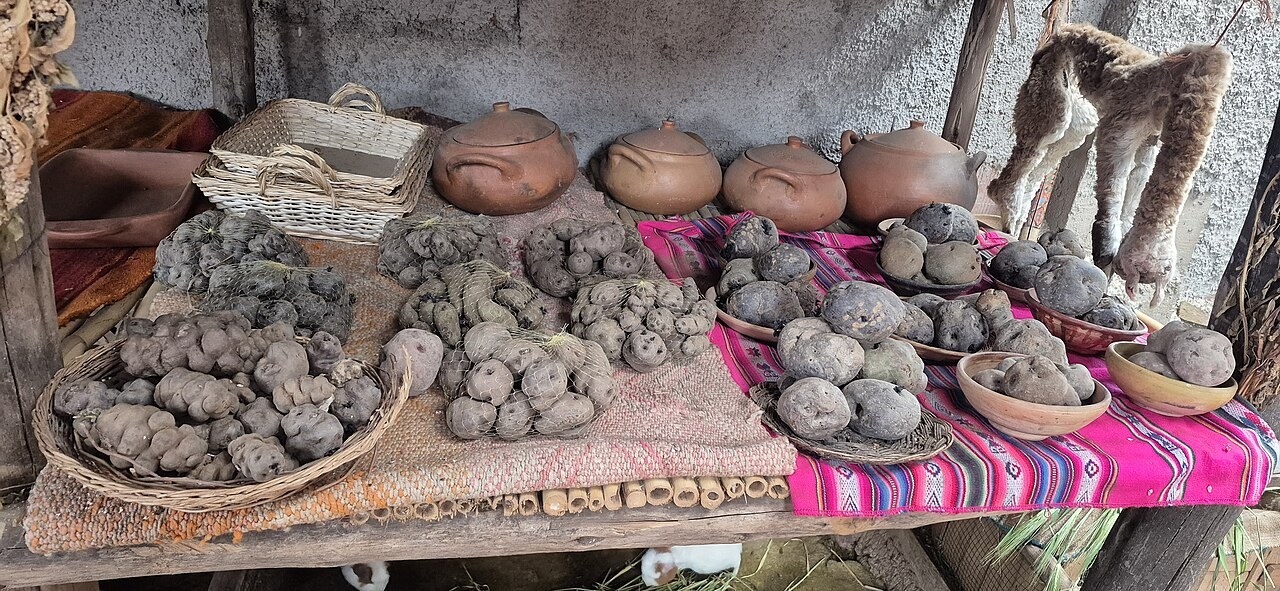
Potato salad, mash and crisp side dishes ask different things of the same ingredient.
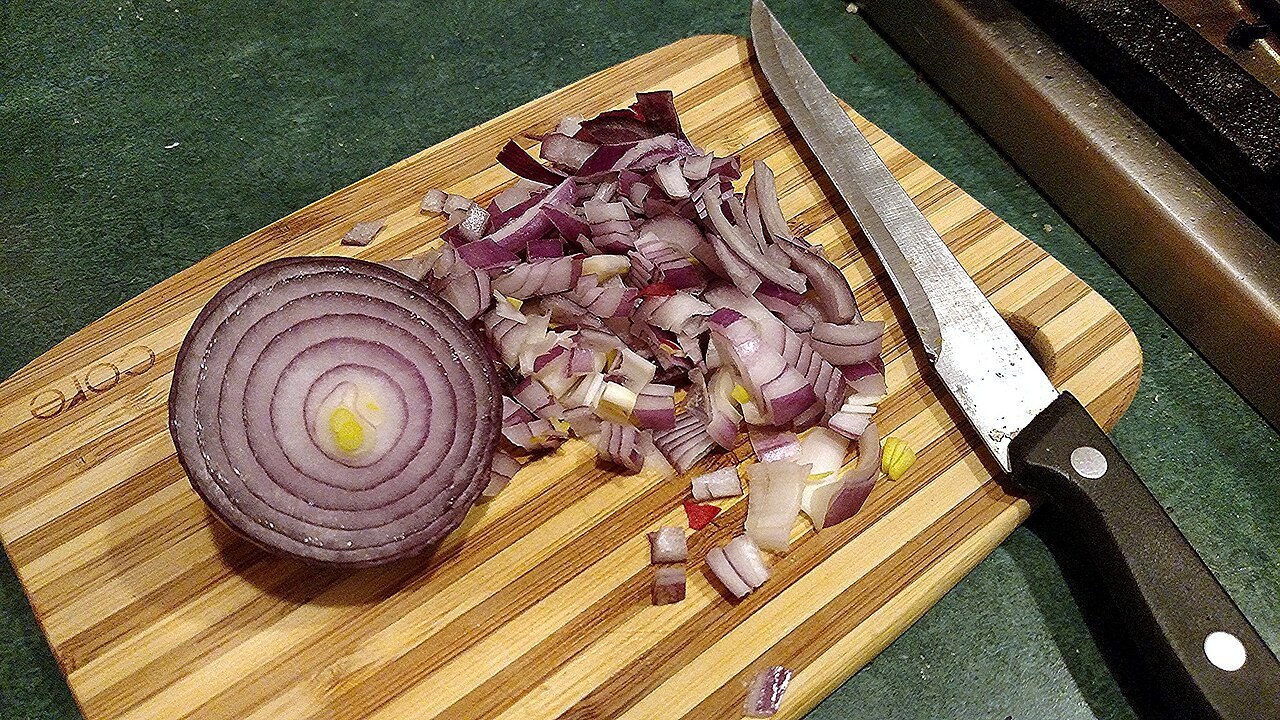
A stable cut surface and suitable piece sizes make everyday preparation easier.