Kitchen know-how
Conventional or fan oven: choosing your baking setting
Oven mode, shelf position and preheating are three decisions that shape the bake.
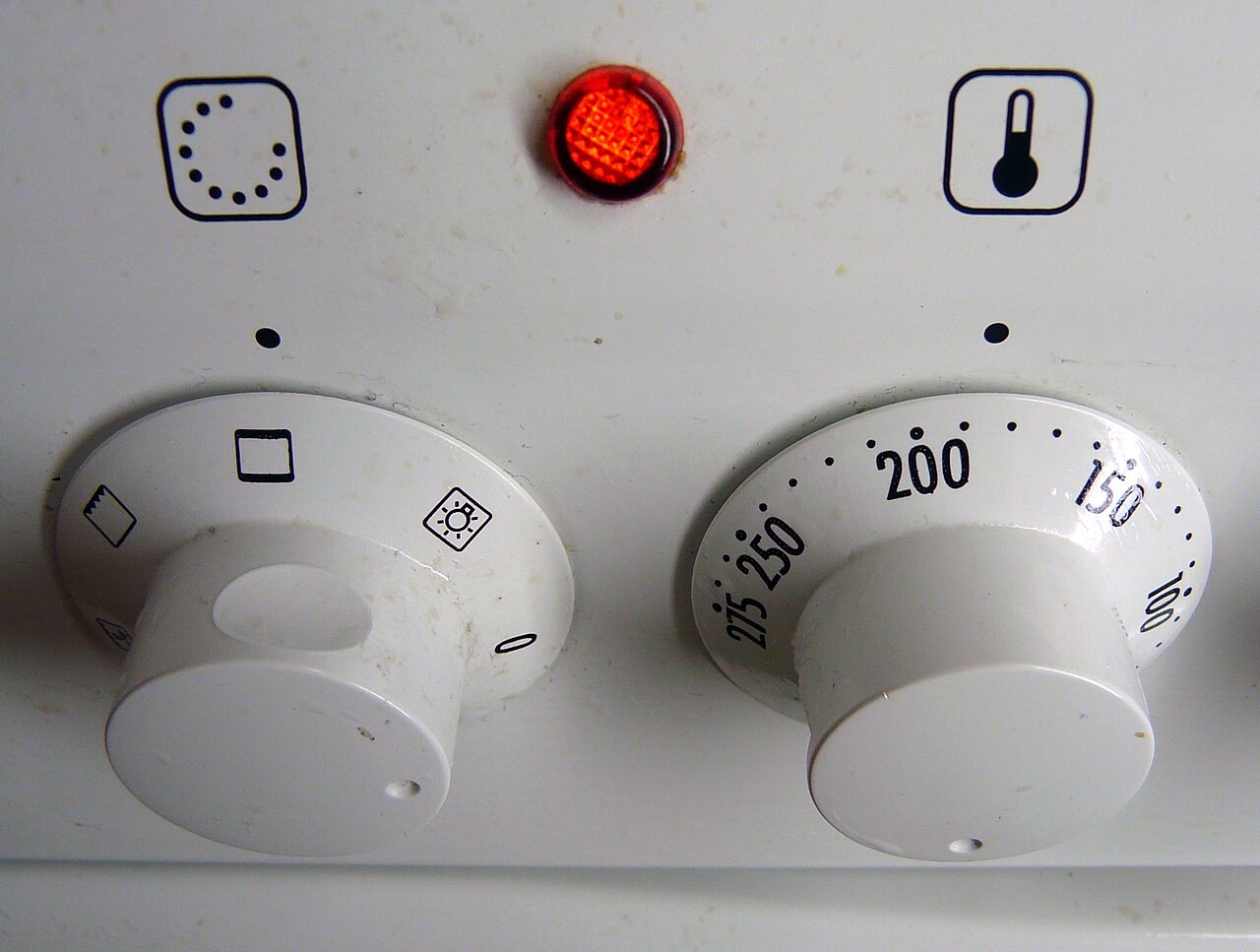
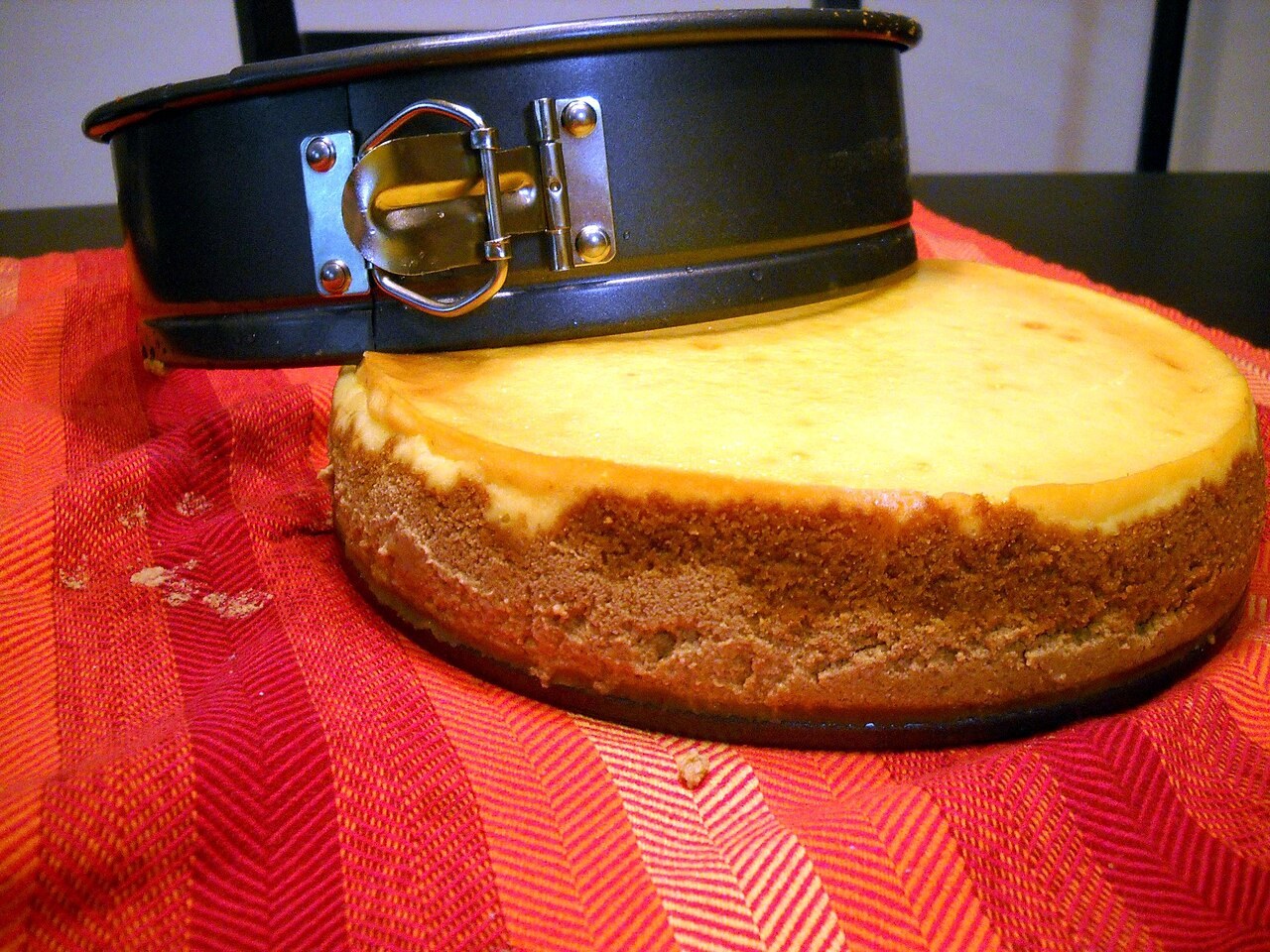
A cake may darken on top while its centre stays soft, or biscuits may colour faster on one side of the tray. Before changing the ingredients, look at the oven. Temperature, mode, shelf position and tin material work together. The number on the dial is a setting; it does not mean every part of the oven is at exactly that temperature all the time.
Start with the specified mode
A conventional oven heats without a constant stream of fan-circulated hot air. A fan setting circulates heat. For your first attempt, use the mode named in the recipe. A fan symbol does not explain every extra function: some appliances distinguish fan-assisted heat, hot air and combinations involving the grill or bottom element. Check the appliance manual for those symbols.
Treat conversions as a starting point
A reduction of around 20°C is often used when moving from conventional to fan heat. It is a practical starting point rather than a universal equation. Some ovens automatically adjust the temperature you enter. Check the display and manual so you do not reduce it twice. On a first attempt, inspect colour and doneness earlier than usual.
Preheat the cooking space properly
If the recipe specifies a preheated oven, switch it on before filling the tin and wait for the ready signal. Thick baking stones and heavy cookware take longer to absorb heat. Put the bake in promptly and close the door again. Holding the door open releases heat and makes the suggested timing less dependable.
Choose an appropriate shelf
The middle shelf is often a useful starting point for a single cake unless the recipe specifies otherwise. Position tall tins so the batter is not directly beneath the upper heating element. Leave space for airflow between multiple trays. Swap their positions only once the bake has a stable structure and uneven colour makes it necessary.
Use cooking cues alongside the clock
A time range is more useful than a promise to the exact minute. Near the earliest suggested time, test the centre of a creamed cake with a wooden skewer; moist crumbs are different from liquid batter. Biscuits may be ready with set edges and slightly soft centres. Follow the particular cues described in the recipe.
Change one thing at a time
If a cake is becoming too dark on top, a loose cover may help once the surface has set. Next time, change just one variable first: shelf position, mode or temperature. Note the actual baking time. This reveals your oven’s habits more clearly than changing the tin, ingredients and temperature together.
Kitchen questions
One more question?
Must I always preheat?
Follow the recipe. Some breads and casseroles are designed for a cold start; preheating is part of the method for many cakes.
Can I put a tray on the oven floor?
Only if the appliance instructions specifically permit it. The floor is not a general substitute for a shelf.
Why does one side brown more?
Airflow, loading and distance from heating surfaces can vary. Check tin position first; ask the manufacturer about persistent appliance problems.