Kitchen know-how
Soft, cold or melted butter: why the state matters
Butter temperature changes how a dough comes together; prepare it for the method you are using.
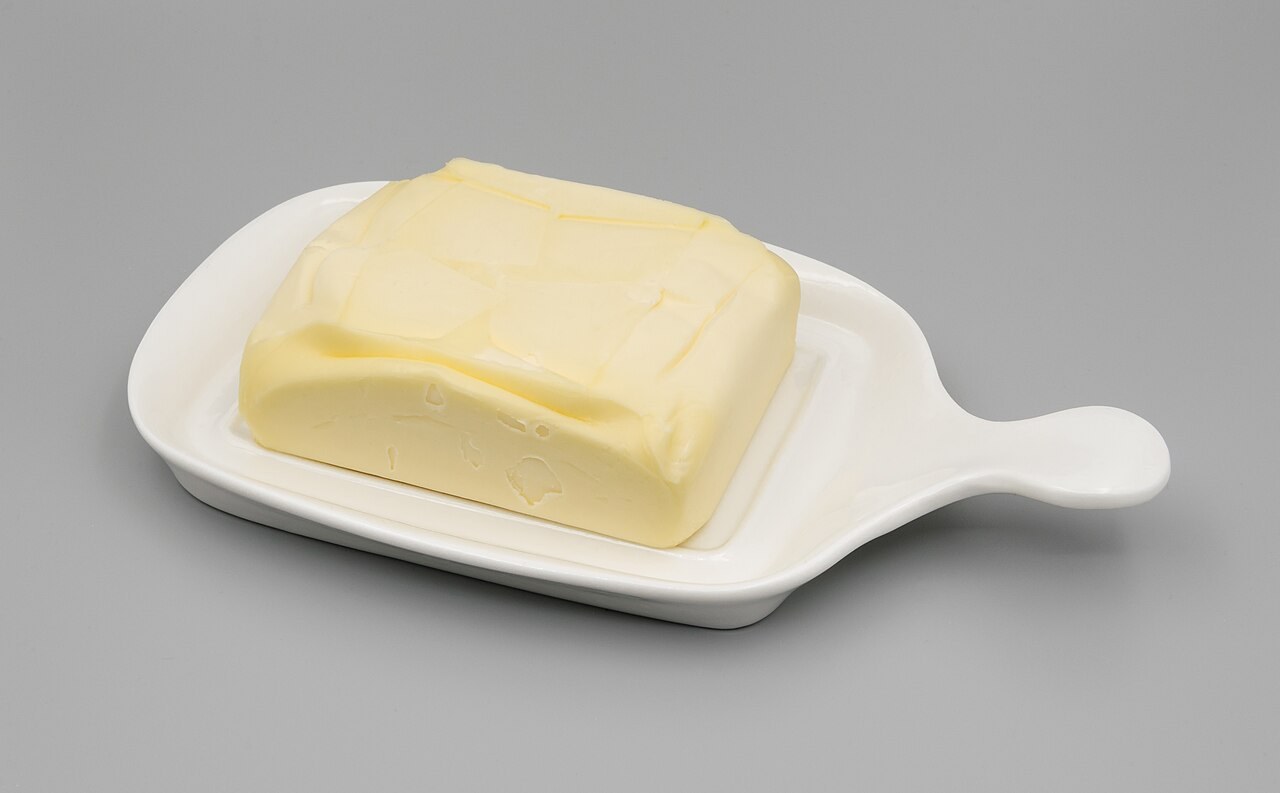
Butter is more than a weight of fat in an ingredient list. A cold piece, a soft portion and a melted pool behave differently when mixed. Read the next step before weighing it out. Will the butter be beaten with sugar, rubbed into flour, or simply stirred into a liquid mixture? That answer tells you how to prepare it.
Soft means pliable rather than oily
For many creamed cakes, butter should yield to pressure while still holding its shape. It need not look shiny or flow across the bowl. Cut the required amount into small cubes and leave them in the mixing bowl. They soften more evenly than a whole block. The time required depends on cube size and room temperature.
Watch the structure during creaming
Soft butter can trap air when beaten with sugar. Begin at a moderate speed, scrape down the bowl and watch the mixture become paler and lighter. Melted butter does not build that structure in the same way. Beating harder will not turn a liquid pool into a properly creamed mixture; it may need to cool and become suitably firm first.
Use cold butter for crumbly pastry
Many shortcrust methods work cold butter into flour. Small pieces distribute faster than one large block. Work promptly and stop mixing when the dough comes together as directed. Extended kneading warms the butter and can change the intended short texture. Chilling the finished dough usually makes it easier to roll without sticking or smearing.
Add melted butter with care
When melted butter is specified, warm it gently until it is just liquid. Allow it to cool a little before combining it with eggs or cold ingredients. Very hot butter can heat the mixture more than intended. Conversely, chilled ingredients may turn it into small solid flecks again, so follow the sequence described in the particular recipe.
Use the microwave cautiously
Short bursts at low power offer more control than one long heating period. Turn the butter between bursts and check the centre. A liquid edge around a hard core signals uneven heating. For even softening, small cubes and a little time are often easier to manage than a rapid burst of intense heat.
Avoid treating all fats alike
Oil is liquid at room temperature and lacks butter’s corresponding water phase. Spreads differ in their fat and water content. That means they are not interchangeable gram for gram in every recipe. For a substantial change of fat, choose a recipe designed for it. If butter temperature alone is wrong, correct that state before changing the ingredient.
Kitchen questions
One more question?
Can I use butter that has melted?
If soft butter is needed, let it cool until evenly pliable again. It should no longer be liquid before you start creaming.
Can I use salted butter?
Sometimes, but salt levels vary. Unsalted butter with separately measured salt gives you more control over the amount.
Why has the butter and egg mixture split?
Large temperature differences or eggs added too quickly can disrupt the emulsion. Add eggs in the portions specified and scrape down the bowl.

.jpg)
