Everyday cooking
Lemon and herb roast chicken legs
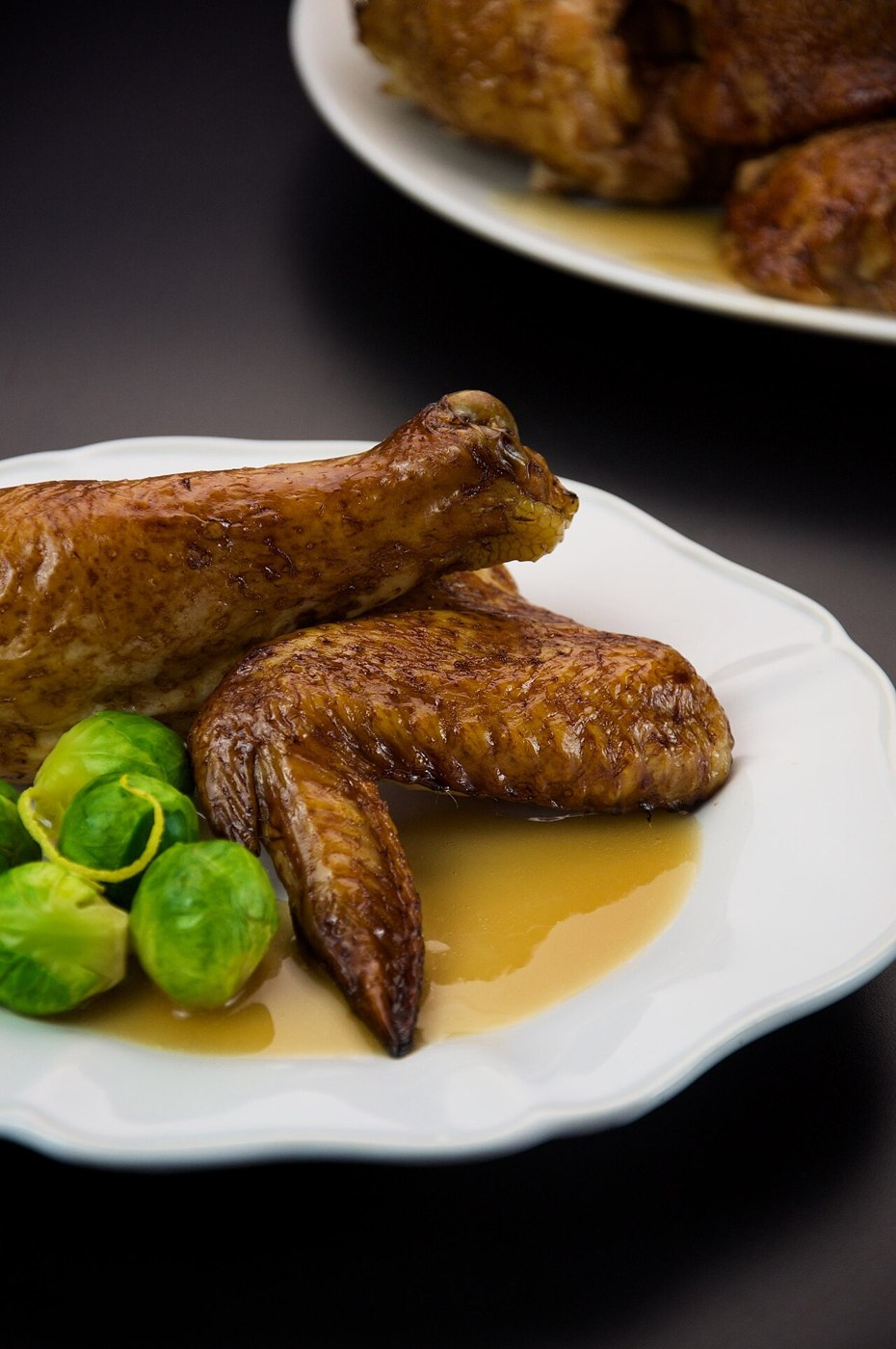
Chicken legs roast with lemon, garlic and herbs until golden.
- Total time
- 65 min
- Servings / pieces
- 4
- Topic
- Everyday cooking
Chicken legs stay juicy when cooking is checked and the pieces are not crowded in the dish. Lemon, garlic and dried herbs season the oil spread over the skin. Extra lemon pieces go into the dish and release some juice during roasting. No elaborate sauce is required; spoon the pan juices over the portions afterwards. Serve with potatoes or vegetables of your choice. Cooking time varies with the size of the legs. A thermometer placed in the thickest meat, without touching bone, provides the key check. The five-minute rest follows cooking and should not replace reaching the required temperature.
Method
Step by step
- 01
Prepare chicken
Heat the oven to 200 °C conventional heat. Pat chicken legs dry and place in a large shallow dish; do not wash them. Clean work surfaces and utensils thoroughly after contact with raw poultry.
- 02
Mix seasoning oil
Wash lemon. Finely grate zest from one half and squeeze 1 tbsp juice; cut the rest into pieces. Chop garlic. Mix oil, zest, juice, herbs, salt and pepper.
- 03
Coat the legs
Coat the legs thinly all over and arrange skin-side up with space between them. Place lemon pieces in the gaps. Pour water down the edge of the dish rather than over the skin.
- 04
Roast in the oven
Roast on the middle shelf for 45–55 minutes. Check after about 30 minutes and loosely cover areas darkening early. The skin should finish golden, with some juices remaining underneath.
- 05
Check and rest
Measure at least 74 °C in the thickest meat without touching bone. Continue cooking if needed. Rest for 5 minutes, then portion with a clean spatula and spoon over hot pan juices.
Times are a guide. Your hob, oven and ingredients affect the result; use the cooking cues as well as the clock.
Arrange legs evenly
Gaps let hot air dry the skin. A small deep dish traps more steam and can soften the underside. Large legs need longer than small ones, so use temperature as the check. Placing the thermometer directly against bone can give a misleading reading; measure in substantial flesh.
Protect the pan juices
The small water quantity prevents the base drying out. Carefully add a little hot water if it becomes dry during roasting. Excess liquid would steam the chicken more strongly. Garlic and herbs on the skin can darken; avoid scraping burnt deposits into the juices.
Kitchen questions
One more question?
Can I use chicken breast?
It needs a much shorter cooking time and dries more readily. Do not transfer the same timing to breasts; internal temperature remains the important check.
Does it need marinating?
Not for this recipe. Apply seasoning immediately before roasting. If preparing ahead, cover and refrigerate raw seasoned chicken separately from ready-to-eat foods.