Kitchen know-how
Proofing yeast dough: watch the dough as well as the clock
Volume, temperature and a protected surface help you judge how fermentation is progressing.
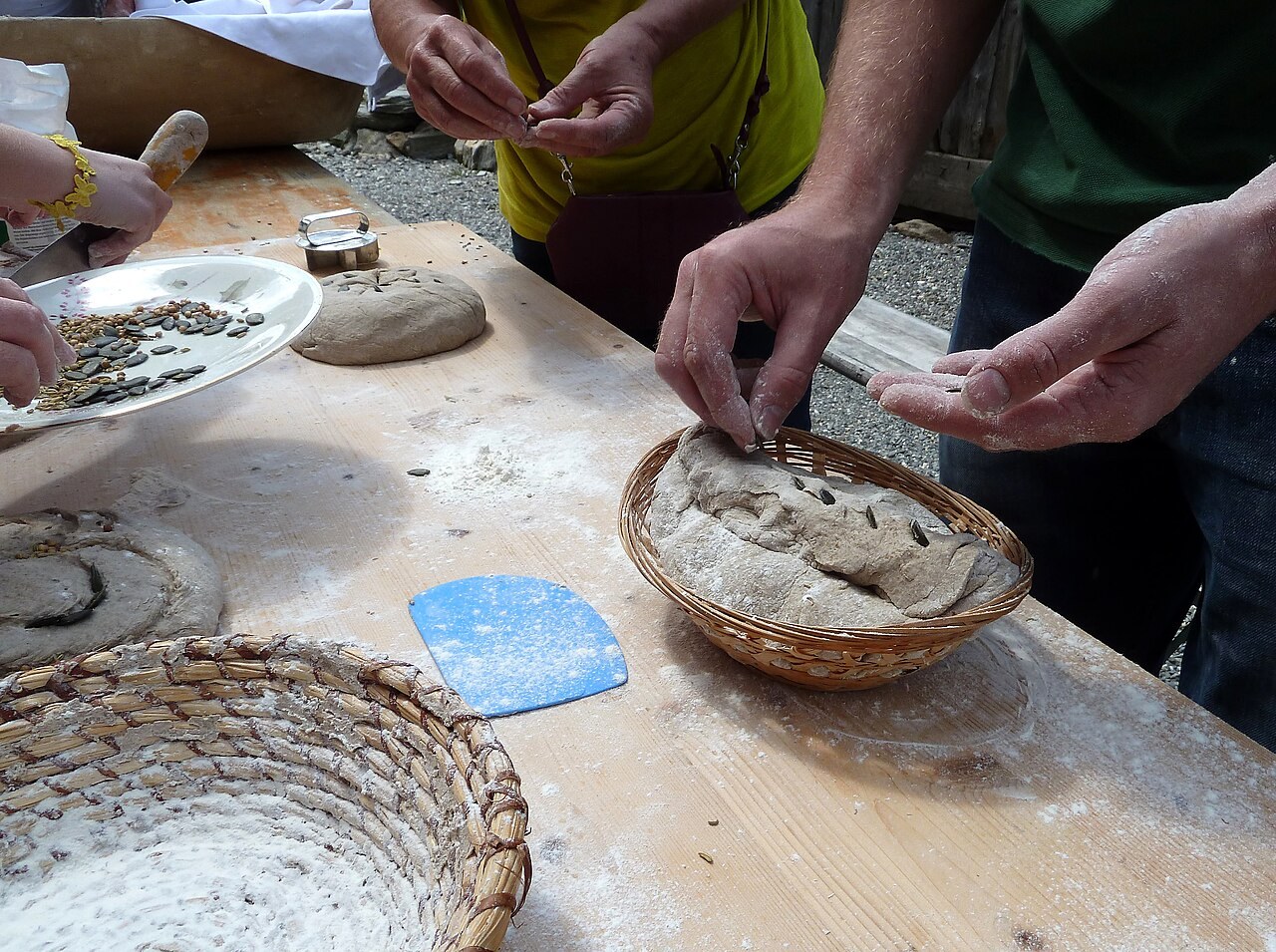
Yeast dough does not come with a built-in timer. The same mixture can rise much faster on a warm day than in winter. Recipe timings are therefore guides. Look for the changes described in the method: increased volume, a lighter structure and suitable tension in a shaped dough. A transparent bowl makes those changes especially easy to follow.
Keep track of starting conditions
Use the yeast quantity and liquid temperature specified in the recipe. Very warm liquid is not a useful shortcut because it can damage the yeast. For ordinary wheat doughs, a moderately warm, draught-free space is usually easier to manage than a spot against a heater. When repeating a bake, note roughly how warm the kitchen is.
Mark the starting volume
Put the kneaded dough in a sufficiently large bowl or container and mark the initial height on the outside with tape. Consider the container’s shape: the same volume increase looks shallower in a wide bowl. The mark does not replace the recipe’s description, but it makes growth visible without repeatedly pressing your fingers into the dough.
Protect the surface from drying
Cover the container with a lid or suitable cover without restricting the dough as it expands. A dried skin may tear during shaping. A lightly oiled bowl makes removal easier; a thick pool of oil is unnecessary. Leave headroom in the container and avoid placing it on a surface whose heat you cannot control.
Distinguish the two rises
During the first rise, the dough develops volume in its bowl. Shaping is often followed by a second rise, during which the loaf or rolls become lighter again. These stages serve different purposes and need not take equal time. Follow the recipe’s sequence. Adding more flour during shaping does not automatically fix an excessively sticky dough.
Use the finger test thoughtfully
For many shaped wheat breads, gently press with a floured finger. If the indentation springs straight back, more time may be needed. If it returns slowly and partly, the dough may be ready. A deep mark that remains in an unstable dough can indicate overproofing. Very wet or rye-rich doughs respond differently, so use this alongside other cues.
Plan cold fermentation deliberately
Refrigeration slows development but does not stop it instantly. Follow a method intended for a cold rise with an appropriate yeast quantity. A large mass cools more slowly at the centre than small portions. Do not simply refrigerate a standard warm-rise dough overnight and expect every original timing to remain suitable afterwards.
Kitchen questions
One more question?
Should every dough double?
No. Some recipes specify a smaller volume increase. Enriched doughs and particular breads use different cues from a simple pale yeast dough.
Can dough rise in a switched-off oven?
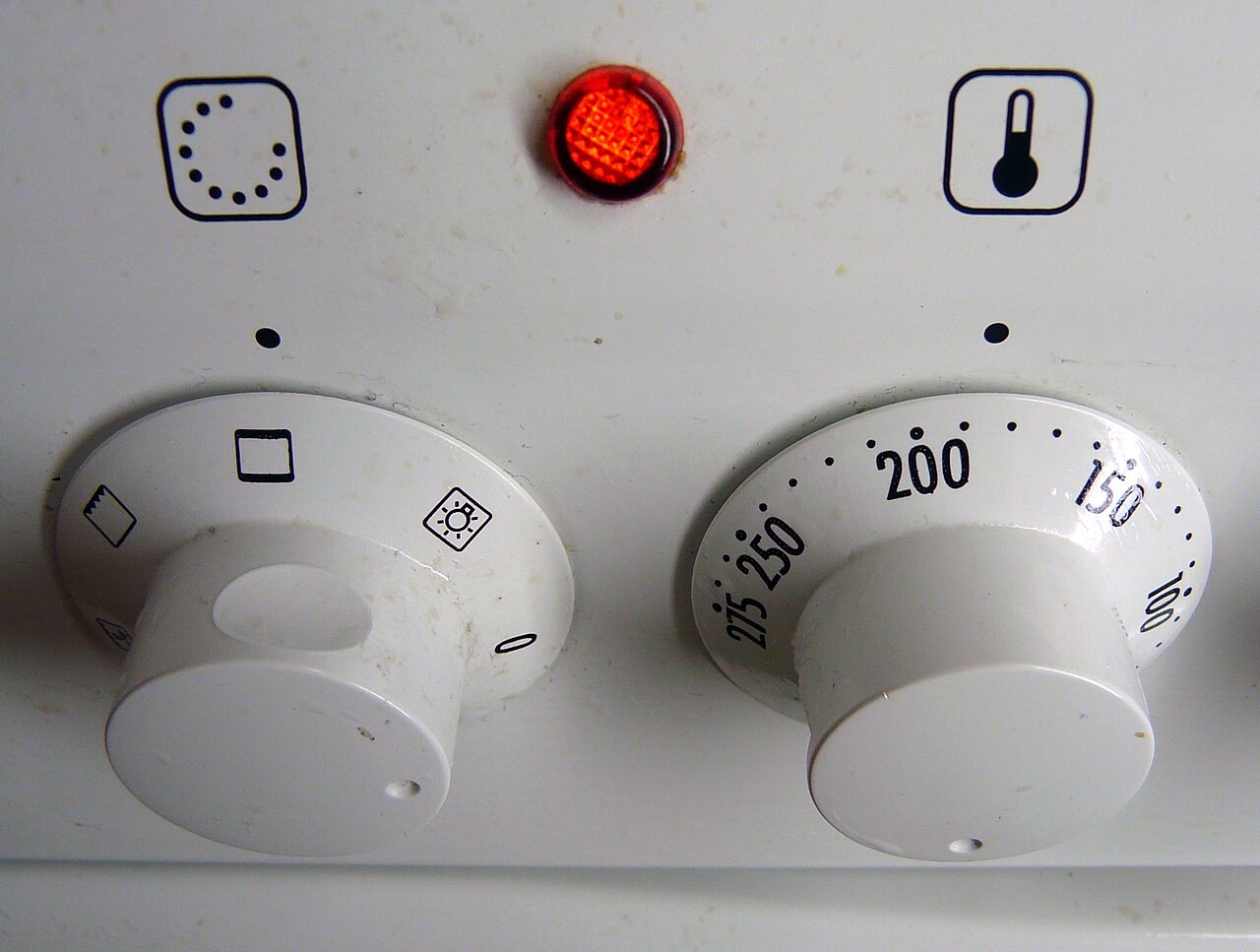
Yes, if the temperature is suitable. A previously hot oven can be far too warm. Check the environment before putting the bowl inside.
What if it barely rises?
Check yeast quantity, liquid temperature and the surroundings. Give a cool dough more time before kneading in extra yeast or large amounts of flour.

.jpg)
