Kitchen know-how
Choosing lentils for soup, salad and curry
The variety helps determine whether lentils hold their shape or form a creamy base.
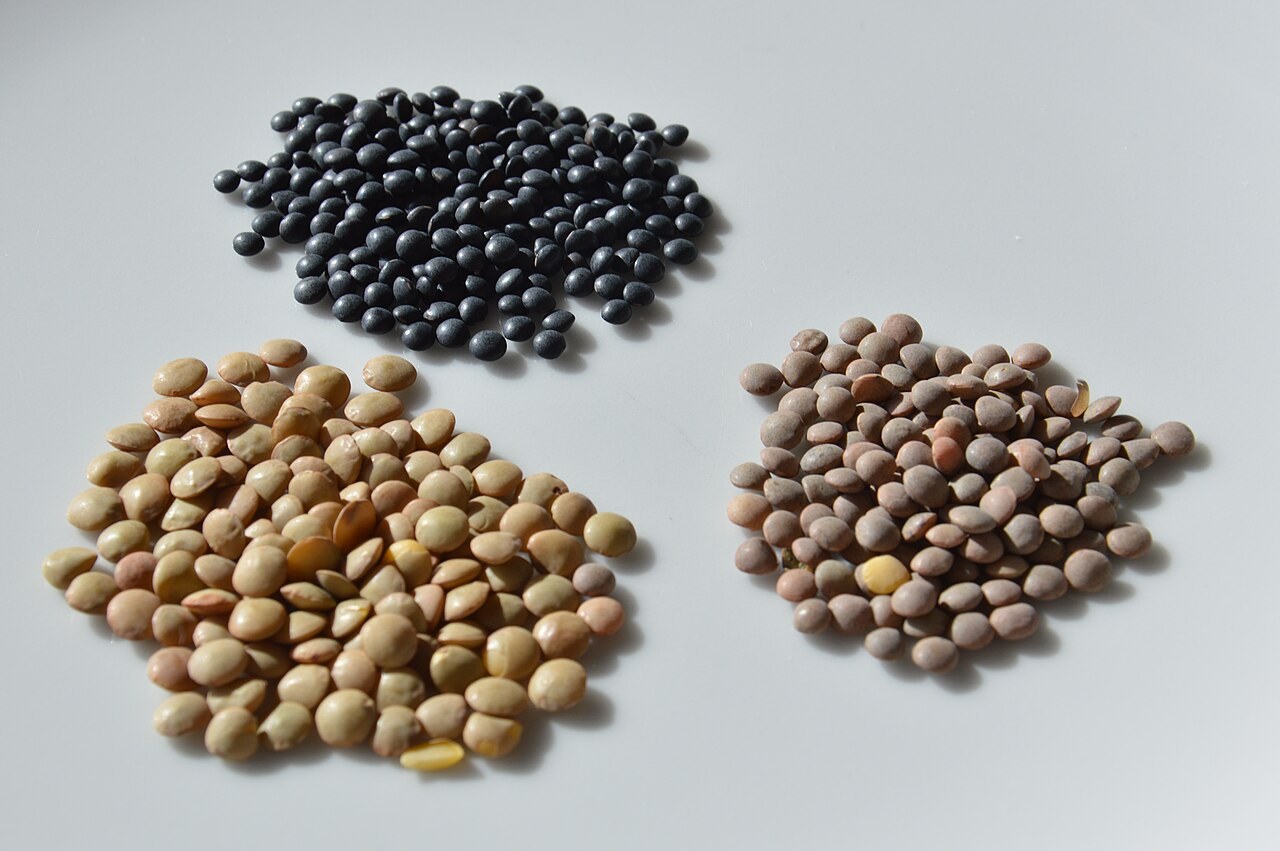
A packet of red lentils and a packet of green lentils are not simply two colours of the same kitchen ingredient. They often differ in whether their skins remain and how readily they break down during cooking. Start with the dish you want to make. A creamy curry needs a different texture from a salad that will later be tossed with dressing.
Understand red and yellow lentils
Many red and yellow lentils are sold hulled and split. They cook relatively quickly and break down readily, making them useful for creamy soups, dal and sauces. Their bright raw colour may not remain after cooking. They are therefore usually not the first choice for a salad requiring distinct, firm lentils that remain separate when mixed.
Choose varieties that hold their shape
Green, brown and black lentils come in different sizes and qualities. Some hold their shape well during gentle cooking and suit salads or side dishes. Do not rely on colour alone: read the variety name and suggested timing on the packet. Small French green lentils behave differently from large brown lentils intended for more substantial stews.
Keep preparation straightforward
Pick through the dried lentils briefly and rinse them in a fine sieve. Most ordinary lentils do not require soaking, although packet instructions take priority. Choose a pan with space for water and rising foam. If the lentils cook directly in a soup, account for their absorption when deciding how much liquid the dish needs.
Simmer rather than boil fiercely
Bring lentils and sufficient water to a boil, then reduce to a gentle simmer. Vigorous boiling can damage the skins more readily. Start tasting before the end of the suggested time. Salad lentils should be cooked through while retaining their shape; a creamy soup can benefit from a much softer, more broken-down structure.
Add acidic ingredients thoughtfully
Tomatoes, vinegar and lemon juice can affect how quickly pulses soften. With an unfamiliar lentil variety, cook in water or a non-acidic base first and add strongly acidic ingredients later. This separates judging doneness from final seasoning. Older lentils or very hard water can also lead to longer cooking times than you initially expected.
Use the final texture appropriately
Drain salad lentils once cooked and let excess water run off before dressing. A soup can retain the cooking liquid and softened lentils together. If a curry becomes too thick, add hot water gradually. Judge its consistency again just before serving, because lentils continue taking up liquid while standing.
Kitchen questions
One more question?
Can green lentils replace red lentils?
Not without adjustment. Their cooking times and textures differ. A creamy dish made with green lentils needs a different method or a different expectation of the result.
Are canned lentils already cooked?
Check the label. Ordinary ready-to-eat canned lentils are used differently from dry lentils; drained weight and seasoning matter when substituting.
Why are my lentils still firm?
Check the variety, actual cooking time and acidic ingredients. Continue simmering gently, adding water as needed rather than increasing heat with too little liquid.



.jpg)
