Kitchen know-how
German flour types 405 and 550: choosing flour for your dough
The type number is only part of the story when choosing flour for cakes, bread and pale doughs.
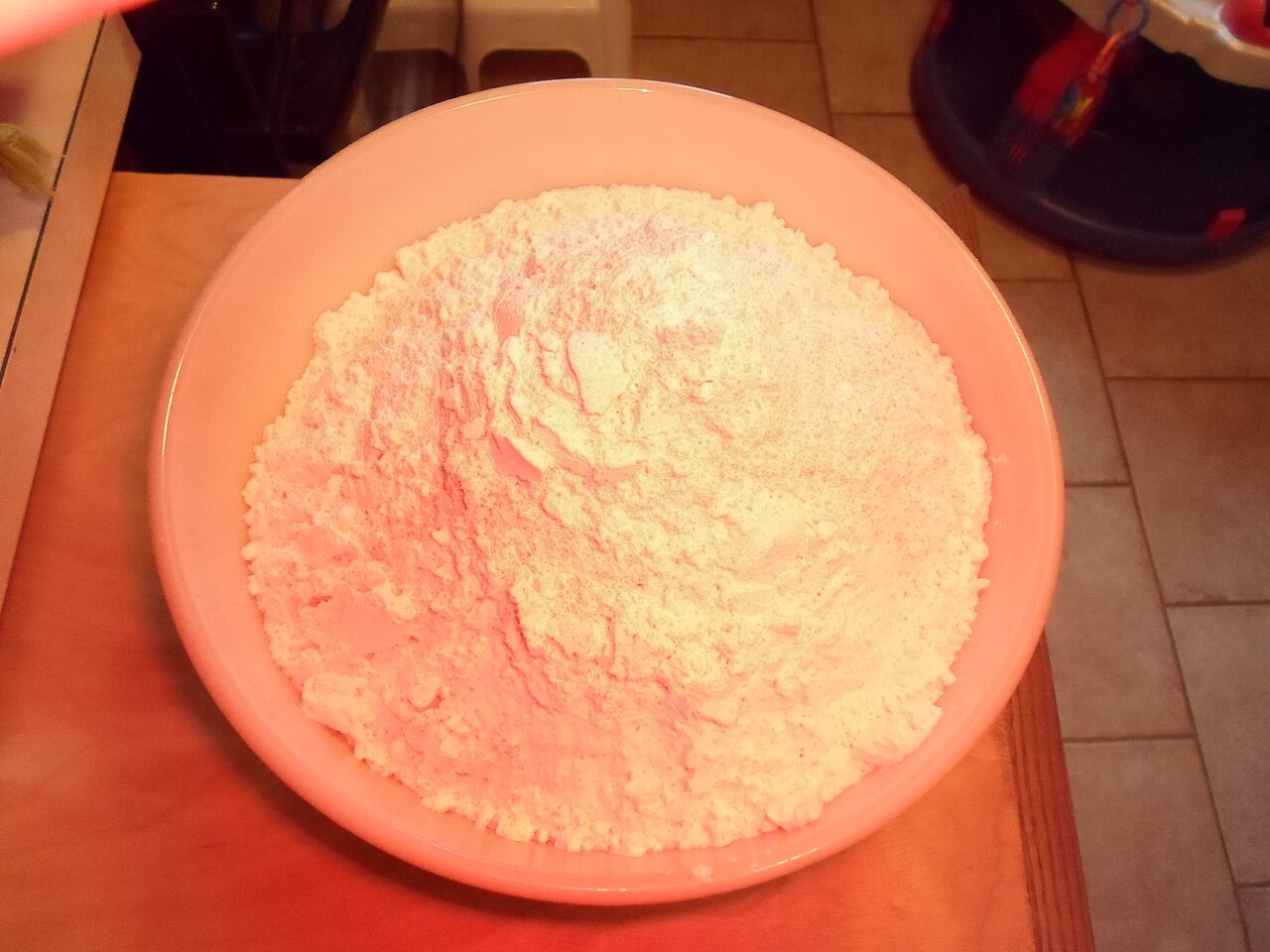
Two bags of flour can look almost identical yet behave differently in dough. Start with three questions: which grain is it made from, what are you making, and which flour does the recipe specify? That order is more useful than treating every type number as a rigid baking rule. Even flours carrying the same German type number can vary with the mill and the grain harvest.
What the number actually describes
The German type number refers to the mineral content of flour. It does not describe particle size or directly measure gluten. A pale Type 405 wheat flour contains fewer mineral-rich outer grain components than Type 1050 wheat flour. Wholemeal is labelled differently: it includes the essential parts of the whole grain and does not use a corresponding type number.
Type 405 for tender baking
Type 405 wheat flour is a useful starting point for many creamed cakes, shortcrust pastries, biscuits and pale sauces. The mixing method matters as well as the flour. Once flour goes into a cake batter, mix only until the dry pockets disappear. Prolonged beating at that stage can produce a firmer texture than you wanted.
Type 550 for pale yeast doughs
Type 550 is commonly used for pale breads, rolls and yeast doughs. For a first attempt, a recipe specifying that flour is more useful than a universal conversion rule. With an unfamiliar flour, resist adding large amounts of extra flour simply because the dough feels sticky. A short rest often makes it noticeably easier to handle.
Making a considered substitution
For simple recipes you can often try the same weight when swapping between Types 405 and 550. In bread dough, hold back a little of the liquid at first and add it as needed. Switching completely to wholemeal is a bigger change because bran, water absorption and dough structure all differ. Begin with a small replacement and record the result.
Understanding English flour labels
Plain flour and all-purpose flour are not exact translations of a German type. Bread flour may have substantially different baking properties. With an international recipe, check the intended use and, where relevant, the protein information on the packet. Self-raising flour already contains raising agents and cannot replace ordinary flour without changes elsewhere in the ingredient list.
Weighing flour consistently
A kitchen scale avoids differences caused by loosely or tightly filled measuring cups. Put the bowl on the scale, zero it and add flour gradually. Close the packet properly after baking and keep it dry. When trying a new recipe, note the type of flour you used so you can understand any changes on your next attempt.
Kitchen questions
One more question?
Can I mix Types 405 and 550?
For many simple doughs, yes. Weigh the two portions separately and keep the total flour weight specified in the recipe. The outcome depends on the dough.
Is Type 630 spelt the same as Type 550 wheat?
No. They come from different grains. Spelt dough can handle kneading and water differently, so a recipe designed for spelt is an easier starting point.
Do I need self-raising flour?
Only if it is explicitly requested. Recipes here normally list flour and baking powder separately; check the ingredient list before shopping.
.jpg)

