Kitchen know-how
Using pasta water for a sauce that coats the noodles
Starchy cooking water can help a sauce come together when added in controlled amounts.
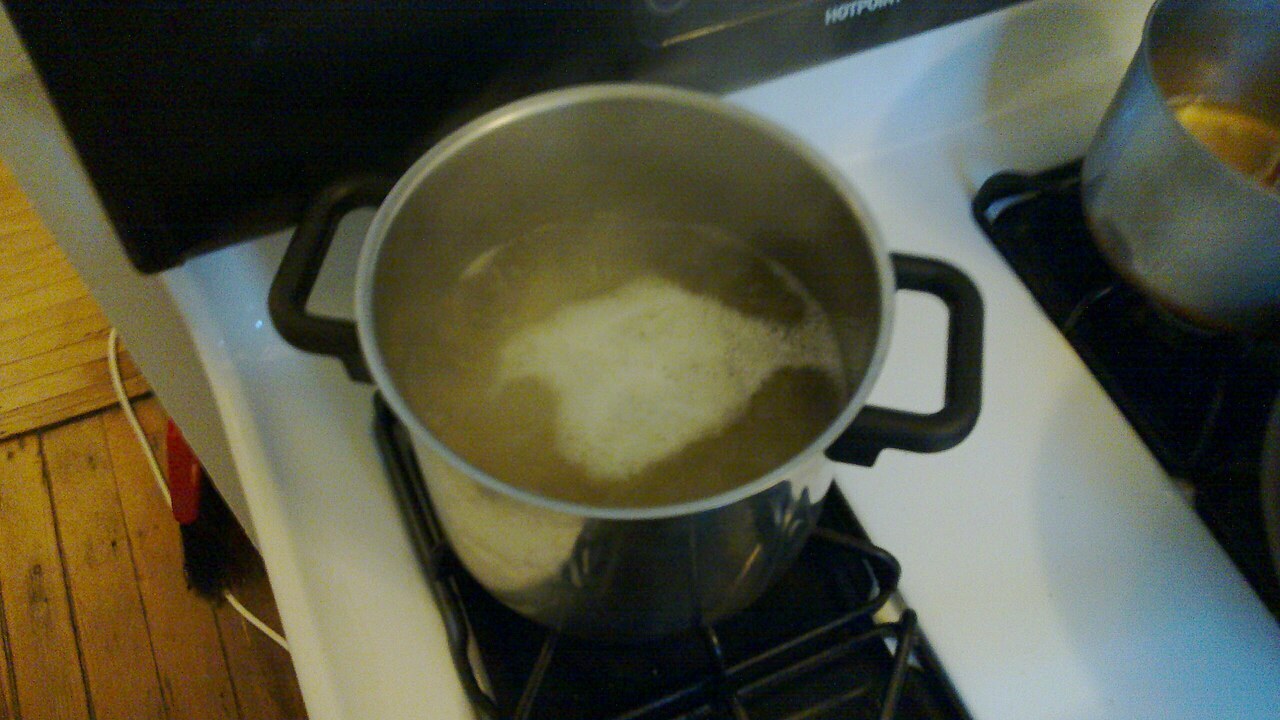
A sauce can look good in its pan yet slide off the pasta on the plate. Often the missing stage is a brief finish together in a wide pan. A little cooking water helps by supplying both liquid and released starch. It is no miracle ingredient and cannot replace suitable ingredients or mixing, but careful additions can make the pasta and sauce come together more easily.
Get the sauce ready in time
Start the sauce before the pasta is done. A tomato sauce can simmer gently while the water heats. Have a wide pan ready with room for the noodles as well. Pasta left waiting in a colander tends to stick together and becomes harder to coat evenly. Plan the two parts of the dish so they meet while both are ready.
Choose water and salt thoughtfully
Use enough water for the pasta to move freely without filling the pot to its rim. Season in relation to the sauce: bacon, cheese and seasoned stock supply additional salt. Cooking water becomes part of the finished dish when you add it later. Excessively salty water is difficult to correct in an already concentrated sauce.
Reserve a cup before draining
Towards the end of cooking, scoop some water into a heatproof container. The pasta has released starch by this stage. Place the container away from the counter edge. You need not use it all, but reserving some prevents the awkward moment when the sauce looks dry and the useful water has already gone down the drain.
Finish the pasta in its sauce
Transfer pasta to the warm sauce shortly before it reaches your preferred firmness. Add a small splash of reserved water, then toss or stir thoroughly. Add further portions as necessary. Aim for coated noodles without a watery pool underneath. Pasta continues taking up liquid, so check both texture and consistency again after this shared finishing stage.
Protect cheese and delicate sauces
A cheese sauce can clump or release fat if overheated. Reduce the heat or briefly remove the pan before adding finely grated cheese. Work with small liquid additions and thorough mixing. Egg-based sauces need their own carefully balanced method; pouring boiling water straight over eggs is not a general solution for making a smooth sauce.
Think about the plated result
Serve promptly. A sauce that looks slightly loose in the pan can thicken substantially while standing. If it is very thin, cook pasta and sauce together a little longer before adding arbitrary quantities of cheese or flour. If you forgot to reserve water, a little plain hot water is a practical substitute, even though it lacks the same starch content.
Kitchen questions
One more question?
Should I rinse cooked pasta?
Usually not for hot pasta with sauce, because rinsing removes surface starch. A particular cold pasta salad may use a different method.
How much cooking water do I need?
Start with a few tablespoons and judge the consistency. A fixed cupful does not suit every sauce or portion of pasta.
Does oil in the water help?
It does not replace timely stirring or finishing pasta in the sauce. This technique does not require oil in the cooking water.

.jpg)
